Podcast4

Liberté Égalité Sobriété (FR)

By Podcast

This resource is in French.

How could we reduce global energy consumption? This is a question the Green European Foundation decided has been exploring since 2021, and one that is now among a War in Europe and a global energy crisis becomes more important than ever.


About the Podcast

Today, gas prices are skyrocketing, and so are the debates about how to end the energy crisis. Many European governments are putting in place packages to help househols face soaring energy bill for which there are two main approaches. The first one proposes financial and fiscal measures: lowering VAT; bonuses allocation; taxing excess profits; energy price caps etc.

The second approach, and the one this podcast is more focused on, is focused on energy saving. This approach involves campaigns promoting energy sobriety, lowering temperatures in public buildings, designing shortage emergency plans, and so on.

This podcast proposes taking a step back from current events and invites the audience to reflect on how to manage and optimise limited resources.

Luc Semal and Mathilde Szuba discuss a potential sobriety policy envisioned socially (by limiting inequalities) and ecologically (by limiting the impact of human activities on the biosphere). Mathilde Szuba also draws on concrete examples of fair rationing policies in France during the First World War, and in the Netherlands and England during the 1973 oil crisis.


About the speakers

  • Luc Semal teaches at Sciences Po Lille and Sciences Po Paris. He is a lecturer at the Muséum national d’histoire naturelle, Centre d’écologie et des sciences de la conservation. Associate researcher at the Ceraps (University of Lille 2). From 2010 to 2013 he was co-leader with Bruno Villalba of the research program “Sobriétés”.
  • Mathilde Szuba is a lecturer at Sciences Po Lille. She collaborates at the Momentum Institute on the political and social implications of peak oil and the crossing of environmental irreversibility thresholds, notably through the study of individual carbon quotas (“carbon cards”). She is a member of the editorial board of Entropia and DDT. She has also published on rationing policies in Europe in the collection “sobriété” coordinated by Luc Semal.
 

Sustainable Mobility For All (ES)

By Podcast

This resource is in Spanish.

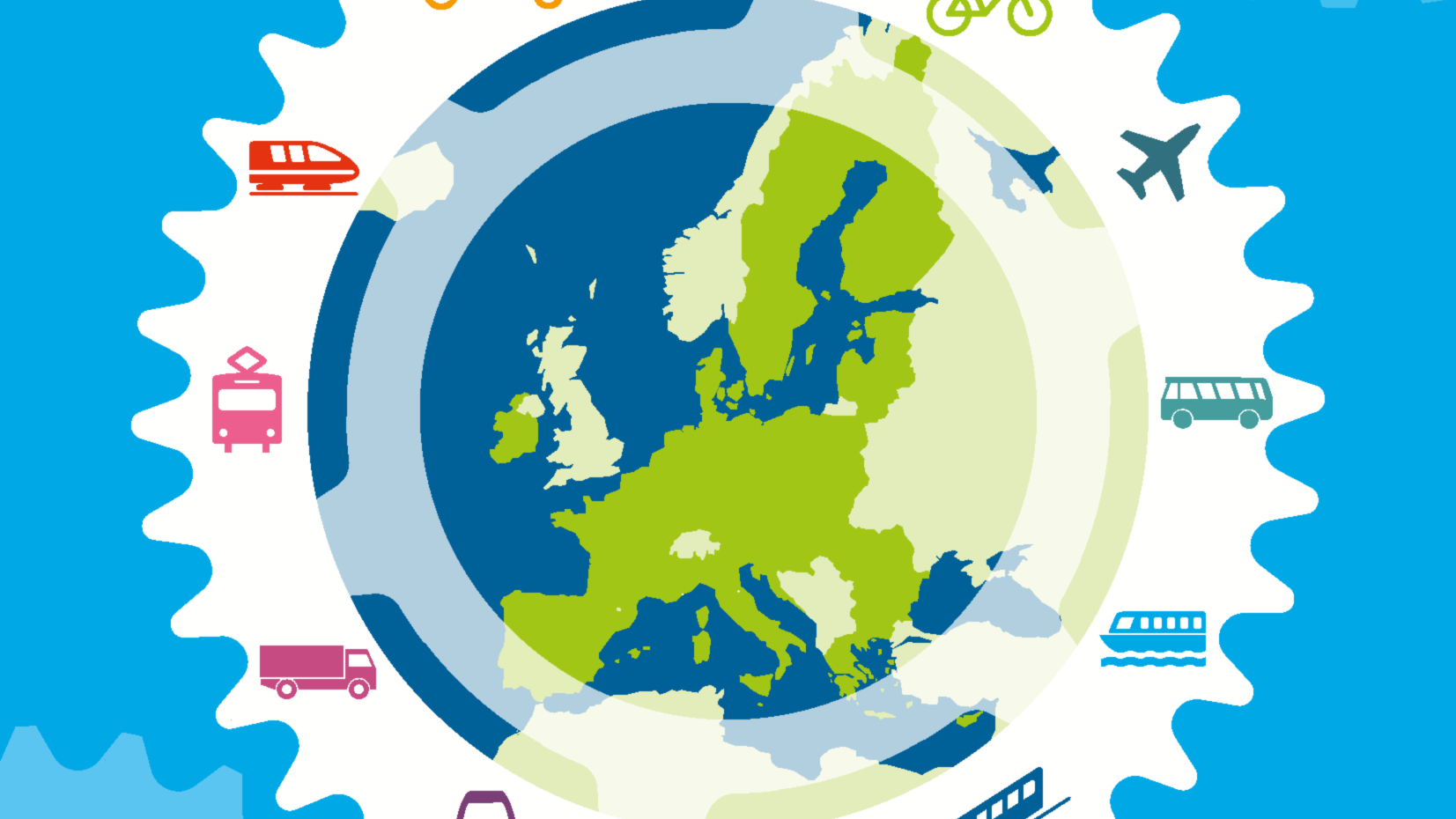
How can we ensure that no one gets left behind in Europe’s push for greener, more sustainable mobility? In Spain, people living in rural areas or small towns often have to leave their hometowns to earn a living in a capital city. Why should thousands of people be forced to emigrate from these natural environments? This podcast explores some of the big questions around mobility poverty and the importance of addressing this as part of a green transition.

Context

Mobility poverty in cities is becoming an increasingly acute issue: living near one’s workplace implies paying an expensive rent, but living far away from it entails the need to commute daily. Long and overbearing commutes can have adverse effects on work-life balance. Workers who can afford a car are obliged to either rent a parking spot or spend 35% of their driving time trying to park it. Then again, not everyone has the means to rent a private parking space, let alone to buy a car. Not to mention, the harmful impact of private car dependency on cities in terms of air pollutiongreenhouse gas emission, infrastructure to support them etc. 

Environmental sustainability, mobility poverty, and our right to transport must work hand in hand with the goal of making people’s lives easier and more connected. The ship is about to sail, but social and political will can still speed up and catch it on time.


Sustainable Mobility for All

EcoPolítica


This podcast has been realised with the support of Ecopolítica, and the financial support of the European Parliament to the Green European Foundation. The European Parliament is not responsible for the content of this publication.


The Future Of Eastern Europe and Ecodemocracy

By Podcast

Context

The Future of Eastern Europe and Ecodemocracy is a four-part podcast series exploring key issues affecting Eastern Europe from a Green perspective, such as War, Peace, Energy and Green Youth and Activism. The podcast features interviews with the delegates that attended the Future of Eastern Europe Conference, held in Riga in June 2022, as well as other activists and Green actors.

Episode I

To begin the series, we invited four activists from different parts of Eastern Europe to discuss the war in Ukraine and the history, geopolitics, and current situation in some post-soviet countries. We also discussed the role of NATO in this context and the notion of peace and security.

Episode II

The second episode of the podcast focuses on energy and its role in participatory energy transitions. As part of this narrative, our guests discuss modern societies’ reliance on fossil fuels and geopolitical ramifications and the possibilities for a sustainable just and democratic transition.

Episode III

Focusing on the relationship between ecology and democracy, the third episode of the Podcast on the Future Of Eastern Europe and Ecodemocracy explores how we could make our governance systems more ecological, sustainable and inclusive.


This podcast has been realised with the support of the Green Greek Institute, and the financial support of the European Parliament to the Green European Foundation. The European Parliament is not responsible for the content of this publication.

A Just Transition in Agriculture

By Podcast

About

Welcome to the four-part podcast we have prepared as part of the Just Transition project. In this story, we travel in a circle of infinite beginnings. We learn about a continuous regenerative system of agriculture that we forgot about after World War II, but one that we can return to, and we should if we are to break free from the destructive effects of industrial farming. Join us in this hopeful story about why agriculture matters and how we can move forward to a sustainable agriculture system.


Episodes

This first episode features environmental expert and consultant Anne Chapman as she explains the ins and outs of industrialised farming and how and why this extractive and polluting system is so ecologically, economically and socially harmful.

In episode two, the conversation continues towards the unsustainable practices of large scale industrial farming, the global marketplace and the economic pressures faced by farmers. Examples include: Regenerative farming and Farming for Nature

On episode 3 we meet George Hosier, a farmer who has made a successful transition to regenerative farming practices. Listen to learn how he did it!

To end this series, we invite Bill and Cath Grayson to our podcast. They are the owners and operators of Morecambe Bay Conservation Grazing Company. In this story the cows are the heroes and we learn what it means to be caring stewards of the land.


This podcast has been realised with the support of Green House Think Tank, and the financial support of the European Parliament to the Green European Foundation. The European Parliament is not responsible for the content of this publication. Please note this podcast series is available to podcasters to re-podcast at no cost under a creative commons license.