Greenhouse2

The Greenhouse Training — March 2026: Technology and Democracy

By Greenhouse

About The Greenhouse: Training for Activists 

The Greenhouse Training is an intensive residential training for activists, thinkers, organisers, and anyone committed to shaping a vibrant, sustainable, and democratic Europe. Rooted in political ecology education, the training combines participatory methods, community-building, and expert-led workshops and debates.During the training, participants deepen their understanding of the roots and trajectories of the Green movement, explore pressing societal challenges through a European lens, strengthen core competences in areas like rhetoric and debating, and become part of the Greenhouse Community – giving them access to further opportunities for training, networking, and mentorship. 


Key Takeaways 

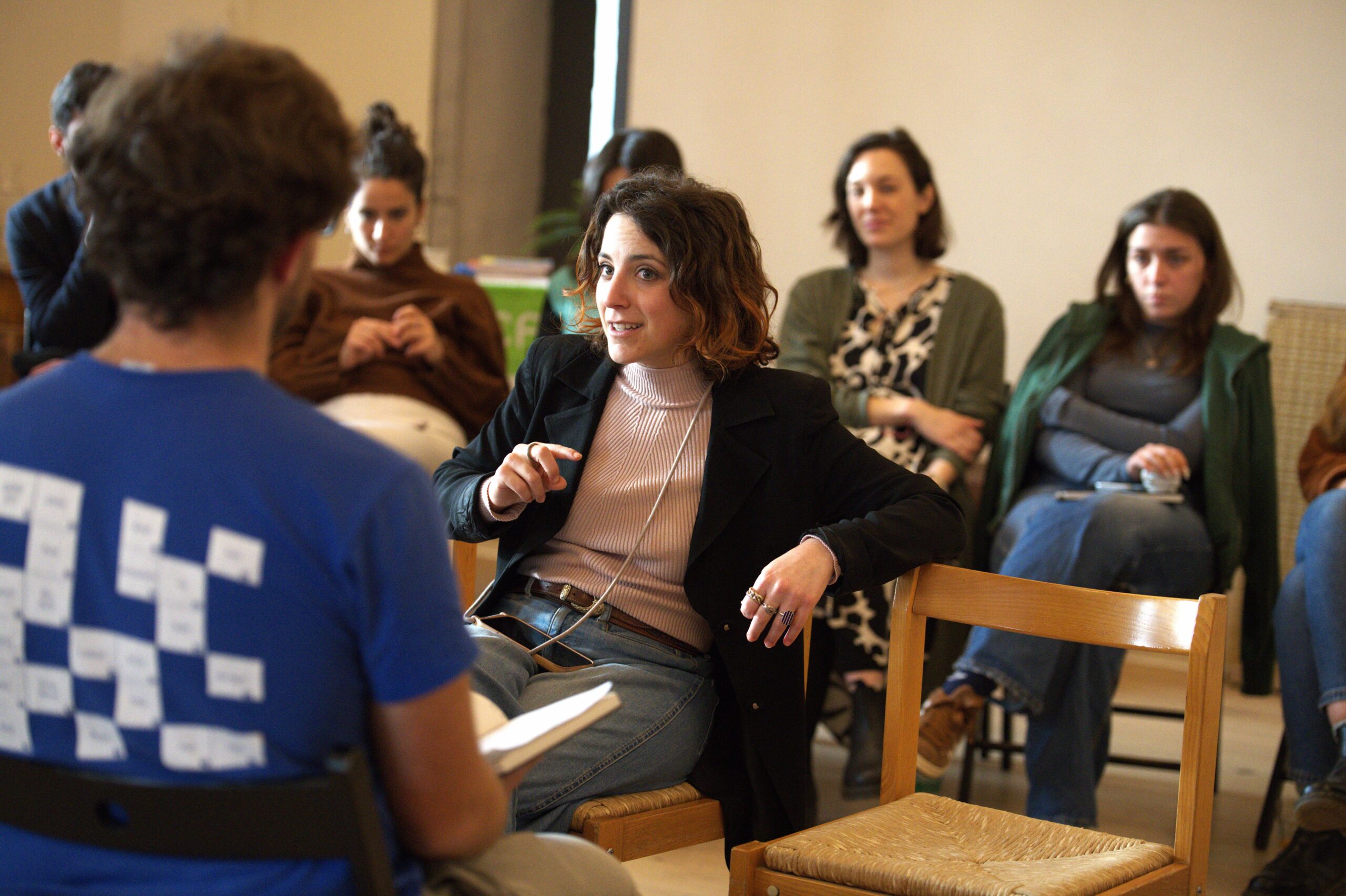
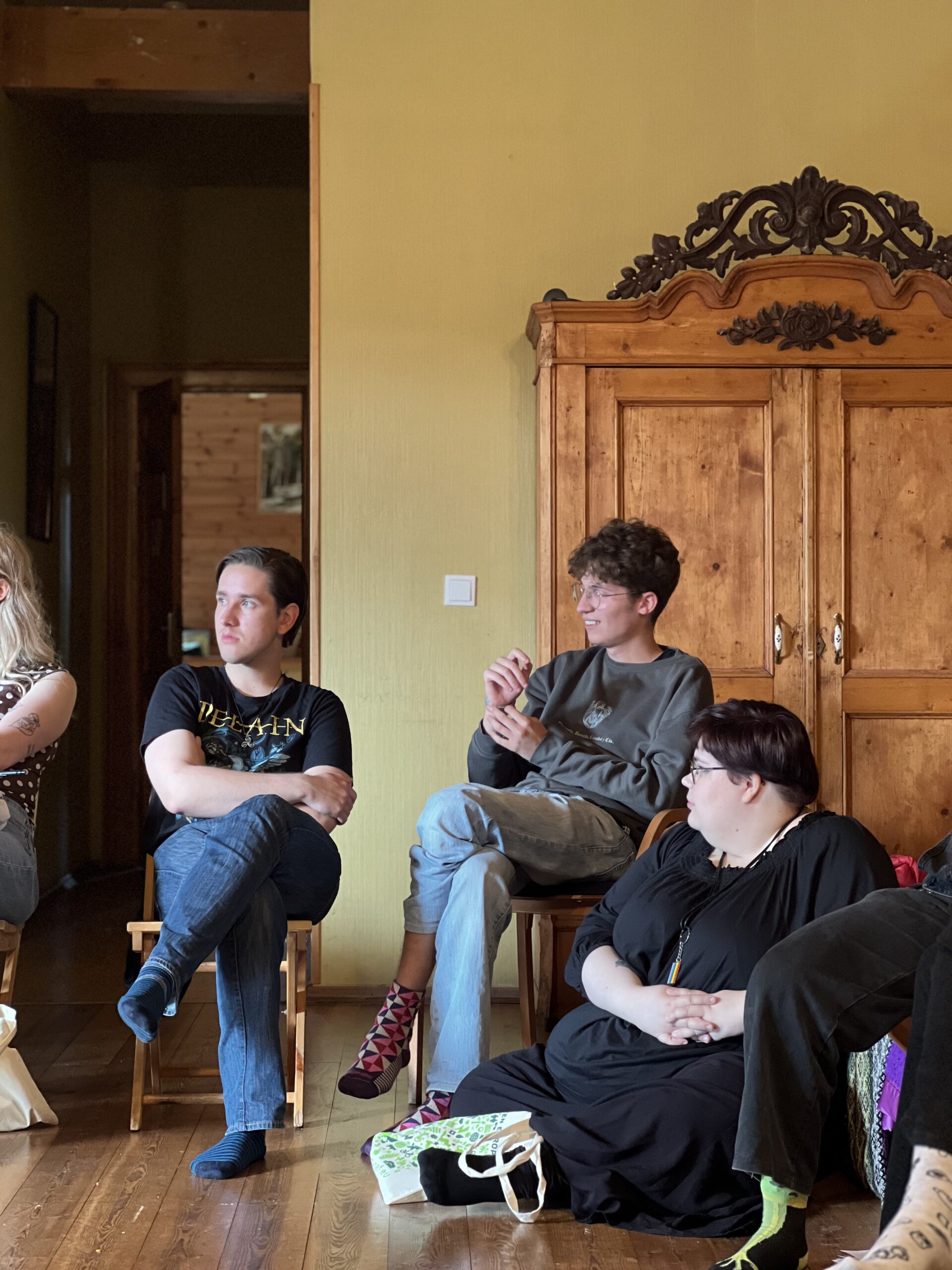
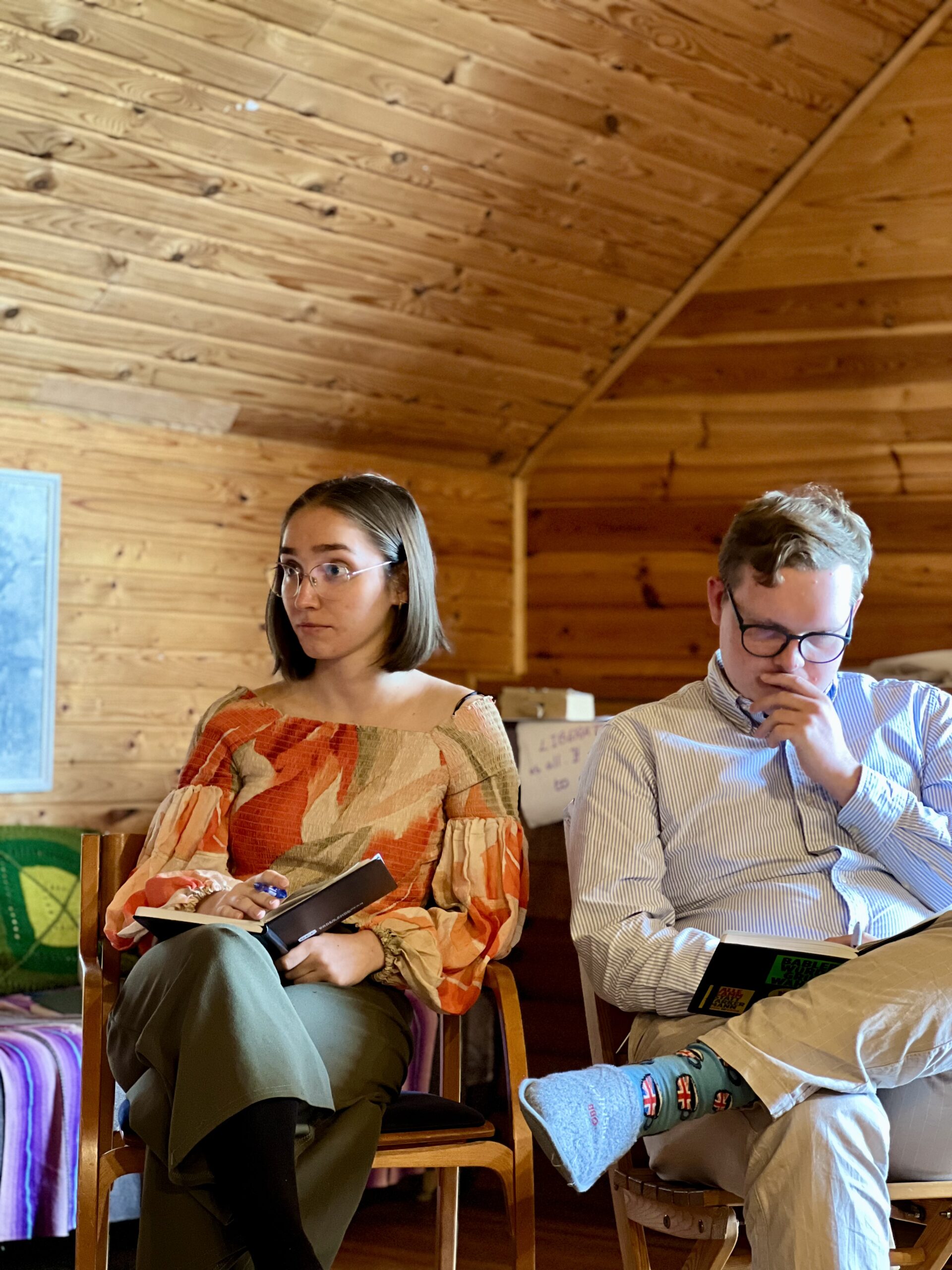
After a successful pilot edition in Latvia, the second edition of The Greenhouse: Training for Activists took place from 03 to 08 March 2026 in Reggello, Italy. The training gathered 28 participants from 19 countries between the ages of 18 and 32 – all leading change in their local communities. Creating space for exchange, connection, and debate, they were joined by a team of experienced trainers and educators, as well as leading voices from the European Green movement. 
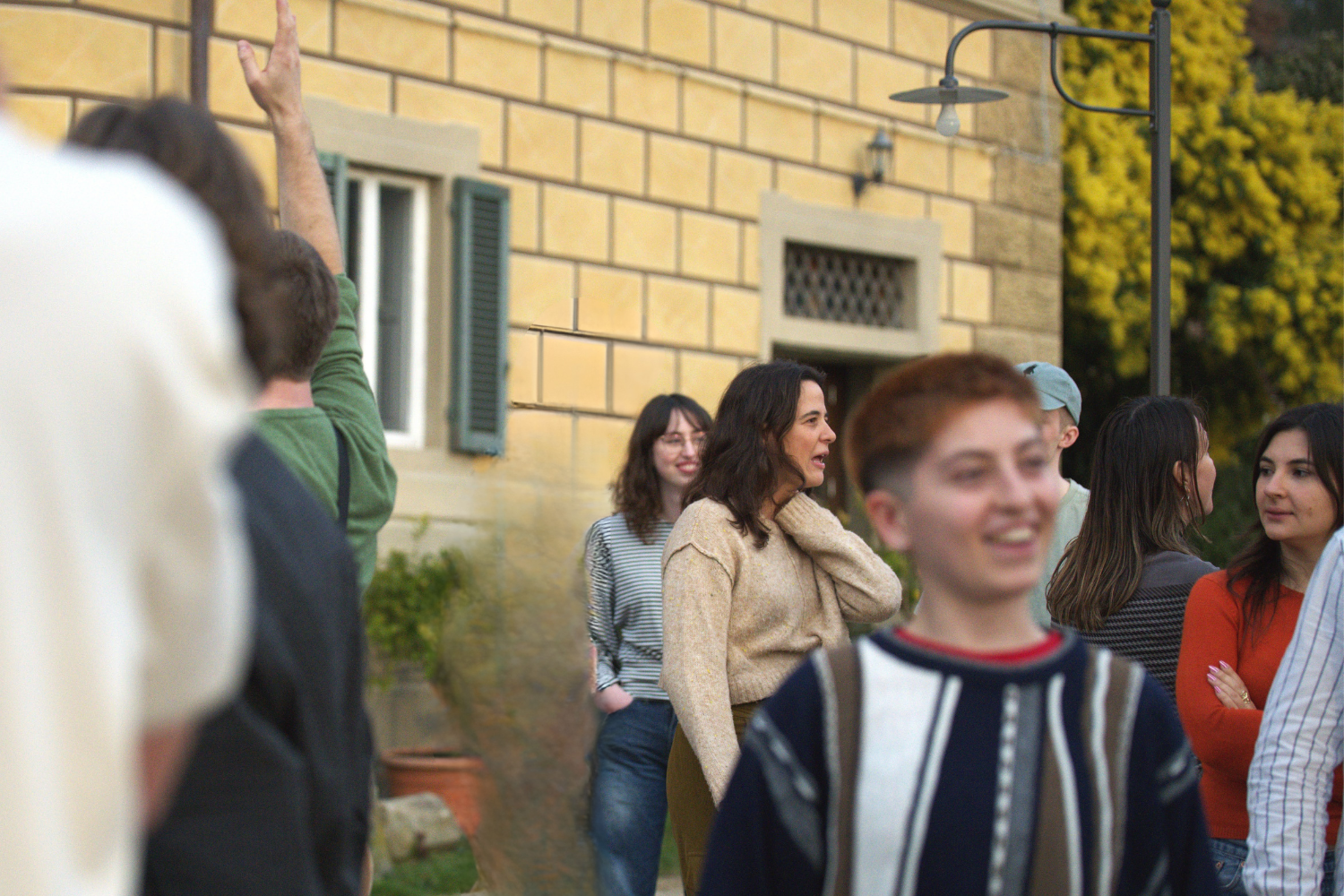
In the context of ongoing backlash against Green and progressive forces across Europe, participants delved into a carefully designed training trajectory across six thematic days: Arrival and Connection – Green History and Current Challenges – Local context and Field Trip – Europe and Green Strategy – Argumentation and Debate – Integration and Action Planning.  

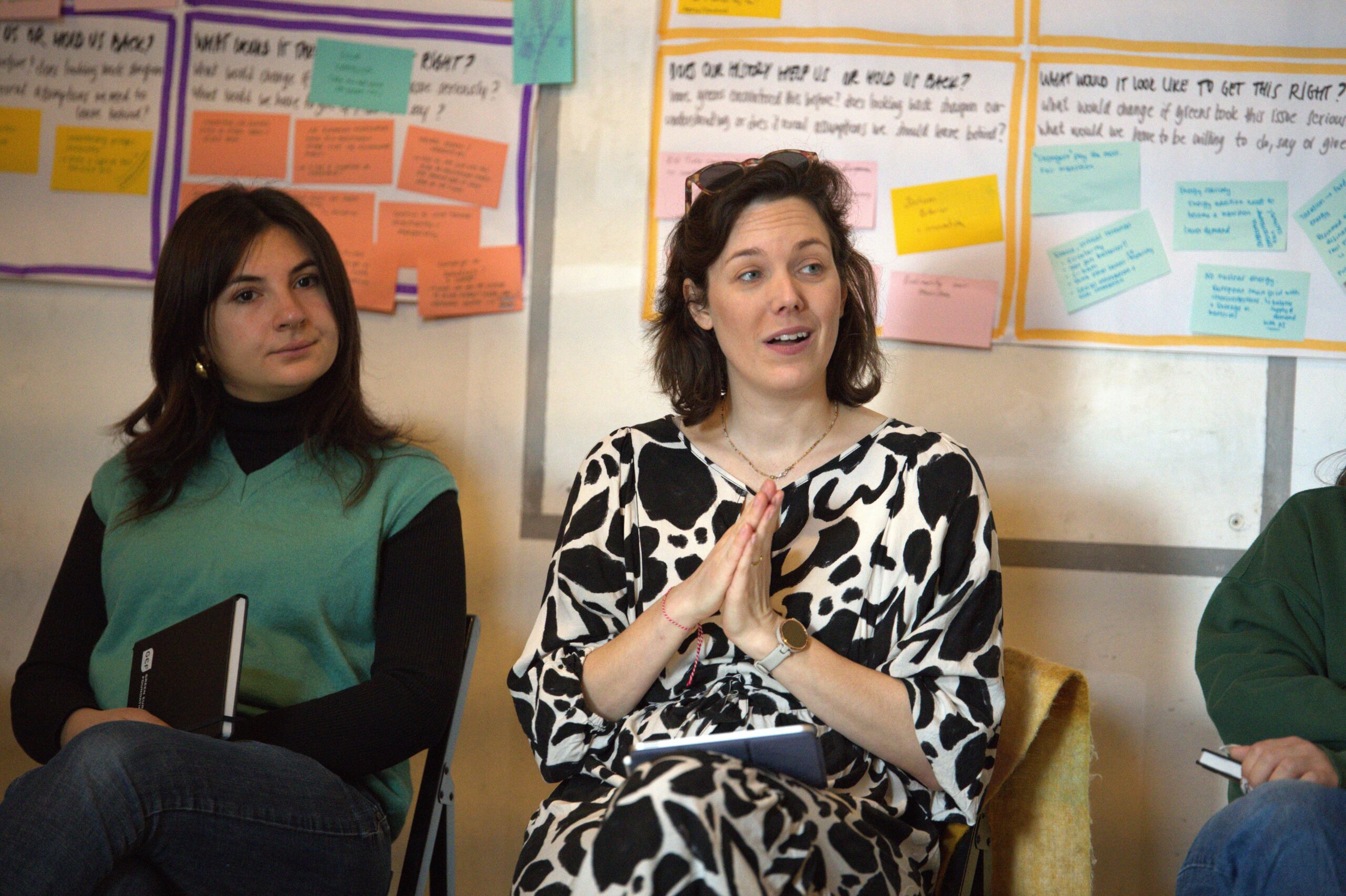
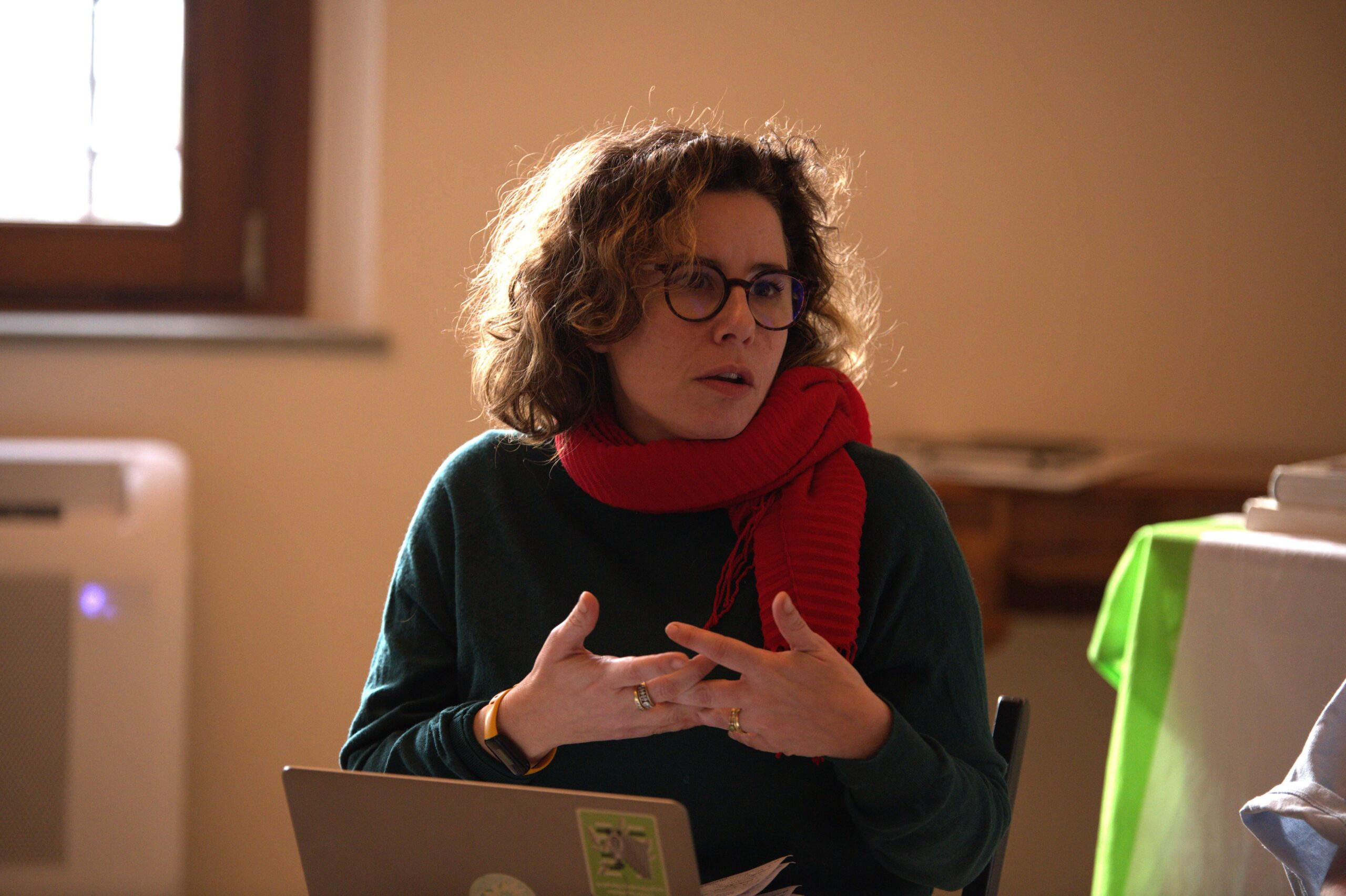
Framed by the timely theme, “Technology and Democracy”, participants explored the shared and diverging histories of European Green movements with historian and political scientist, Edouard Gaudot on day one. On day two, they delved into diverse topics, such as Big Tech and Oligarchy; Artificial Intelligence and the Future of Work; Social Media and Mental Health; and the Political Economy of the Green Transition. Connecting to local green and progressive struggles in Tuscany on day three, participants joined local Green activists on a field visit to the former GKN factory in Campi Bisenzio, engaging with representatives of the workers’ collective that occupies the factory since 2019, giving living testament to a democratic vision for industrial transition. On day four, participants delved into a full-day simulation, wrestling with the ins and outs of political strategy and negotiation at the European level with MEP Benedetta Scuderi and European Green Party Secretary General Benedetta De Marte. On day four, they refined their debating and political communication skills in a series of town hall-style debates on the local implications of tech policy. The training closed with dedicated spaces for reflection and planning next steps, before participants were inducted into the Greenhouse alumni community — connecting them to the wider European green movement through interventions by representatives from the Federation of Young European Greens (FYEG) and the Green Group in the European Parliament.
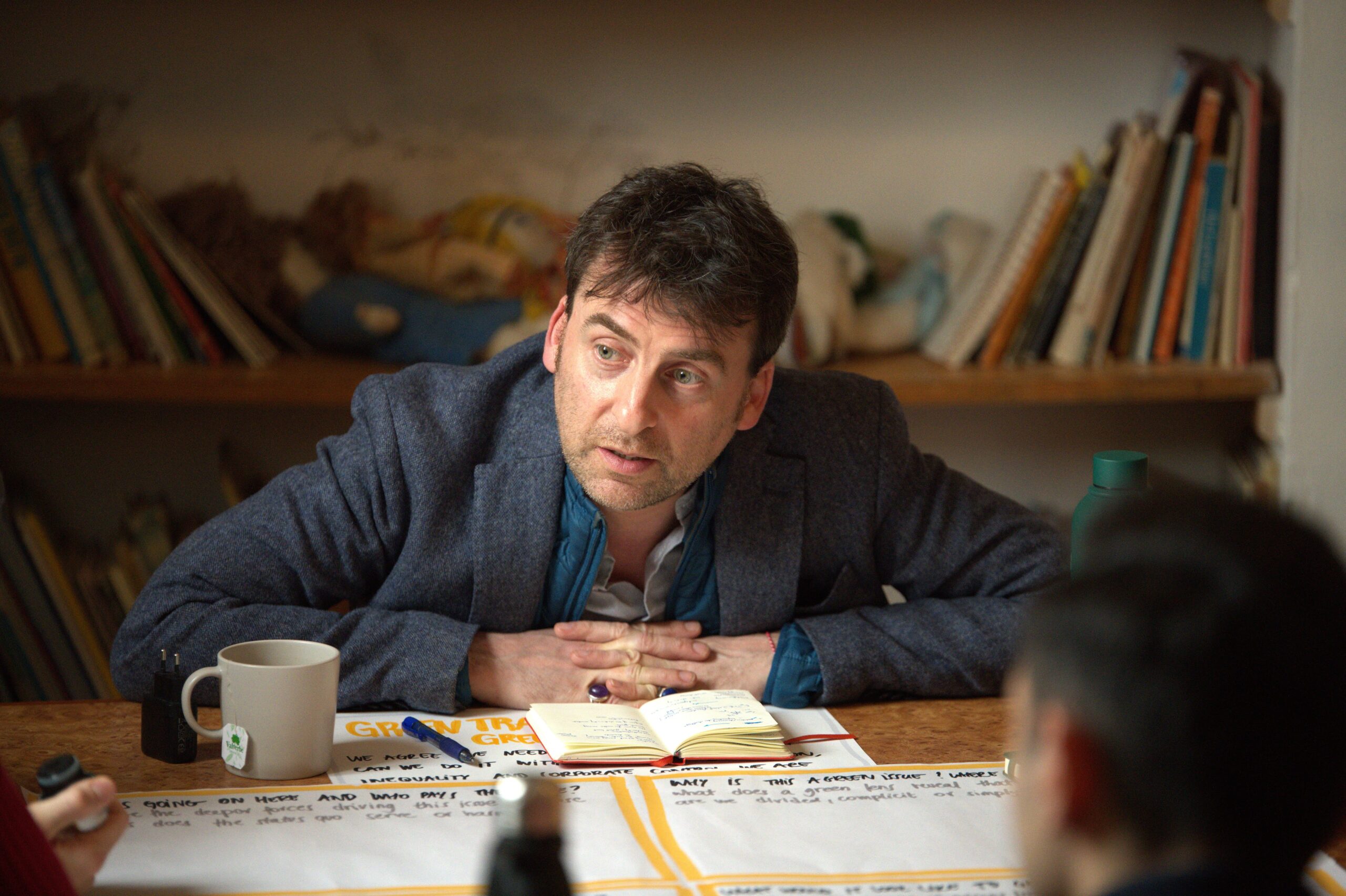
 

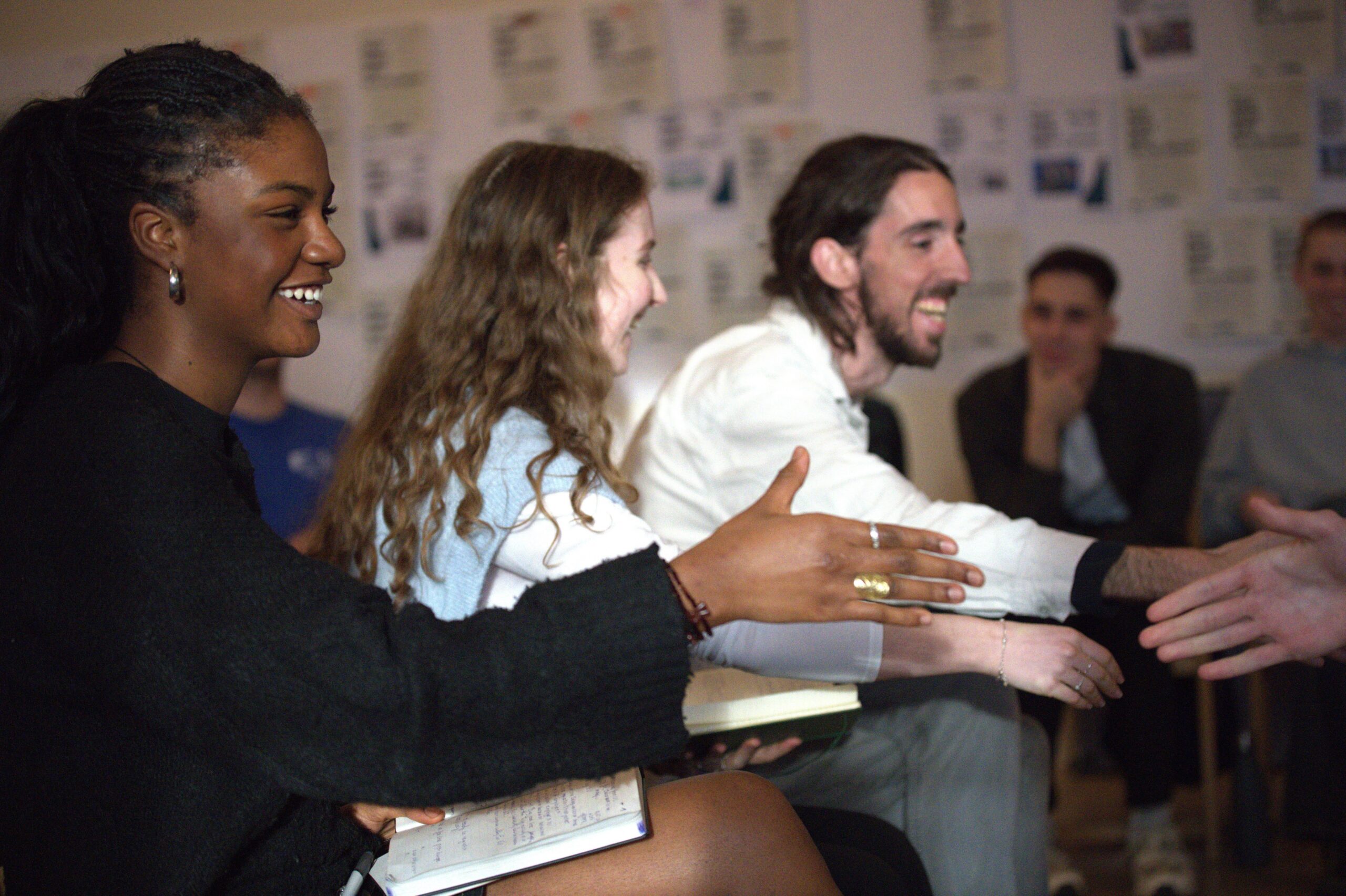
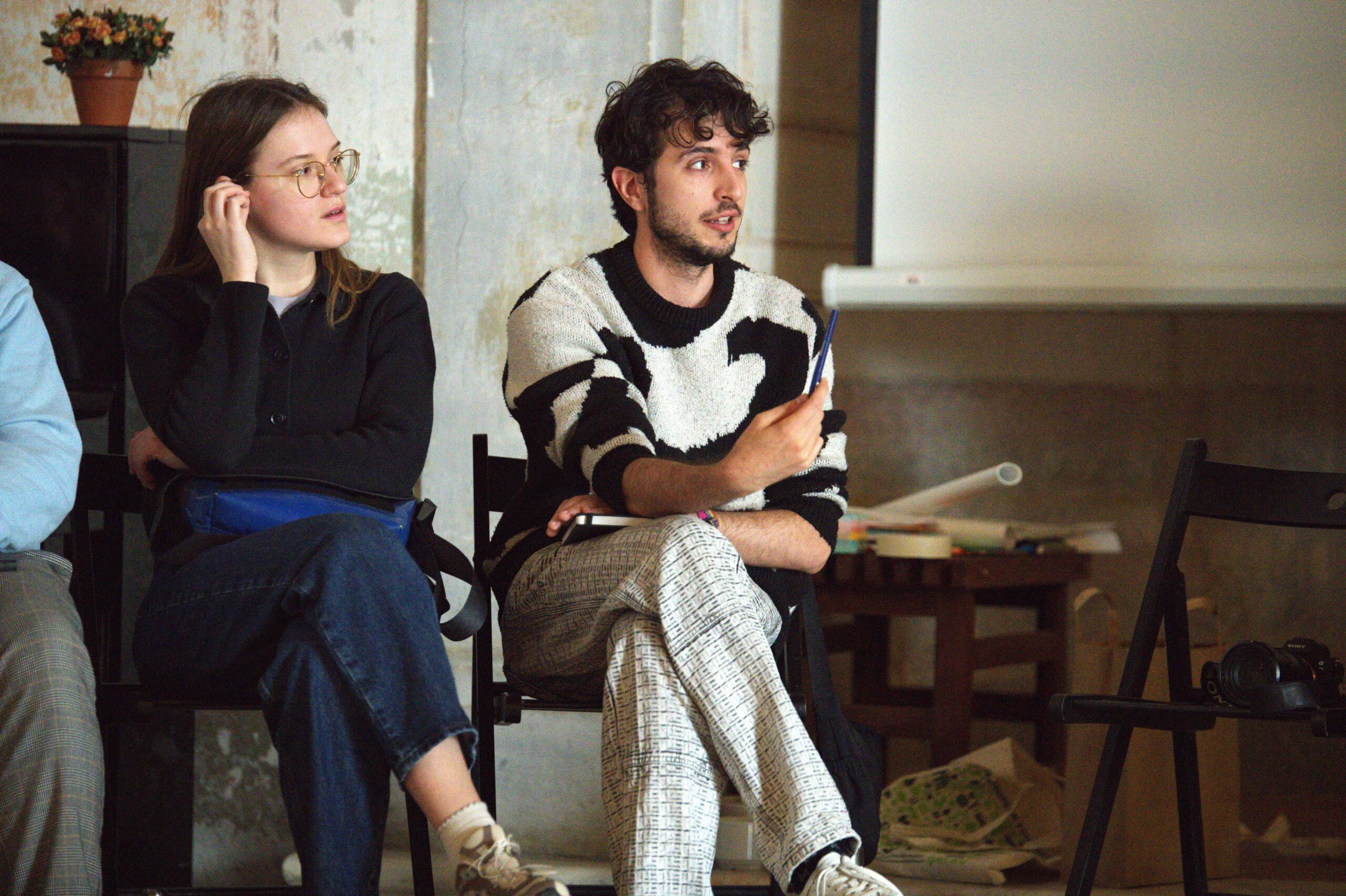
The Greenhouse’s success was driven, first and foremost, by the energy, curiosity, and commitment of its 28 participants. They embraced an intense and often challenging programme with openness and rigour: They debated freely, learned from one another, and brought the richness of their local contexts to every discussion. In doing so, they created a vibrant learning environment and forged lasting connections across borders. This spirit of open dialogue and collective commitment to learning embodies what The Greenhouse stands for: nurturing the foundations of collective action and fostering a new European cohort of activists, ready to shape a more sustainable, just, and democratic Europe.
The Greenhouse Training — August 2025: Taking Freedom Forward

By Greenhouse

About The Greenhouse: Training for Activists 

The Greenhouse Training is an intensive residential training for activists, thinkers, organisers, and anyone committed to shaping a vibrant, sustainable, and democratic Europe. Rooted in political ecology education, the training combines participatory methods, community-building, and expert-led workshops and debates.During the training, participants deepen their understanding of the roots and trajectories of the Green movement, explore pressing societal challenges through a European lens, strengthen core competences in areas like rhetoric and debating, and become part of the Greenhouse Community – giving them access to further opportunities for training, networking, and mentorship. 


Key Takeaways

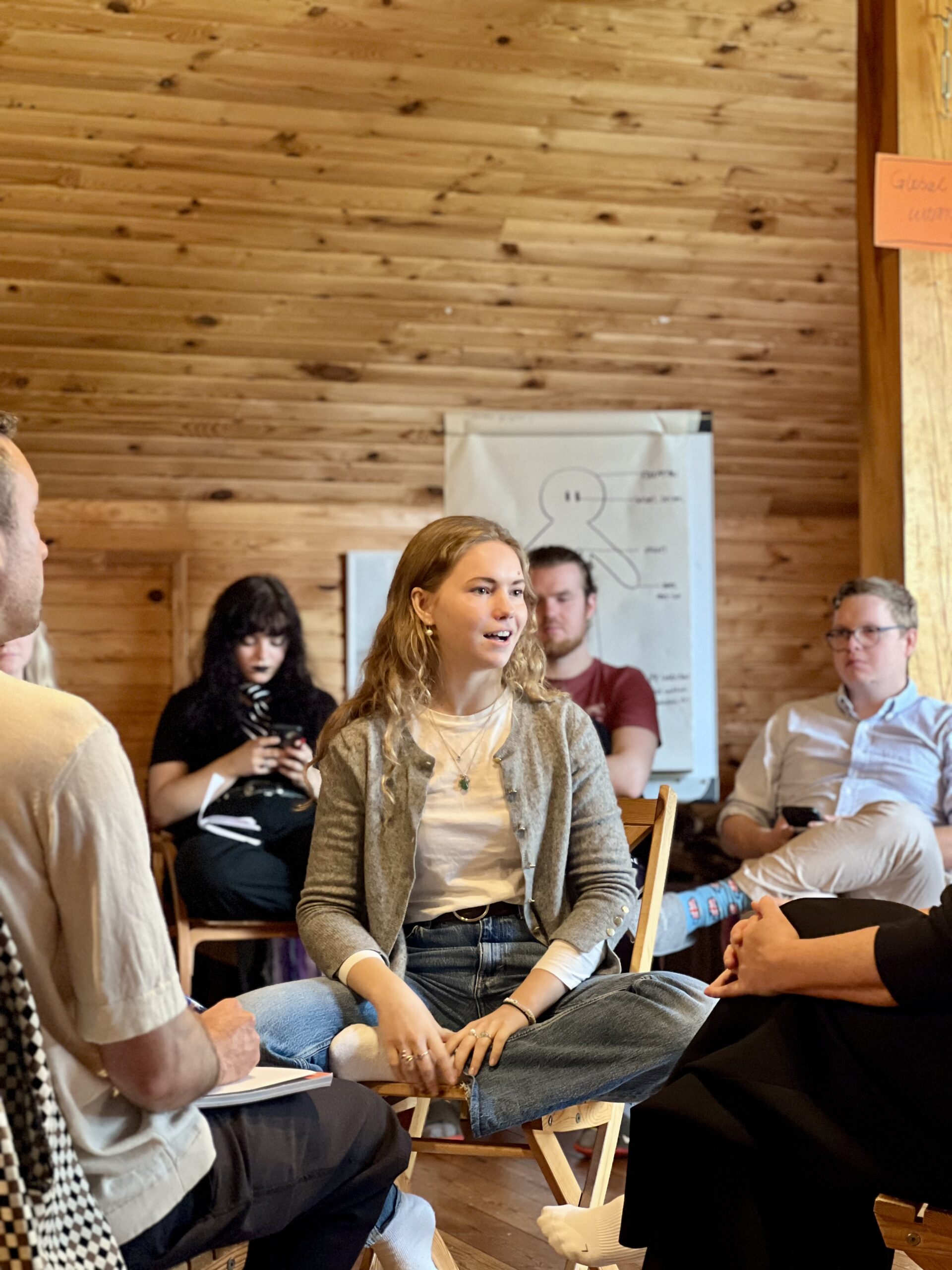
The first edition of The Greenhouse: Training for Activists took place from 23 to 27 August 2025 in Sigulda, Latvia. The training gathered 28 participants from across Europe, representing both EU and non-EU countries, between the ages of 18 and 30, representing the diversity of the European Green movement – local campaigners, academics, community organisers, youth leaders, and students active in European networks. Creating space for exchange, connection, and debate, they were joined by a team of experienced trainers and educators, as well as leading voices from the European Green movement for a week of intensive training on European political ecology.

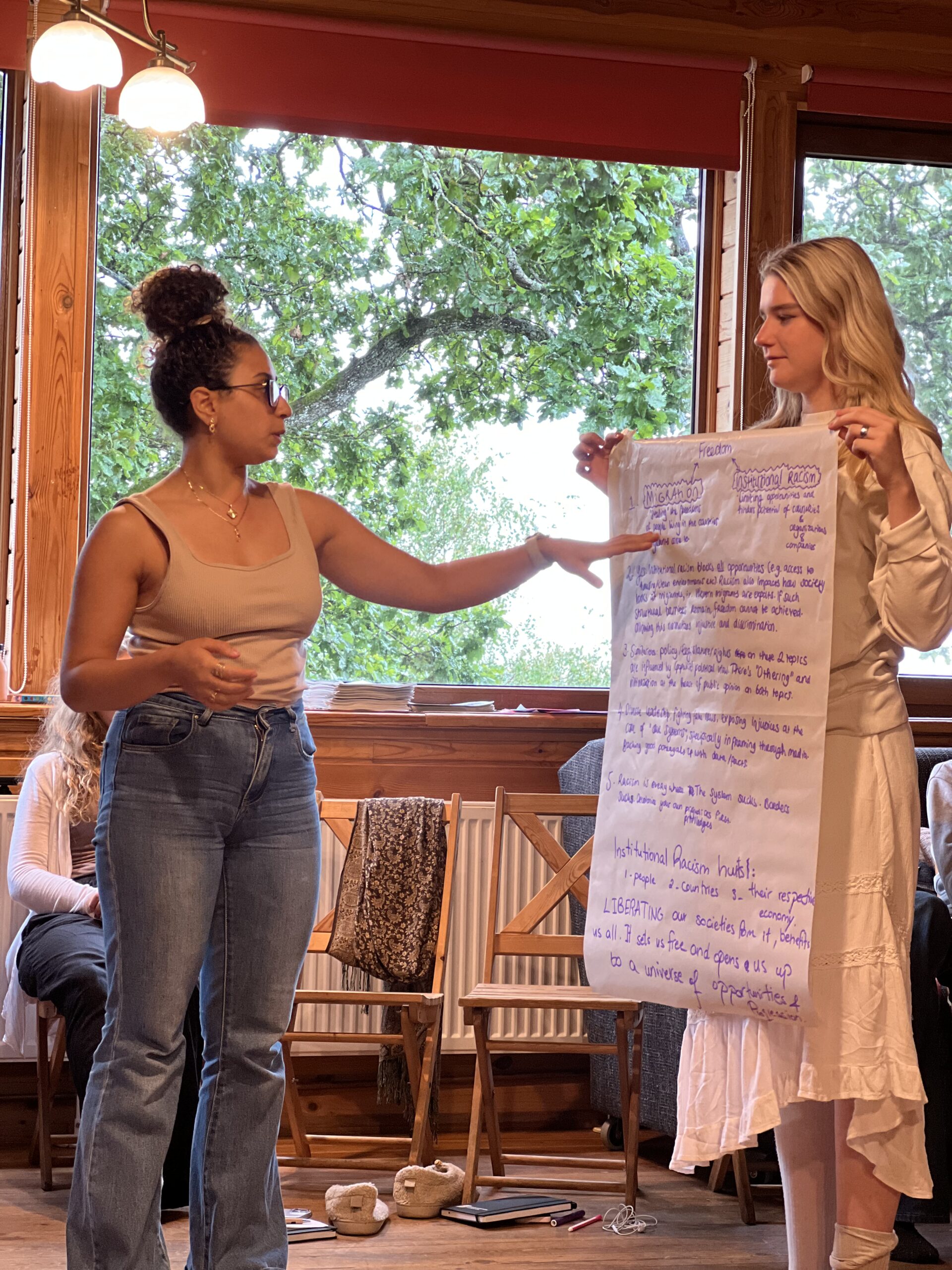
Under the guiding theme of Freedom, participants moved through five-day training trajectory building on key themes: What does Freedom mean to you? — Utopias of Freedom, and a Reality-Check — Framing Freedom — Green, European, Freedom: but for whom? — Taking Freedom Forward.

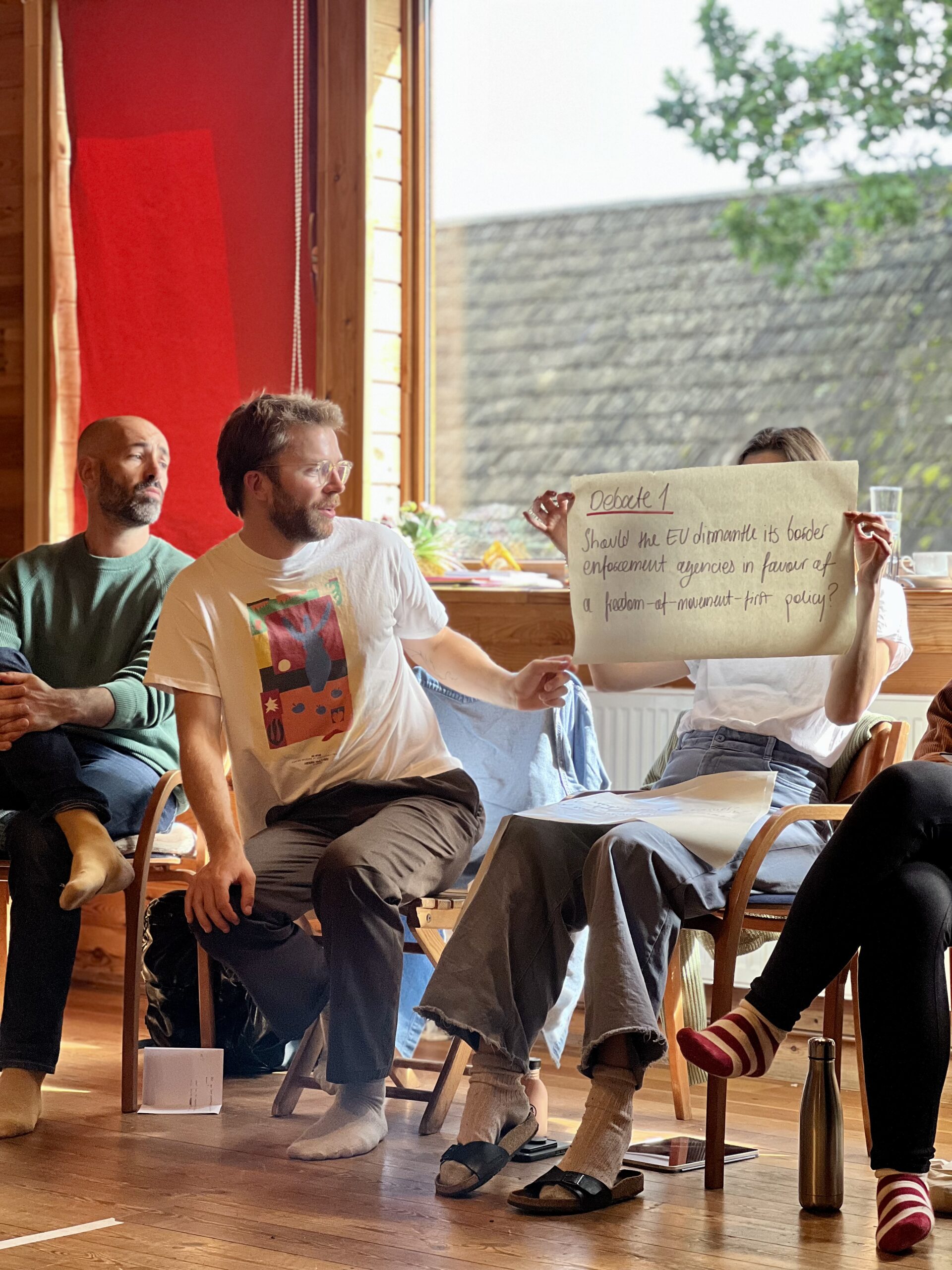
The training opened with a day of arrival and connection: a positioning game invited participants to locate themselves — geographically and politically — within the group, before an evening sharing circle grounded the theme of Freedom in participants’ own lived memories and stories. Day two moved from the personal to the collective, as participants sought to define what their collective visions of a free society entail, and what a Green freedom means to them, supported by input from GEF Director Laurent Standaert. A context-mapping poster session then connected these ideas to participants’ own national struggles, from democratic backsliding to housing crises and environmental exploitation, and the day closed with the first of two debate simulations, in which participants role-played Green and far-right politicians on themes as wide ranging as military spending and environmental policy.

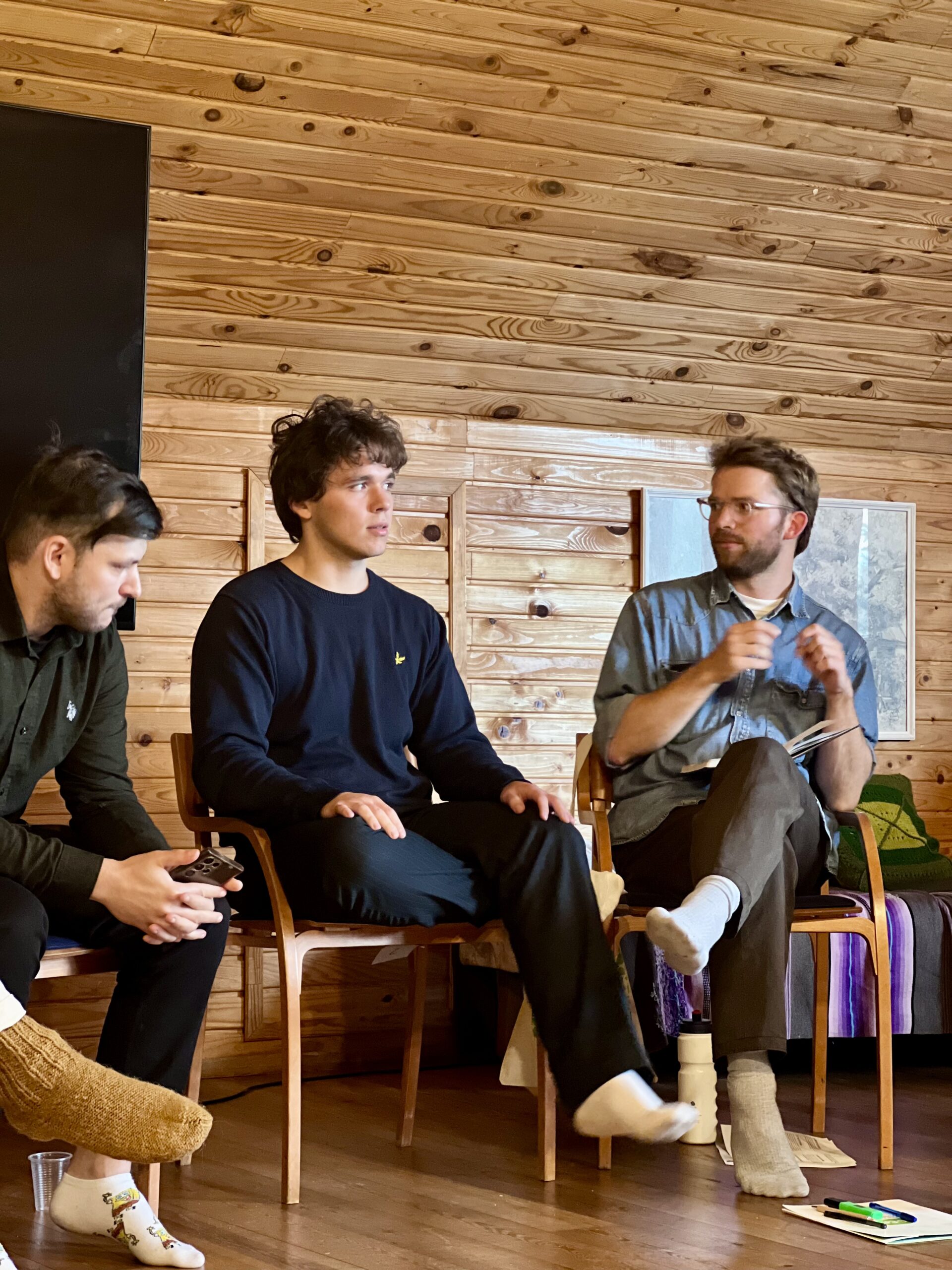
Day three turned to communication and framing, supported by Emmanuel Kujawski – Stakeholder Engagement Officer of the Greens/EFA group in the European Parliament. Visiting the “Museum of Framed Frames” and drawing on the work of Frank Luntz and George Lakoff, participants reworked Green campaign messaging to counter the “enemies of freedom” narrative that so often attaches to Green politics — and were joined in the evening by Latvian Progresīvie politicians Selma Levrence and Mārtiņš Eņģelis and Protests representative Ance Ulmane to discuss the state of progressive politics in Latvia. On day four, the lens widened to the European level: a persona exercise asked participants to imagine Europe through the eyes of people well beyond the “Green bubble”, before a fishbowl conversation with MEP Mārtiņš Stakis and European Green Party committee member Elīna Pinto explored what a Green European vision of freedom might mean in practice – followed by a second debate simulation on basic income, defence spending, and border control.

The training closed on day five with a book exchange and a series of reflection stations, prompting participants to translate the week’s learning into concrete next steps for their activism at local, national, and European level, before parting ways with an emotional round of goodbyes — and a last Latvian lunch for the road.

The Greenhouse’s success was driven, first and foremost, by the energy, curiosity, and commitment of its 28 participants. They embarked on an intense and often challenging programme and debated freely, learned from on another, and brought the richness and depth of their local context to every discussion. They created a vibrant learning environment and forged lasting relationships across borders. Their commitment embodies what The Greenhouse stands for: nurturing the foundations of collective action and fostering a new European cohort of activists ready to shape a more sustainable, just, and democratic Europe.