About The Greenhouse Alumni Training
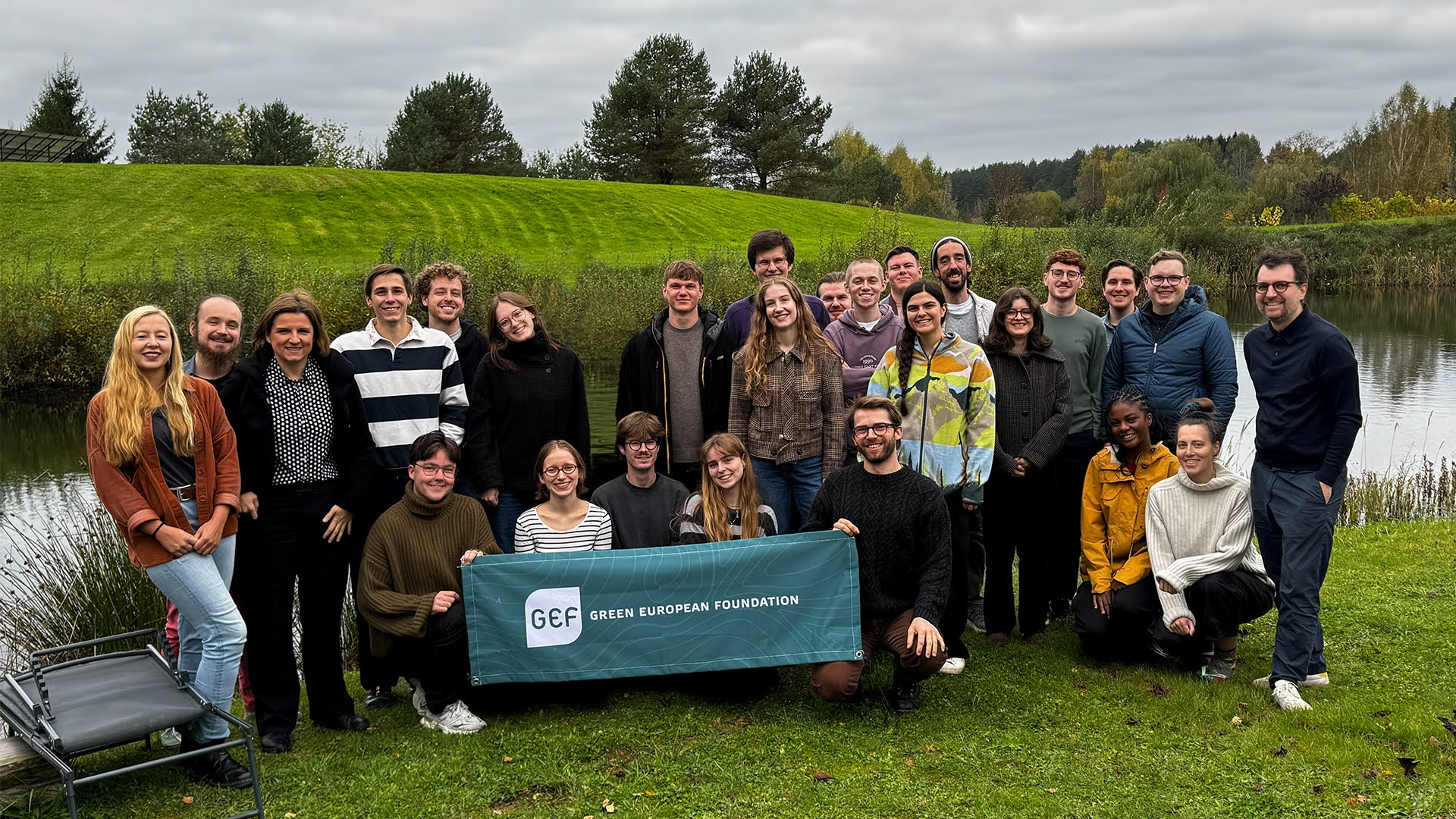
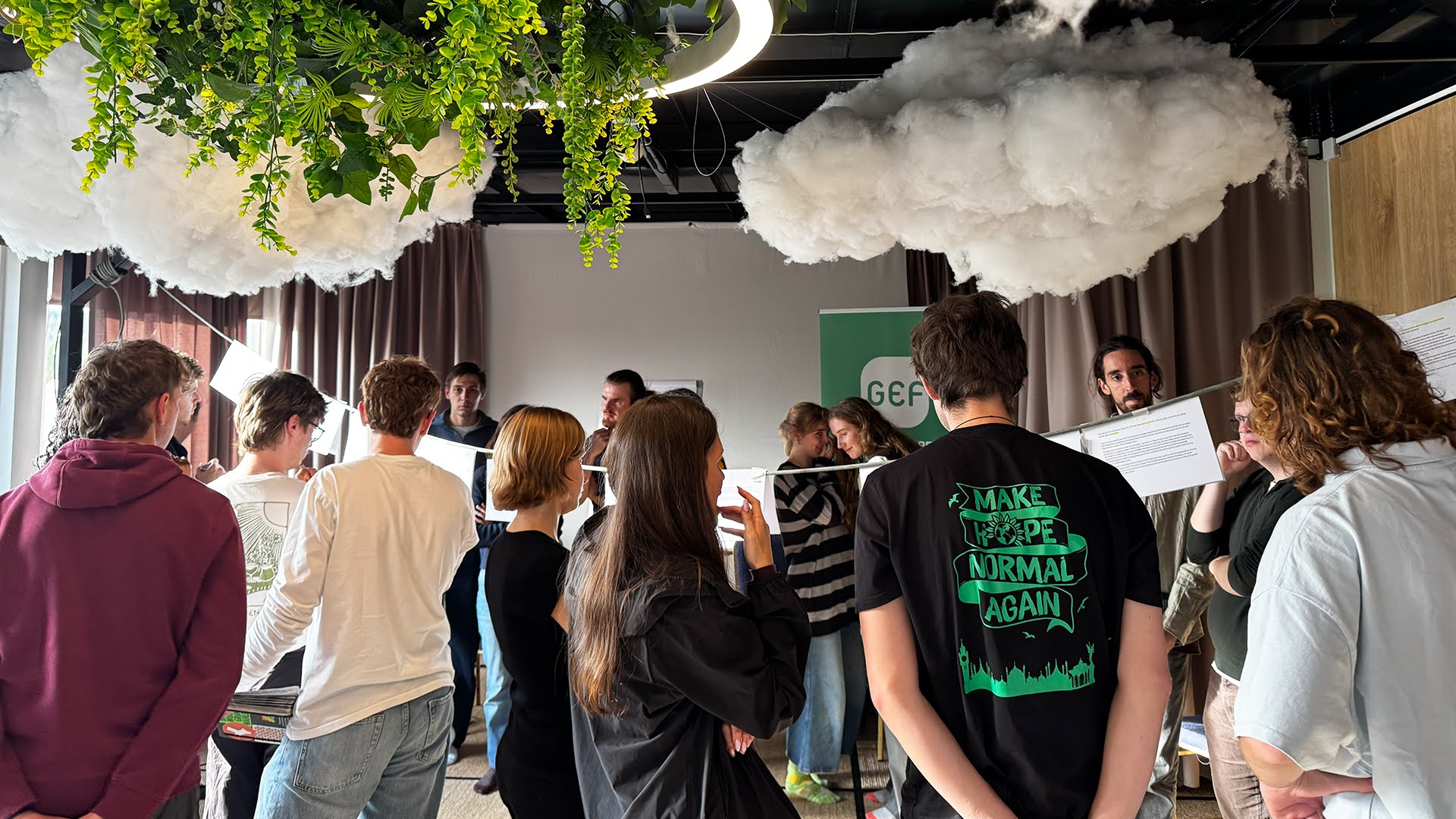
This edition of The Greenhouse Training brought together 20 alumni from across Europe for a five-day political ecology training focused on advanced political reflection, strategic debate, peer exchange and strengthening connections across borders and Greenhouse cohorts. The participants explore pressing challenges facing Green politics, exchanged experiences from their own political contexts, and exchanged with some of the leading political voices and organisers in the European Green movement.
The Future of the European Green Project
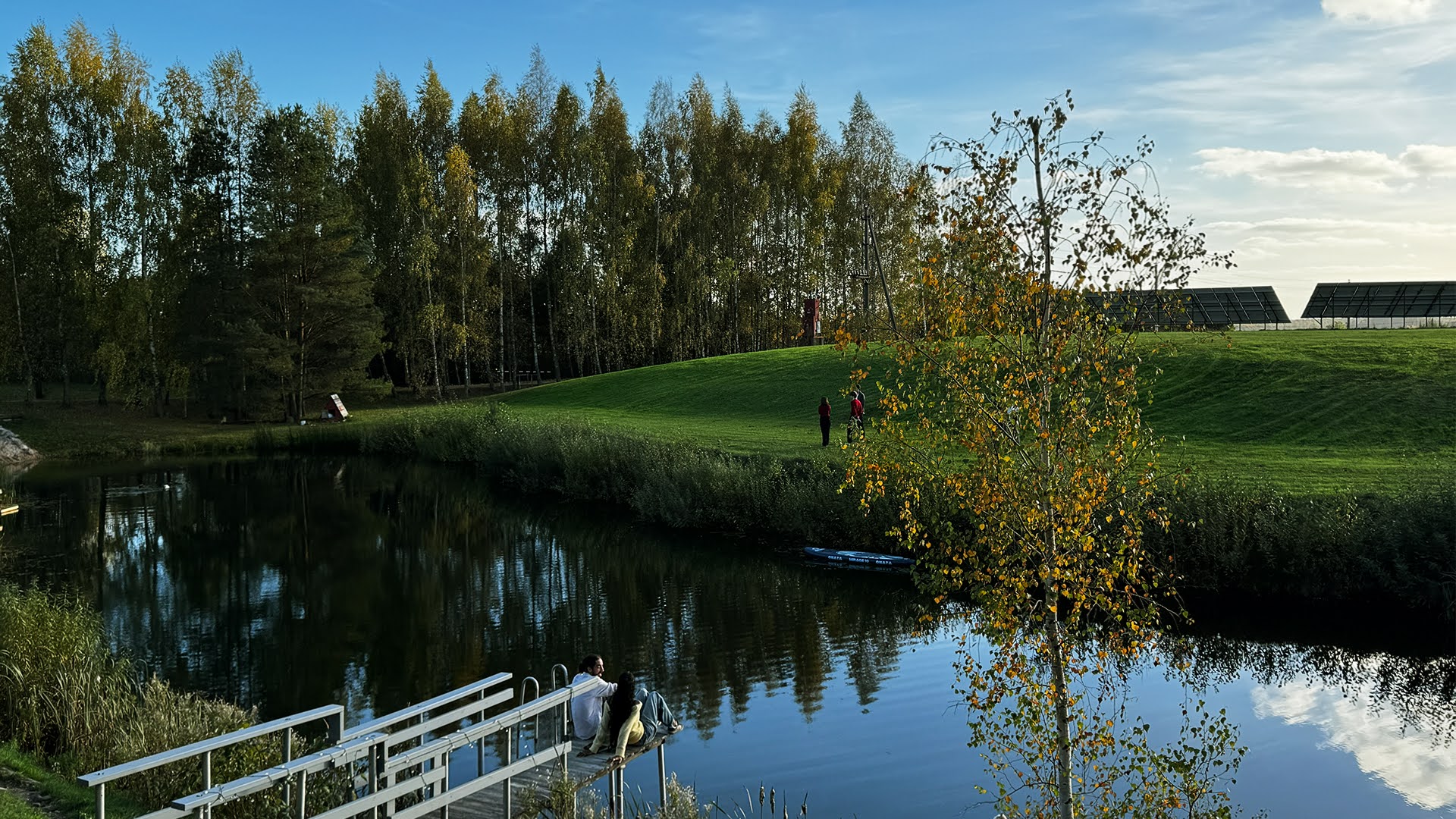
From 7-11 October 2026, the Greenhouse Alumni Training brought together 20 participants from 15 European countries to engage in an intensive five-day political ecology training in the Lithuanian countryside. A central theme throughout the training was the foundations and future of the European Green project and how Green movements can reclaim proactive and hopeful stances in the context of increasingly complex, polarised, and crisis-ridden political landscapes.
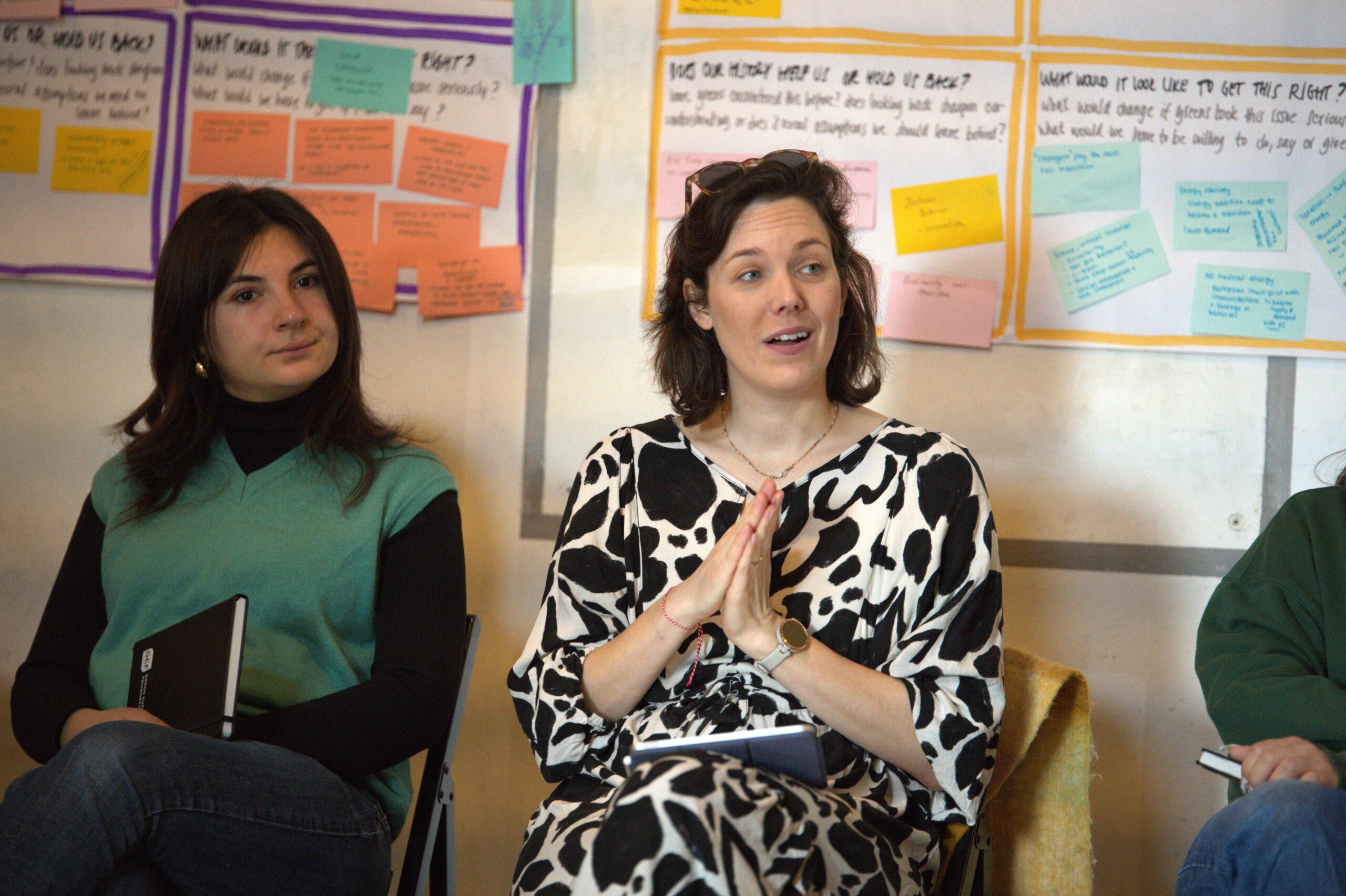
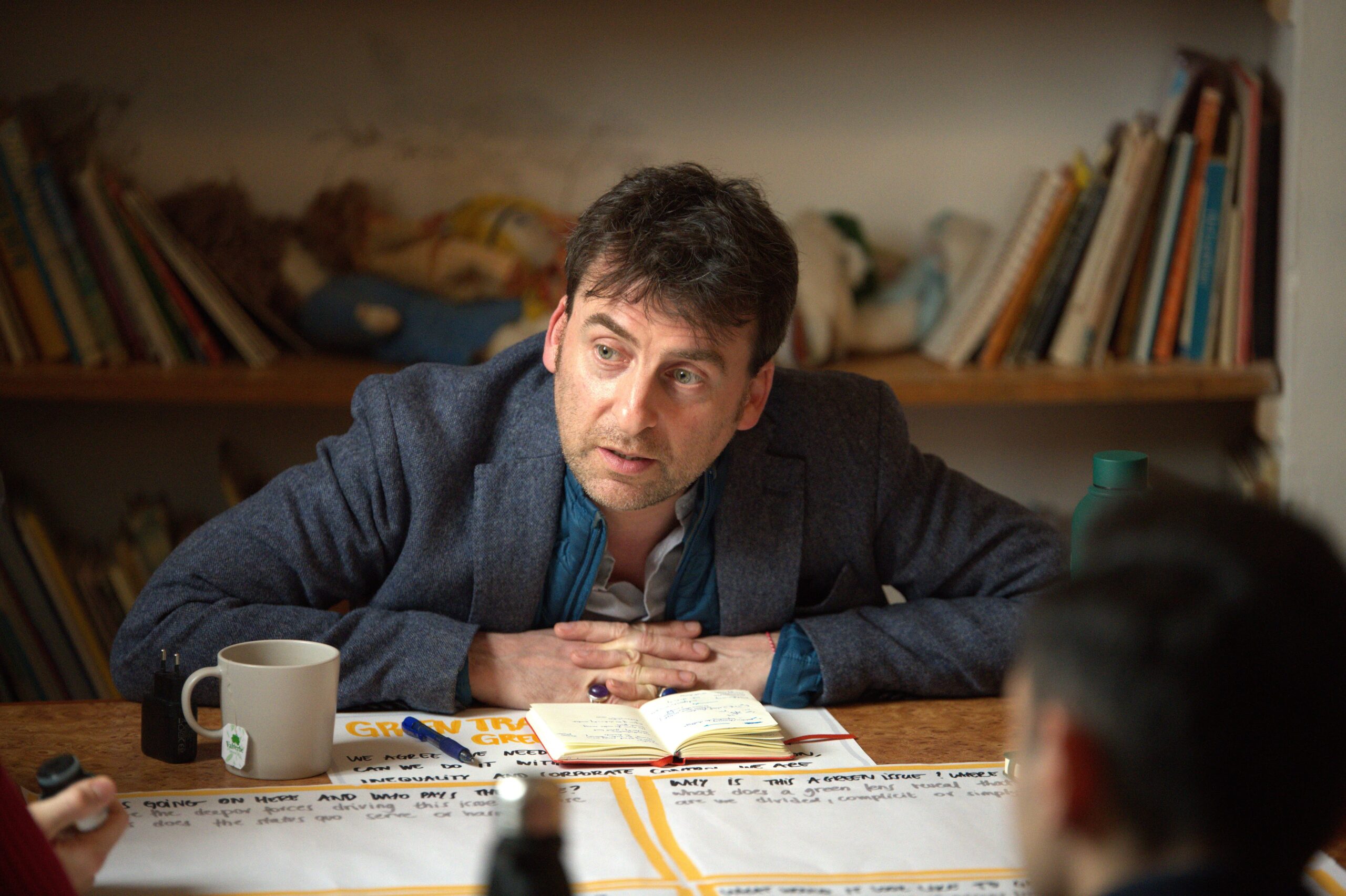
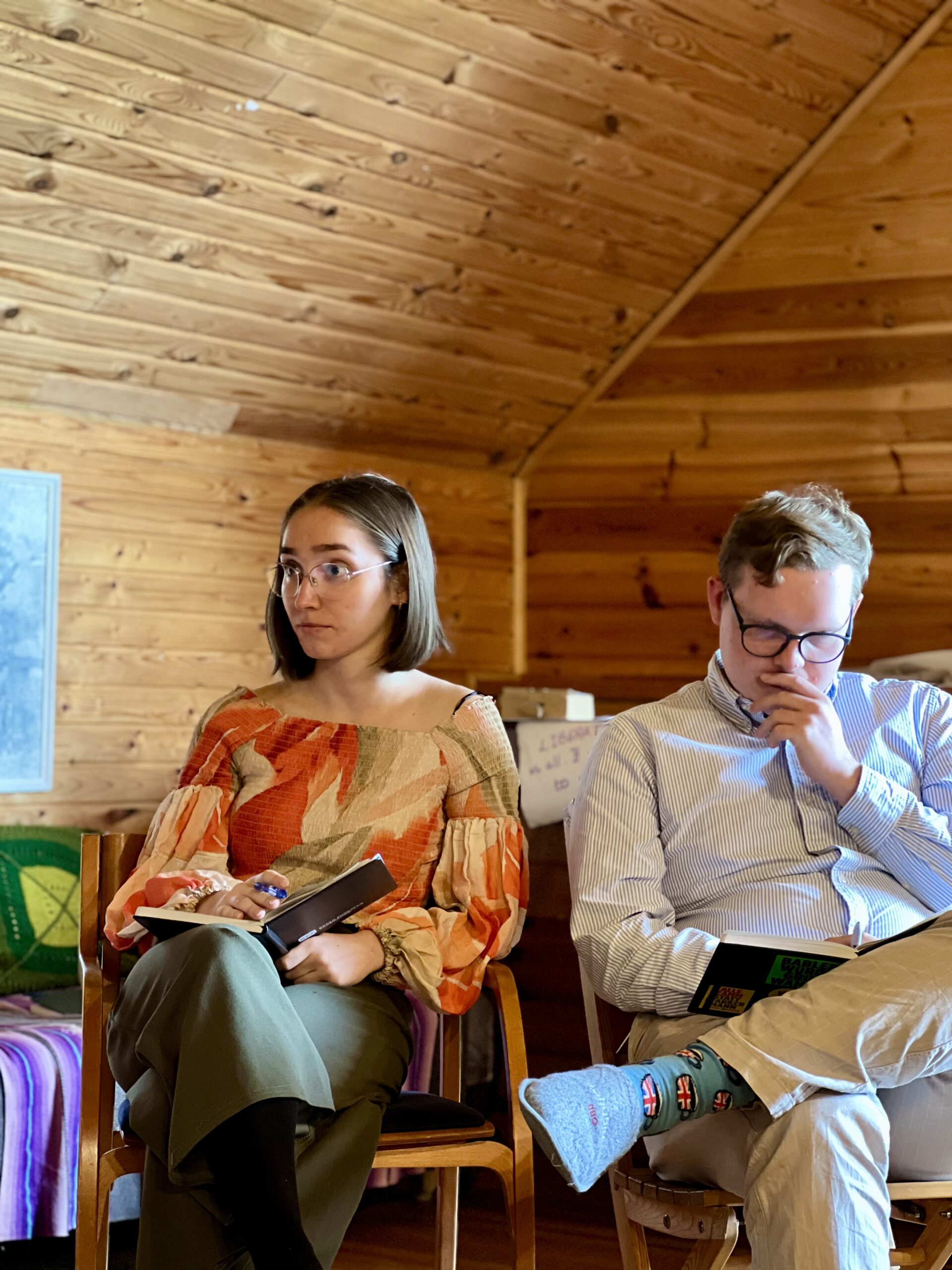
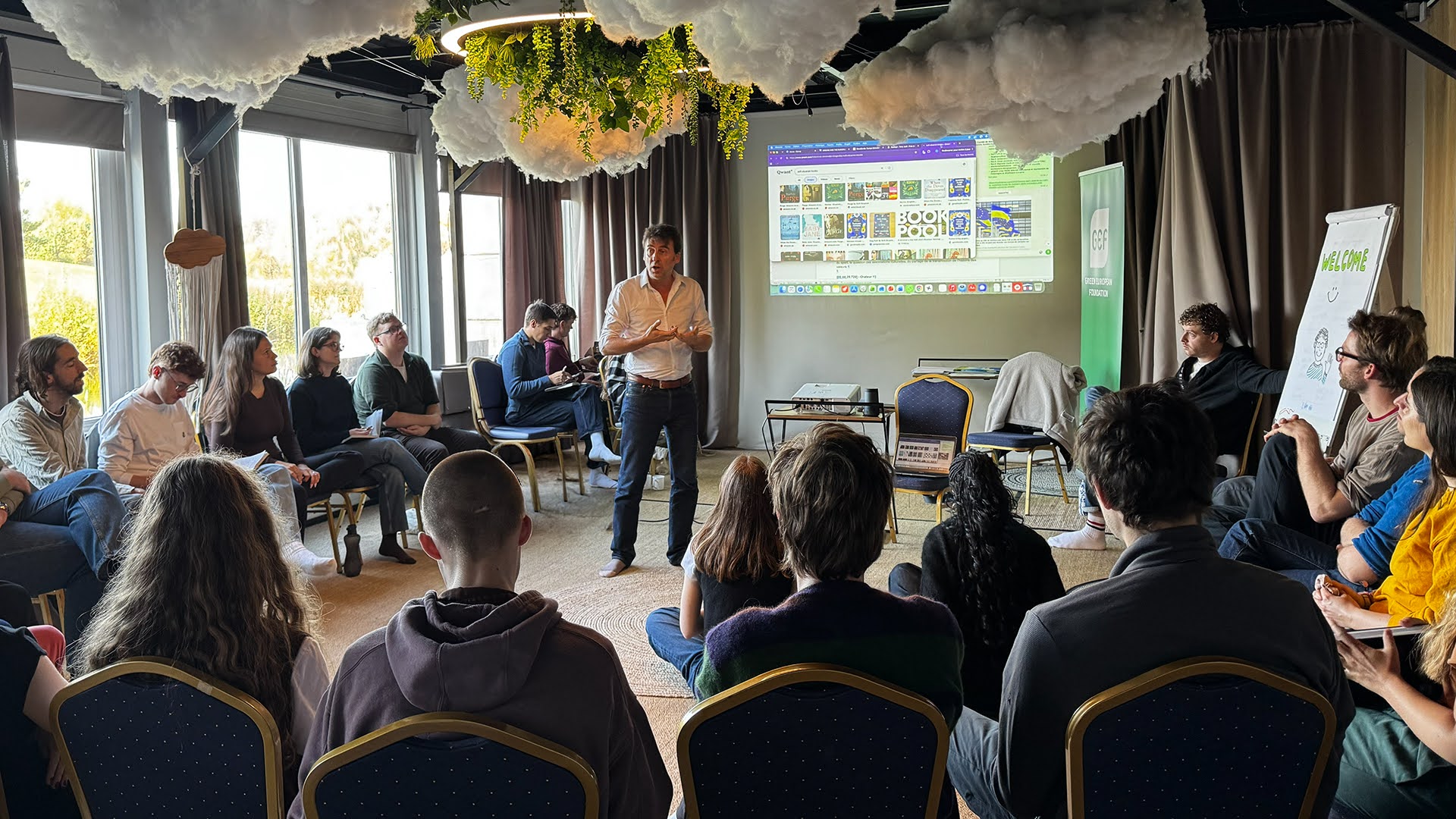
On the first training day, political ecology expert Édouard Gaudot led sessions about the historical development and current phase of European integration; the often-ambivalent relationship between Green politics, Europe, and the European Union; as well as the strategic challenges shaping the European Green movement today.
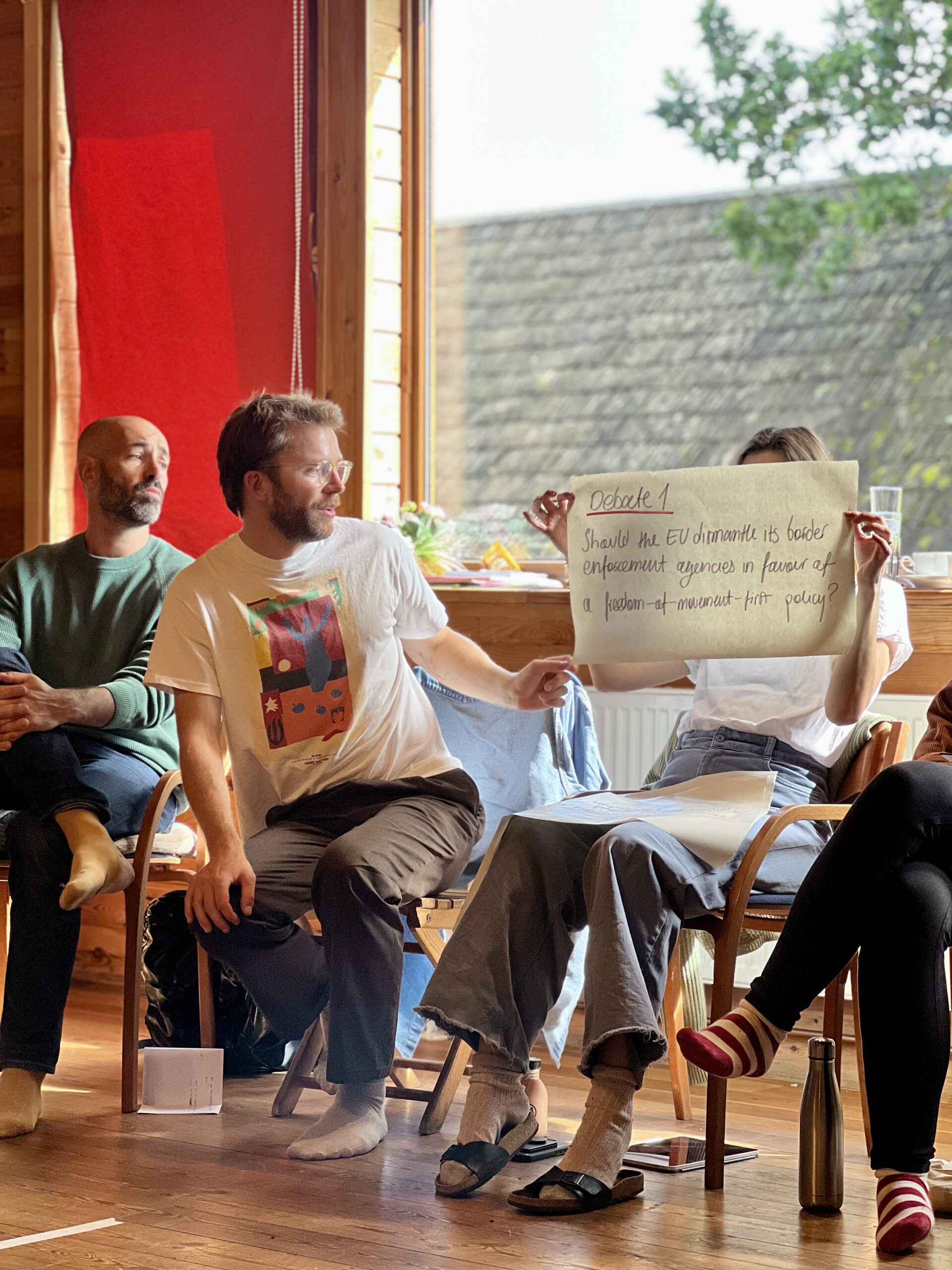
The discussions of this first training day explored major strategic questions for the Green movement: Which constituents should Green parties strive to represent?.
Political Organising Across Europe
A key take-away from day one was that context matters for political strategy. There is no one-size-fits-all solution when taking on a transnational, European perspective. A political narrative that resonates in Serbia may easily fall flat in Portugal.
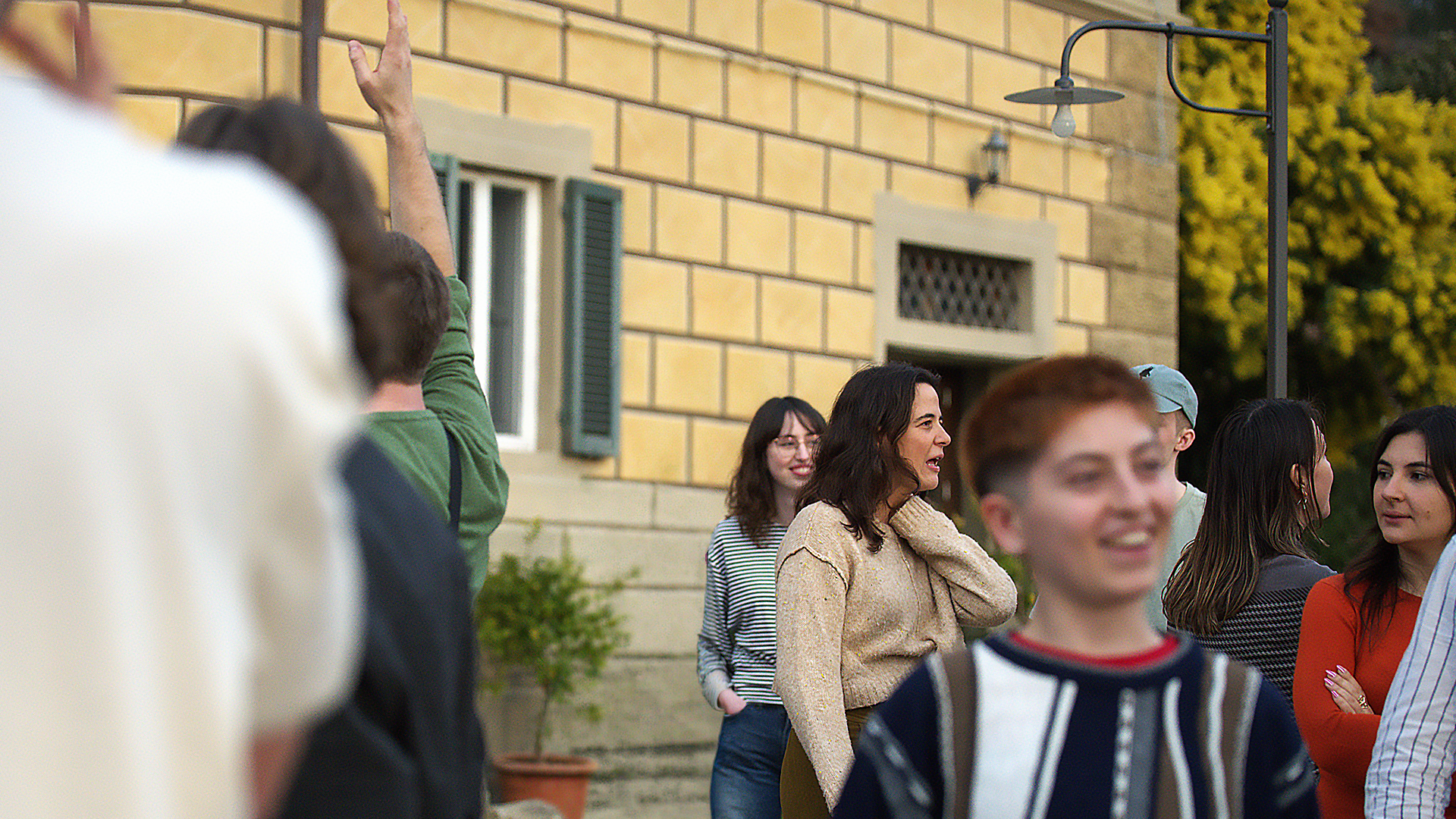
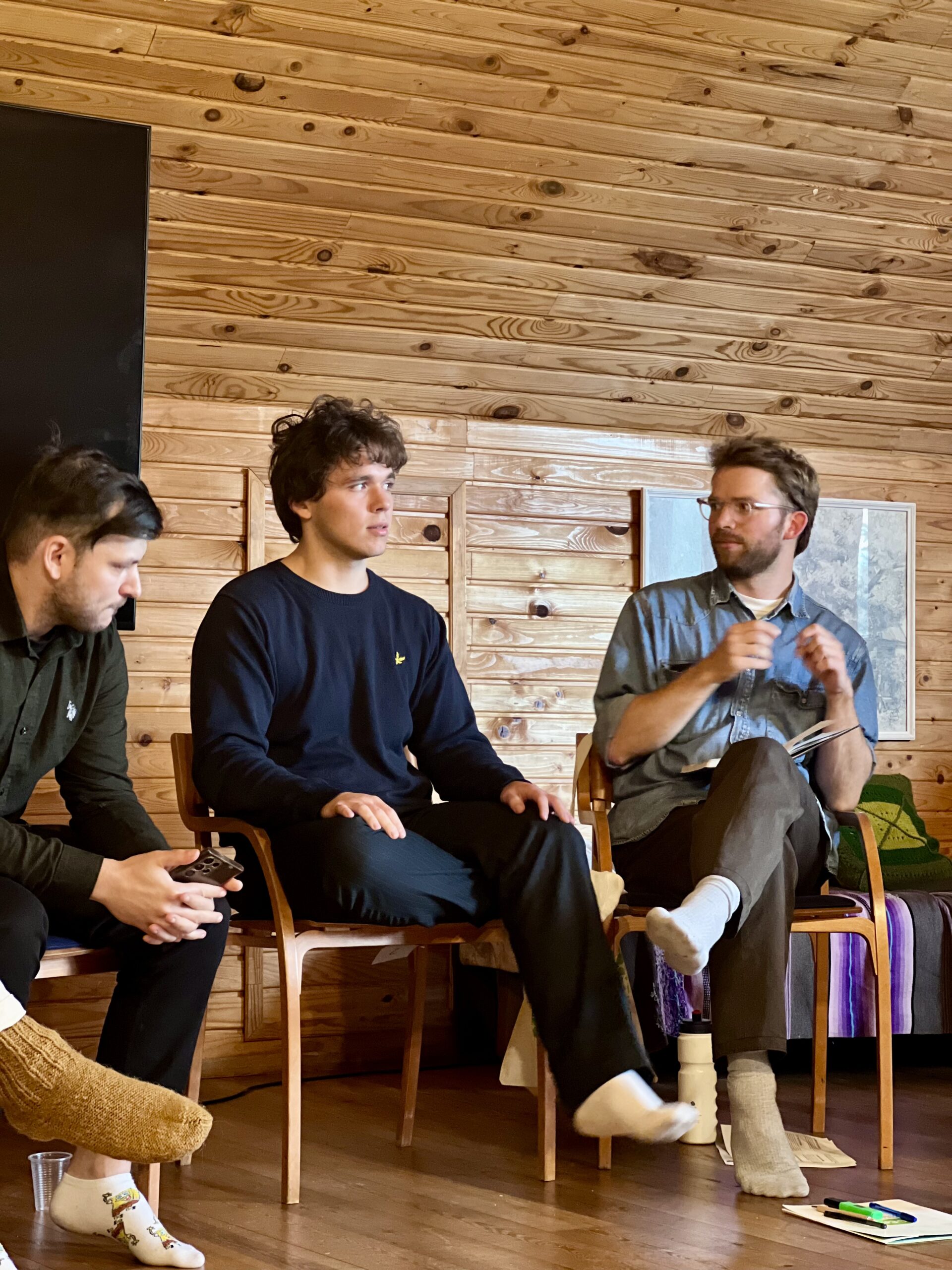
Day two of the training therefore provided an opportunity to better understand recent political developments in Lithuania, the wider Baltic region, and across a variety of European case studies. Participants engaged with Tomas Tomilinas (MP, Democrats for Lithuania) and Virginija Vingriene (former MP, Democrats for Lithuania) about the history of the Lithuanian Greens, current challenges and opportunities . Focusing on topics such as the fight for social rights in a conservative electorate, to rising living costs and geopolitical instability, the session allowed participants to better understand the unique challenges and opportunities of the Lithuanian and Baltic political contexts.
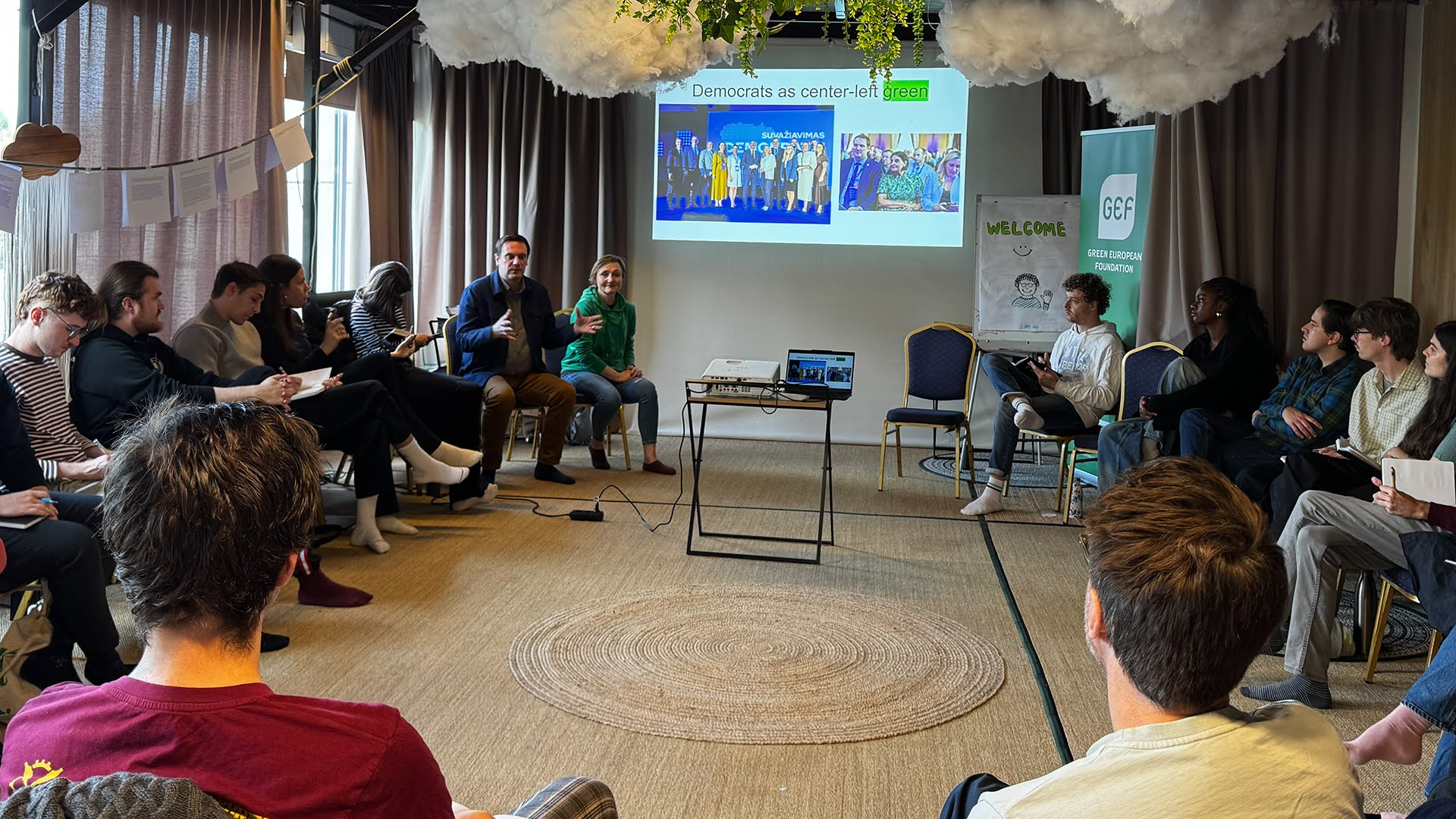
Following the Lithuanian deep dive, participants expanded on the challenges Green actors are facing through case studies in a world café format on:
- Latvia’s recent elections
- eco-socialist organising in Catalunya,
- Serbia’s student protests,
- the transnational work of the Federation of Young European Greens
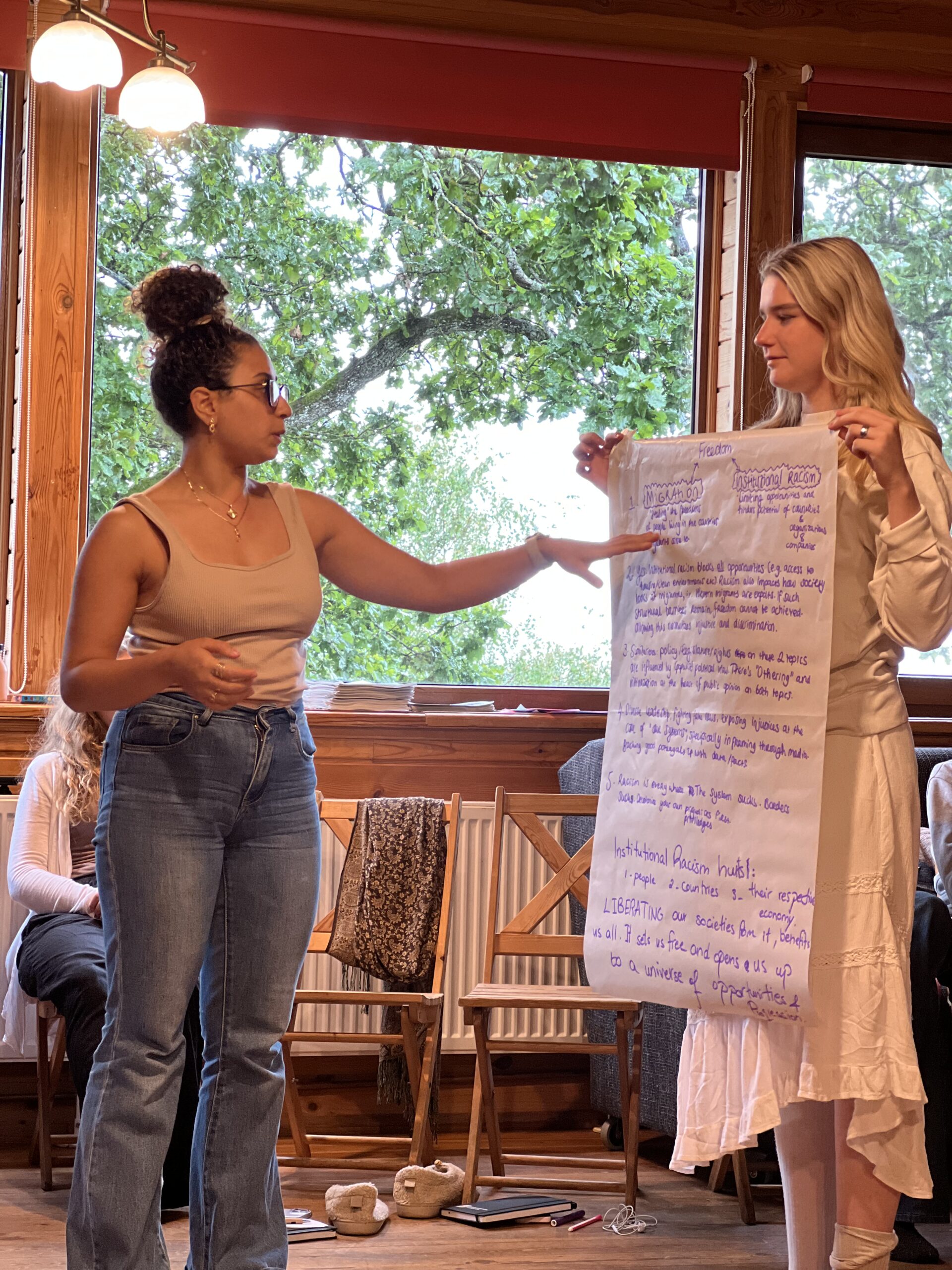
A practical focus of the training centred on political organising and movement-building through the examples from electoral campaigns and grassroots organising efforts. Participants reflected on how Green movements can better connect with citizens, mobilise volunteers, and communicate political ideas beyond traditional activist circles.
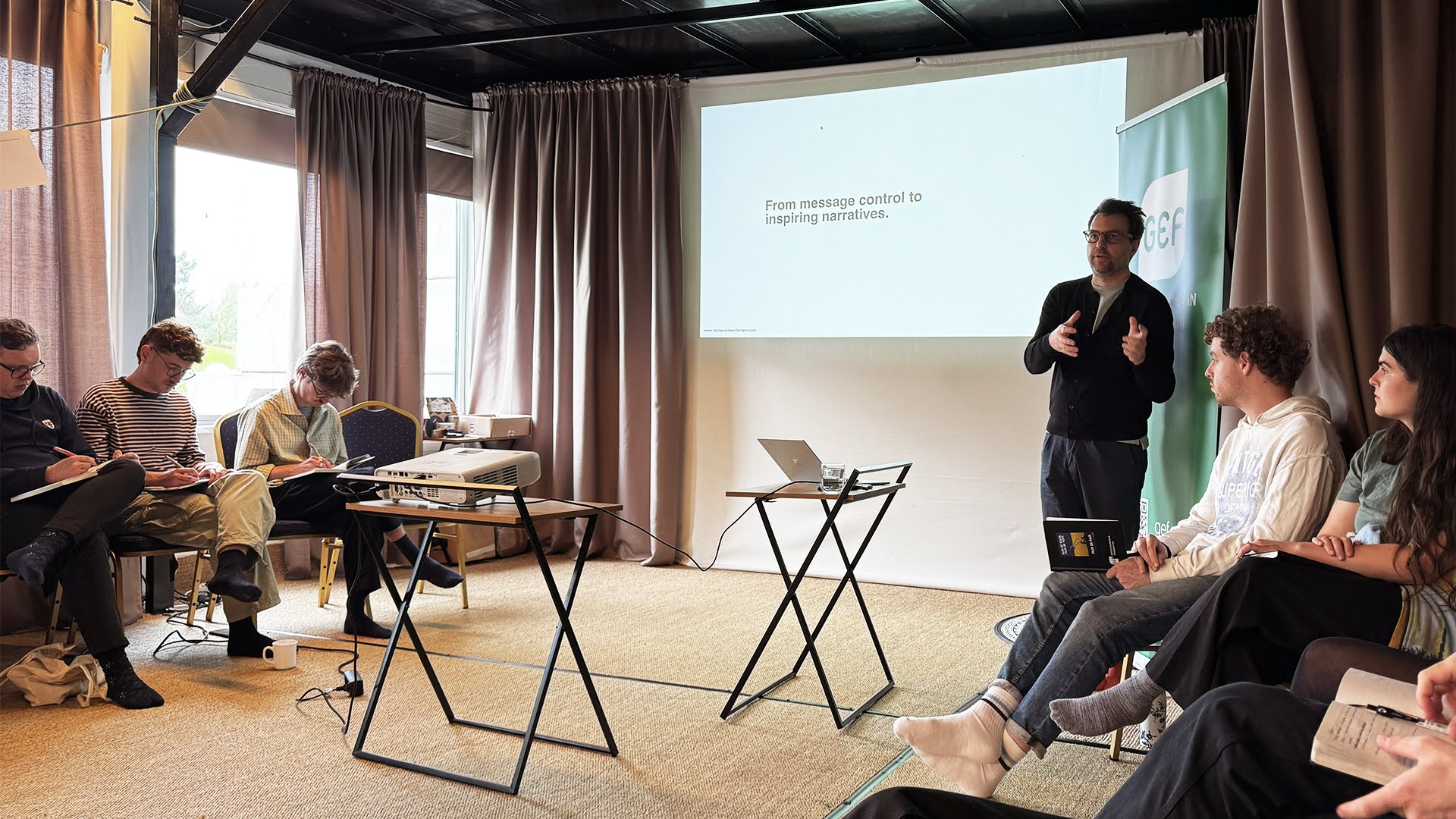
The afternoon sessions facilitated by Nicolas Schwendemann (former head of campaigns, Buendnis90/Die Gruenen, Germany), bridged nicely to campaign strategy, volunteer engagement, theories of change, and long-term movement-building.
Personal Journeys and Leadership
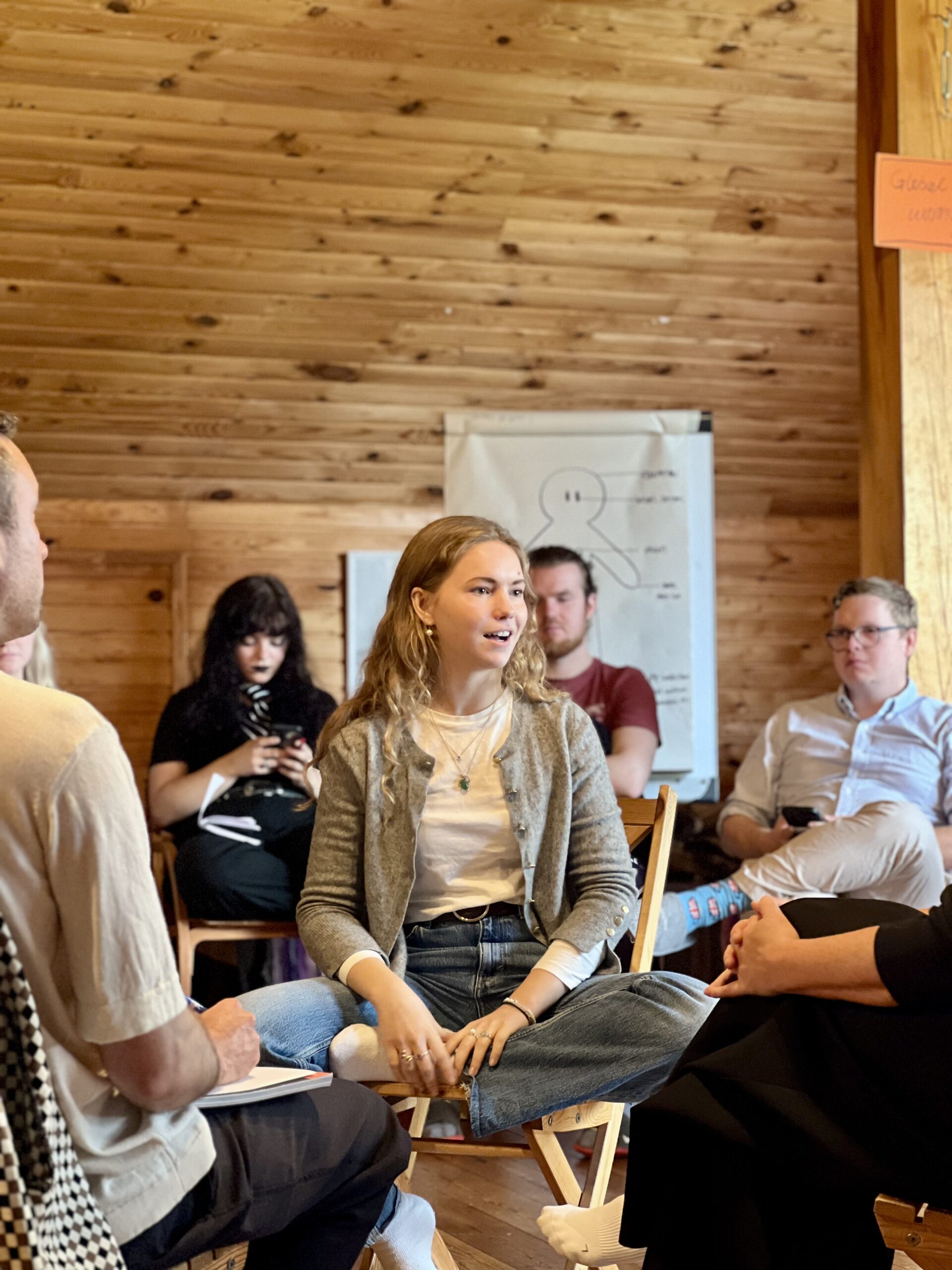
The third day of the training offered structured space for personal reflection on activism, leadership, and political engagement. Through storytelling exercises , participants shared formative moments from their own political journeys and reflected on the experiences that continue to shape their work today.
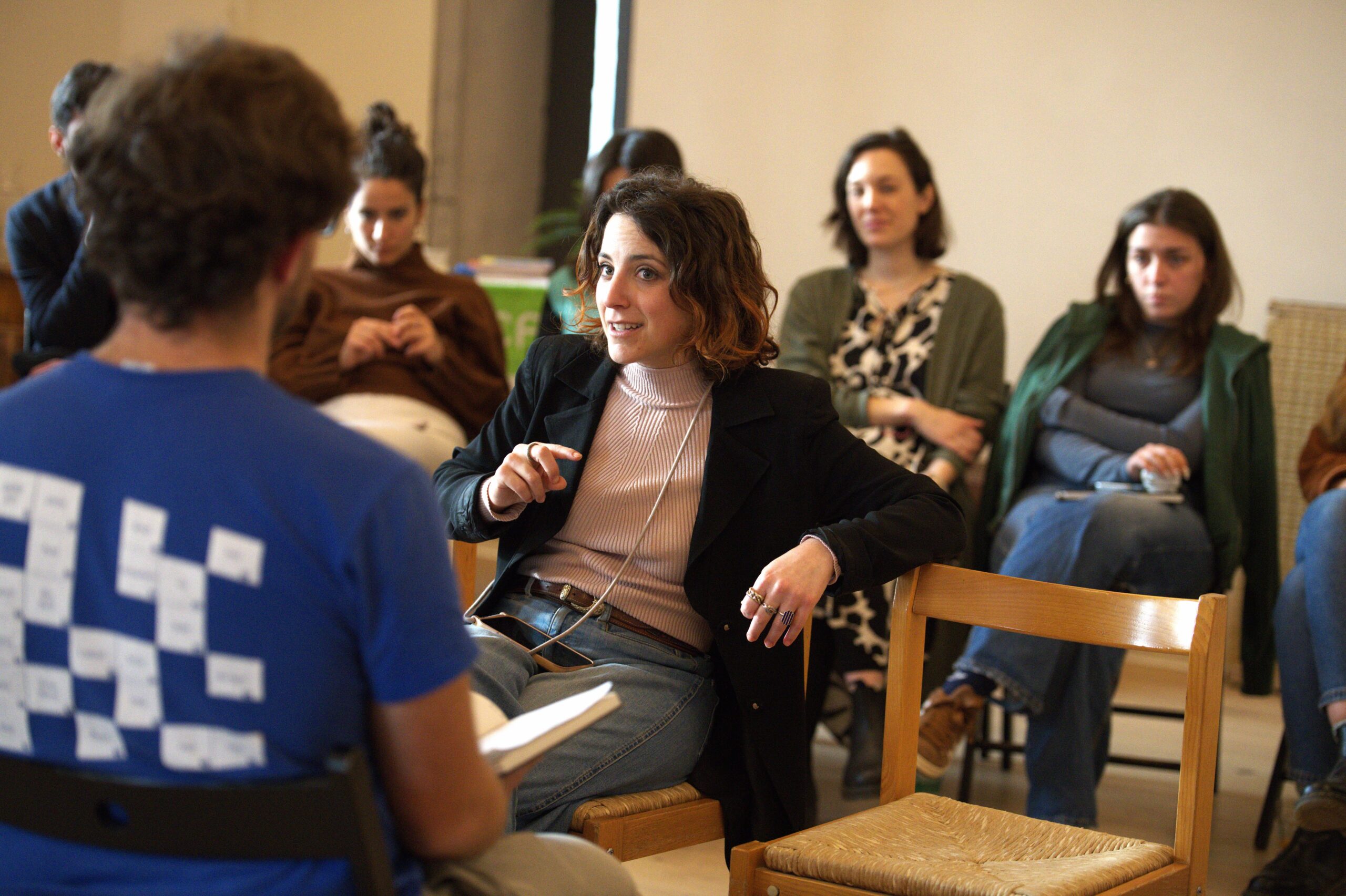
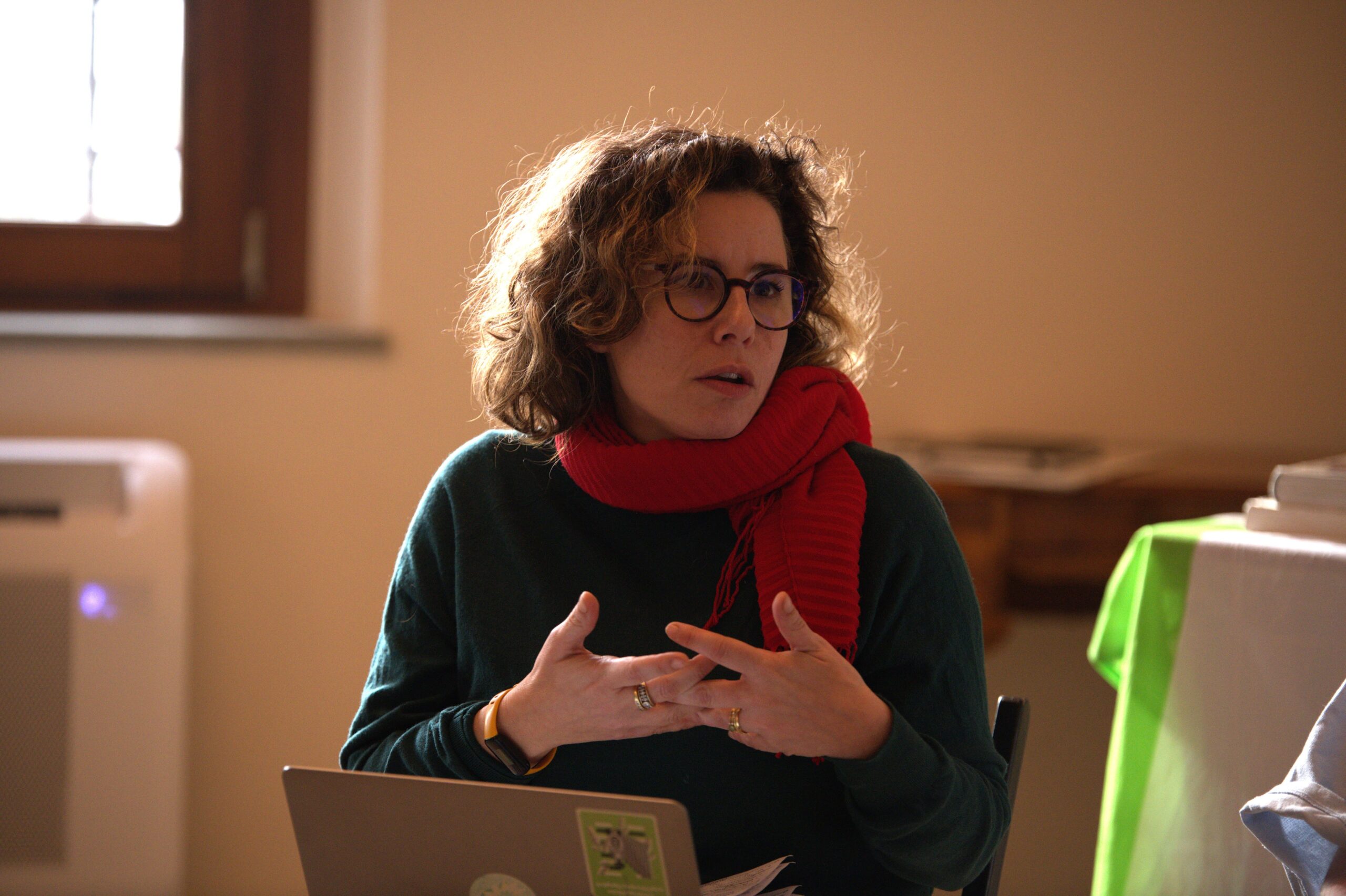
A highlight of the programme was an exchange with Jelena Miloš, Member of Parliament in Croatia and co-founder of Možemo! and European Green Party Committee member, who shared insights from her political career spanning activism, movement-building, electoral politics, and parliamentary work.
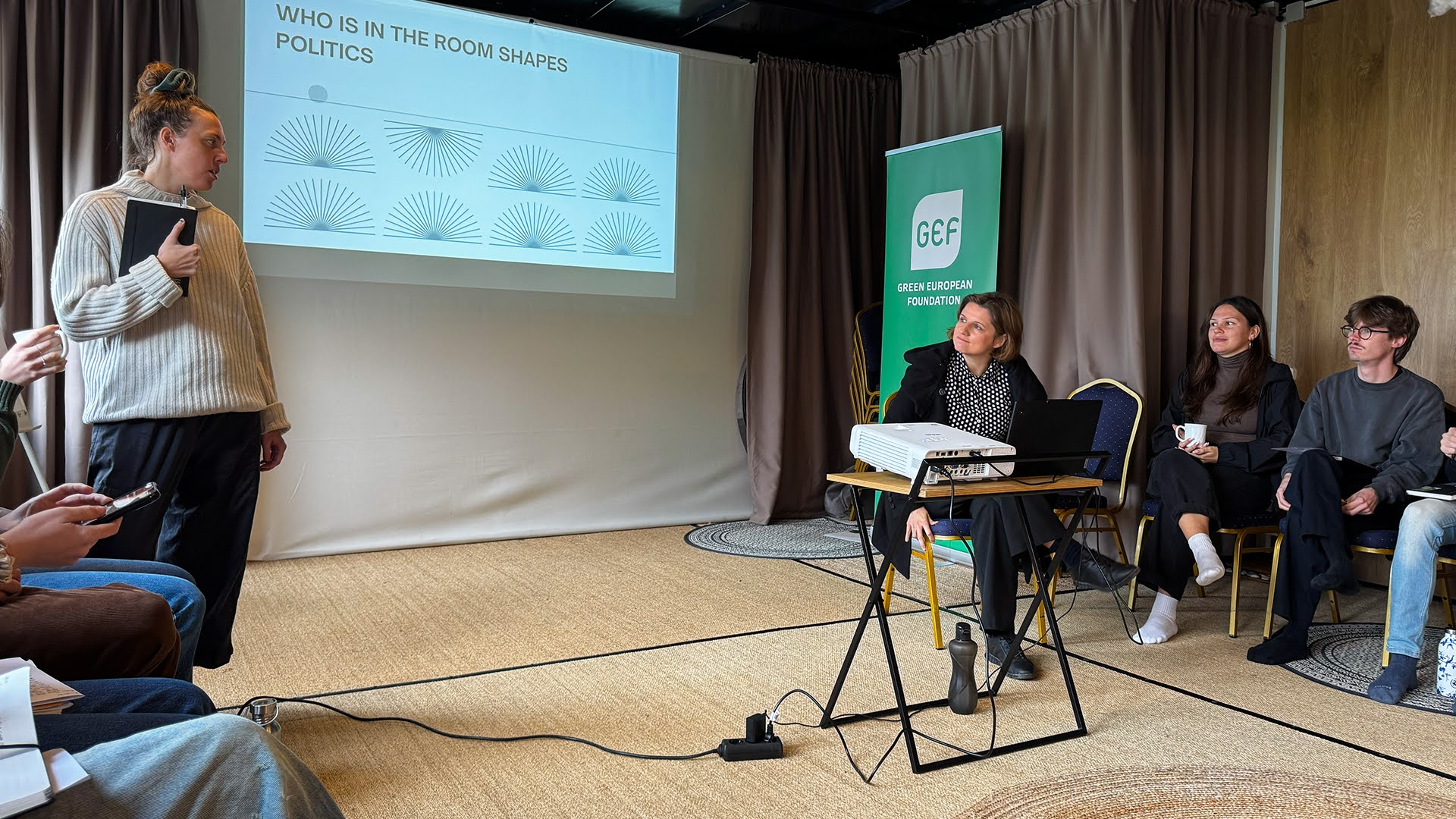
Conversations touched on personal resilience, political compromise, media pressure, coalition-building, and the importance of maintaining political values and personal integrity while navigating political institutions and levels, from the local all the way to the European.
Strengthening The Greenhouse Community
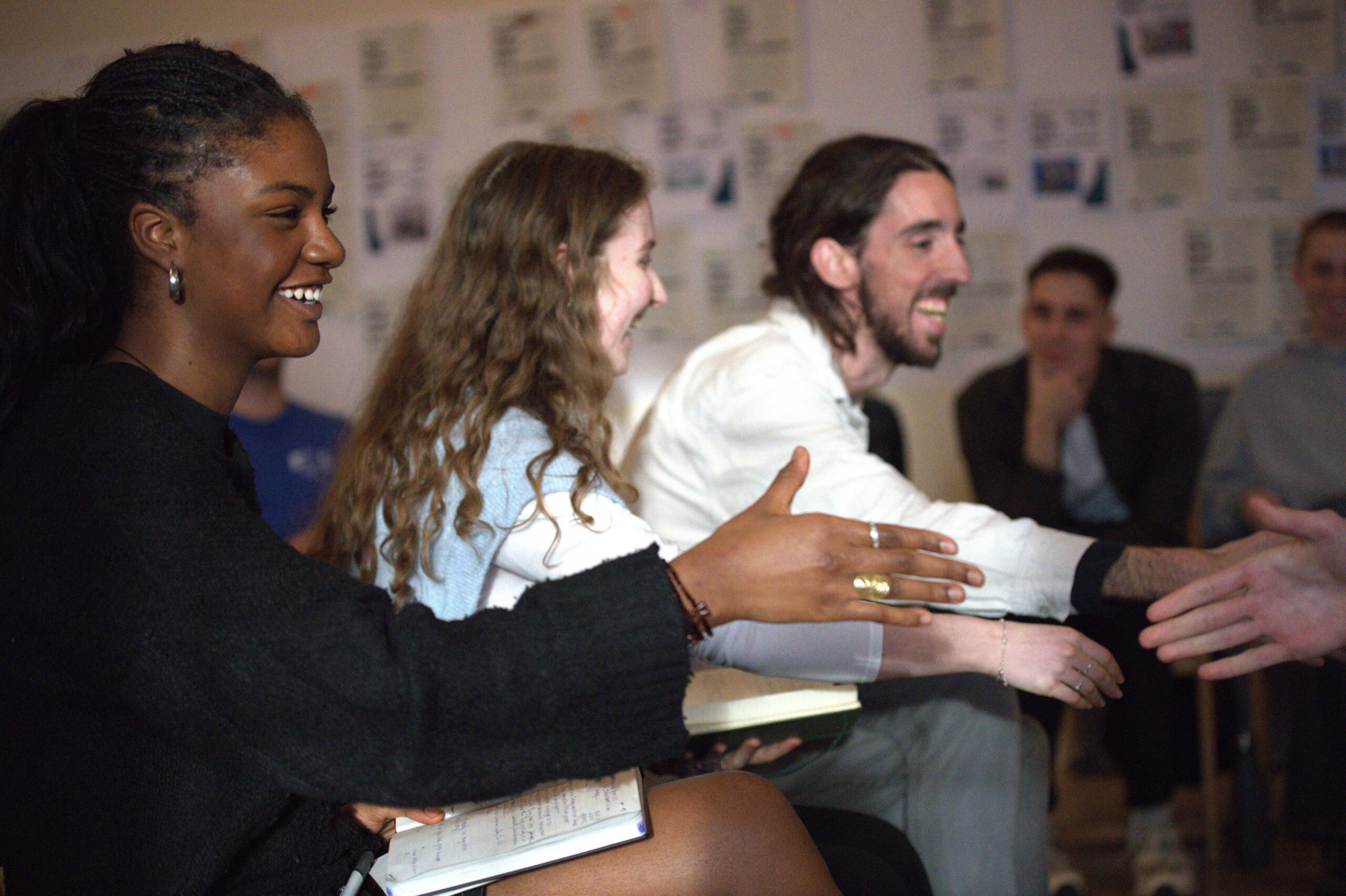
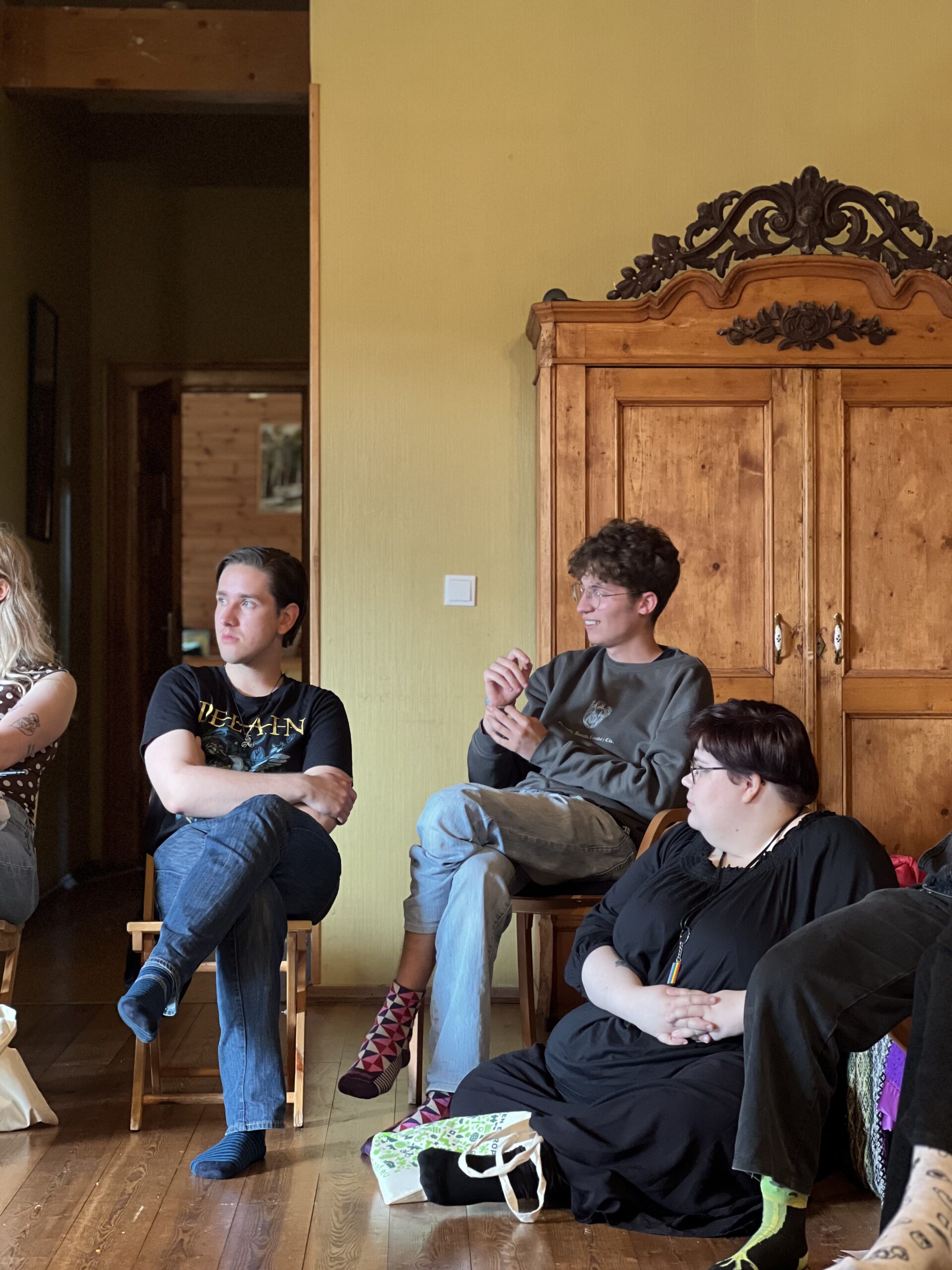
Beyond the formal sessions, the Alumni Training was designed to foster a lasting sense of European solidarity among participants. Bringing together activists from different countries, political traditions, and Green movements across Europe, created continued and deepened opportunities for learning and understanding, mutual support, and collaboration across borders.
Apart from the numerous challenges the Green movement is dealing with, the training strongly emphasised the possibilities for building a more connected movement, capable of responding to the current fragmented political environment. We closed the training with commitments to continue supporting one another’s political journeys long after returning home as part of the Greenhouse Community.
The Alumni Training is reaffirming the value of political education, transnational exchange, and collective reflection in developing the next generation of Green activists and European leaders in a continuously growing community.