Making the City Green with Civil Society

By Uncategorized

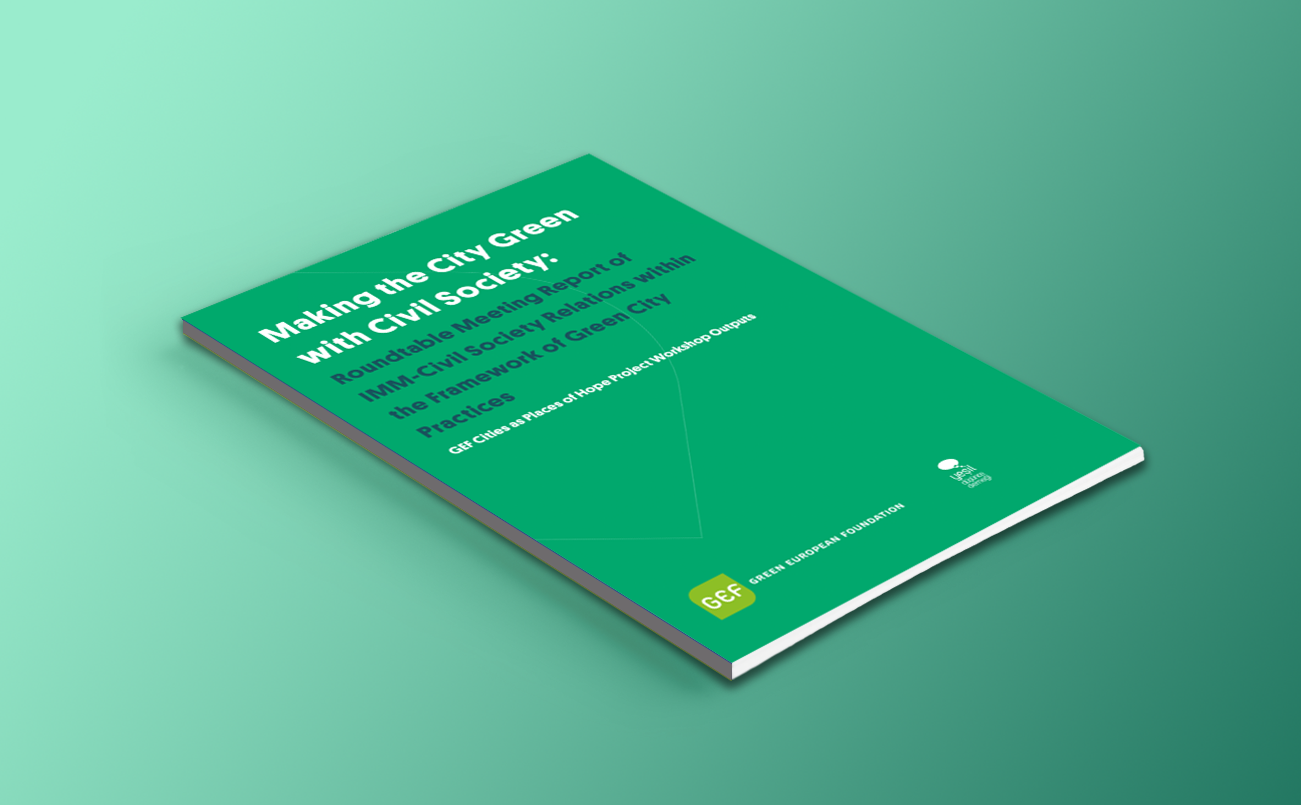
Making the City Green with Civil Society: Roundtable Meeting Report of IMM-Civil Society Relations within the Framework of Green City Practices


This report is prepared on the basis of the outputs of the Green Cities Workshops organized under the Cities as Places of Hope Project. The Cities as Places of Hope Project has been carried out by the Green European Foundation with the support of green organizations from all over Europe; Spain (Transición Verde), Catalonia (Nous Horitzons), Croatia (The Institute for Political Ecology-IPE), Belgium (Oikos), Northern Macedonia (Sunrise) and Turkey (Green Thought Association). This project was launched in 2019 focusing on progressive city networks, a key factor in developing a positive narrative about Europe’s future. Within the scope of the project, it is aimed to bring together the progressive and transformative local and international city networks, to provide cooperation, to facilitate the exchange of information, and to contribute to the creation of a positive narrative about the future of Europe with the activities carried out in 2020.


Also available in Turkish

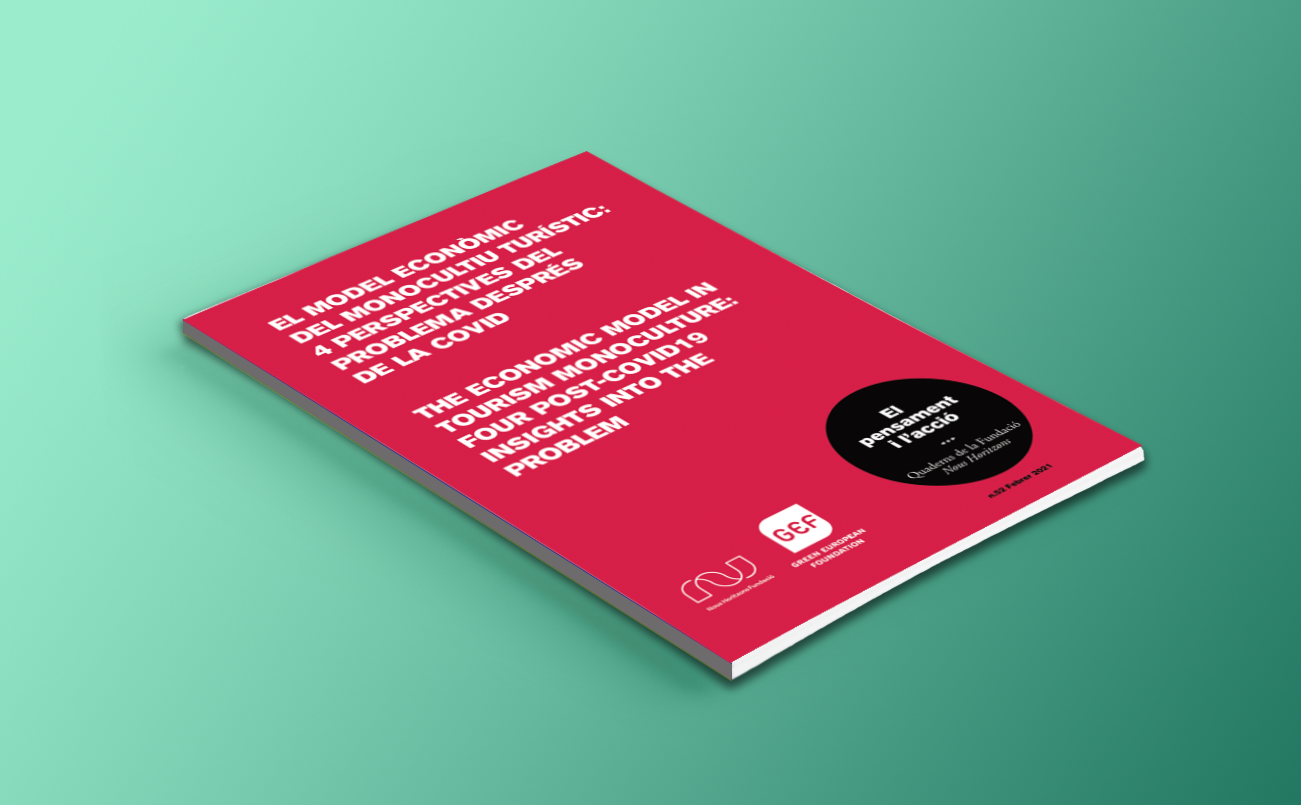
The Economic Model in Tourism Monoculture

By Uncategorized

EL MODEL ECONÒMIC DEL MONOCULTIU TURÍSTIC


As this project developed in 2020, COVID-19 wrestled hold of Europe and devastated tourism industries across the continent. With the streets and beaches empty, people and governments have been forced to look at the economic sustainability and the environmental impact of the sector; our project has been holding up a magnifying glass, allowing them to look more closely.

In this publication (EN/CAT) we analyse the sun and beach tourism model, and draw conclusions that may help  us find alternatives.


This publication is a summary of the workshop “The economic model of monoculture tourism: 4 perspectives of the problem after COVID” that took place on 3 December 2020 in the frame of the GEF (Green European Foundation) project “Fair and Carbon Free Tourism”. Different green foundations collaborate in this transnational project that will work for three years on different aspects of sustainable tourism.

More information: Fair and Carbon Free Tourism

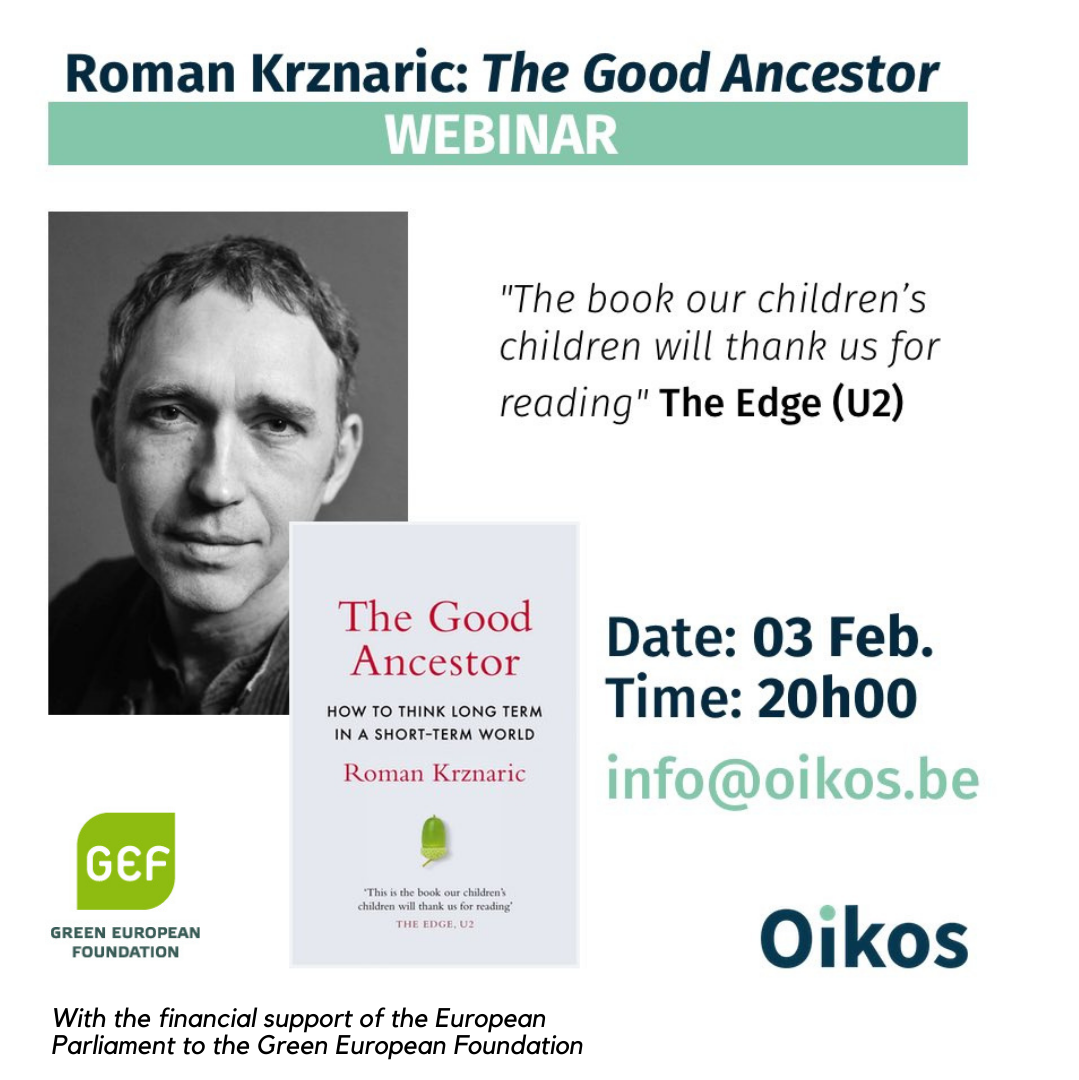
Just Transition – The Good Ancestor

By

About the event

The only way to move from an extractive economy to a regenerative one, is through a just transition. This means making sure that we leave nobody behind. This also means embracing solidarity with future generations. Just Transition is about shifting our perspective from short-termism to considering the planet we leave to our descendants. In his latest book The Good Ancestor, philosopher Roman Krznaric develops this core point magnificently. He dives into history and the human mind to show that we can think and plan in the long-term. How will the grandchildren of our grandchildren remember us?

Fortunately, more and more time rebels – the people who are fighting for intergenerational justice – are putting this holistic plea on the agenda. Drawing on radical innovations from around the world, Krznaric celebrates those who are reinventing democracy, culture and economics so that we all have the chance to become good ancestors and create a better tomorrow.

After the presentation, the author will be joined by Philsan Osman, student, aspiring writer and community builder for a discussion on past, present and future interdependence and solidarity.

Context:

JUST TRANSITION as transnational project aims to tackle the challenge of transforming from an extractive to a regenerative economy in a just and equitable way to find the necessary support among the population. It seeks to show that the green family, including Green European Foundation in its specific role, is a leading actor in the development of futureproof politics and policies, developed in a sensitive way that keeps in mind local specificities.

Speakers:

Roman Krznaric, philosopher and author of The Good Ancestor

Programme:

  • 20:00 – 20:40 Book presentation
  • 20:40 – 21:00 Discussion
  • 21:00 – 21:30 Q&A

Practicalities:

Please register via the following link.

To support the organisation of this webinar, please consider a contribution on account number BE07 8901 5430 1466 (BIC: VDSP BE 91 – vdk bank). Account name: Oikos Denktank.


This event is organised by the Green European Foundation with the support of Oikos Think Tank and with the financial support of the European Parliament to the Green European Foundation. The European Parliament is not responsible for the content of this webinar.


DOUGHNUT ECONOMY

By

About the Event

Creating social prosperity within the (ecological) boundaries of the planet: the doughnut model of British economist Kate Raworth is becoming increasingly popular in politics. After Amsterdam, also Brussels is committed to apply the theory for a more sustainable (local) society. On 22 January at 3 pm we talk with Kate Raworth, Barbara Trachte, State Secretary of the Brussels Capital Region, responsible for Economic Transition and Scientific Research, and Marieke Van Doorninck, alderwoman in Amsterdam for Sustainability and Spatial Planning.

Context

This webinar forms part of the Cities As Places of Hope transnational project, highlighting transformative green cities in Europe as engines of transition.

Speakers

Kate Raworth, Economist, Author of Doughnut Economics

Barbara Trachte, State Secretary of the Brussels Capital Region, responsible for Economic Transition and Scientific Research

Marieke Van Doorninck, alderwoman in Amsterdam for Sustainability and Spatial Planning

Moderator: Dirk Holemans (coordinator Oikos)

Practicalities

Facebook event: Webinar: Doughnut Economy in practice w/ Kate Raworth

Language: English with simultaneous translation in French.

Register by sending an email to info@oikos.be <<<

Pay as you like on account number BE07 8901 5430 1466 (BIC: VDSP BE 91 – vdk bank).

Account name: Oikos Denktank.

This webinar is organised by the Green European Foundation with the support of Oikos Think Tank and the financial support of the European Parliament to the Green European Foundation.


Just Transition Framing Paper

By Uncategorized
This paper is part of the Green European Foundation’s Just Transition transnational project. The project looks into the question of transforming from an extractive to a regenerative economy in a just and equitable way to find the necessary support among the population. The project is focused on collecting and sharing insights on the development of future-proof politics and policies, developed in a sensitive way that keeps in mind local specificities. The project is on behalves of GEF coordinated by OIKOS (Belgium), with as project partners Green House Think Tank (UK), Institute for Political Ecology (Croatia); Sunrise (North-Macedonia), Transicion Verde (Spain), Networked and Federation of Young European Greens (FYEG) and Networked (Serbia). In the course of the project, the partners will implement activities in their countries to increase awareness of the importance of a Just Transition all over Europe. Eventually, the partners will compile a book on the subject to be published September 2021.


You can also read this publication in:


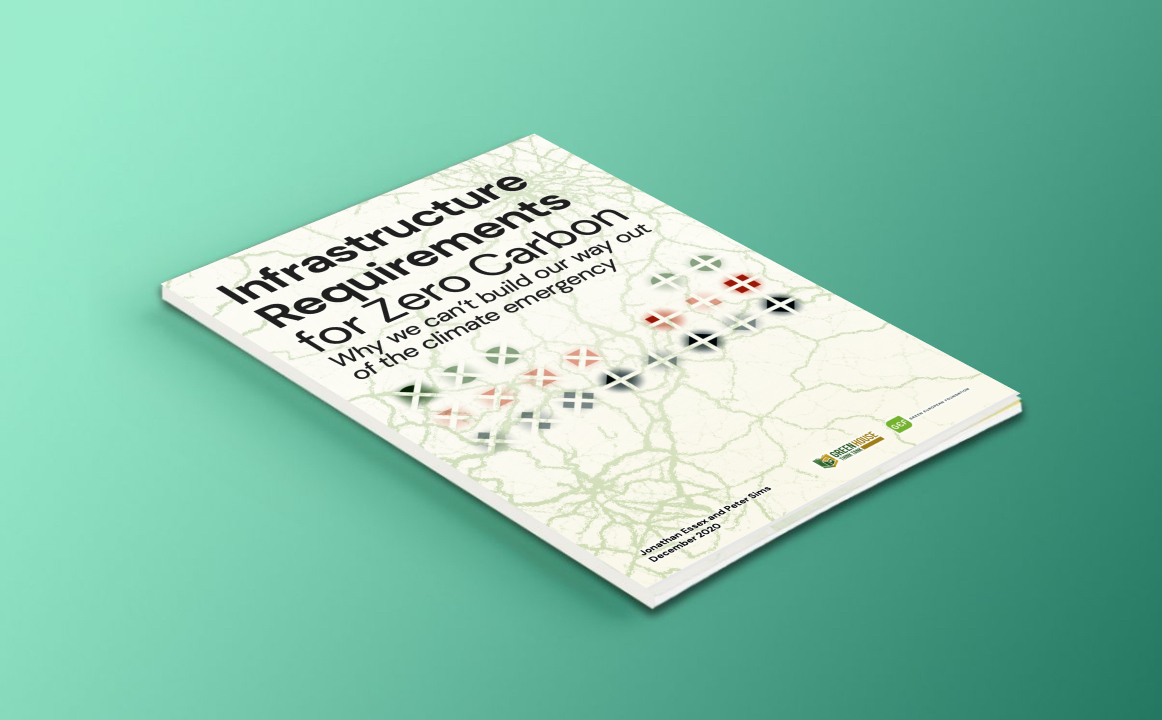
Infrastructure Requirements for Zero Carbon

By Uncategorized

About the report

This report explores how incompatible our society’s current and planned infrastructure is with the rapid decarbonisation of the UK economy needed to deliver on the climate emergency. It focuses on three key sectors: freight transport, aviation and steel, and considers what changes are required to bring these into line with zero carbon goals, using the ‘blockers and enablers’ toolkit introduced in Green House’s August 2020 report, Trade and Investment Requirements for Zero Carbon.​
Jonathan Essex, one of the report’s authors, said:

Much of our existing industrial infrastructure, such as fossil fuel power stations and steel blast furnaces, is incompatible with zero carbon. Similarly, planned new transport infrastructure is still taking our economy in the wrong direction. The climate emergency means we must make different infrastructure choices. We need to manage down demand for energy and materials, and install renewable energy infrastructure faster. And we must reverse out investment in expanding road networks, ports and airports and make better use of what we already have. A climate-proof infrastructure investment strategy will be one that drives a change to smaller, circular economies that fit within environmental limits […].


This report is part of a wider project led by the Green European Foundation exploring what a ‘climate emergency economy’ would look like through a rethinking of trade, industry and infrastructure investment. The project involves Greenhouse Think Tank in the UK alongside Groenlinks in the Netherlands and Green Foundation Ireland.


Between Extractivism and Decolonization: The European Hunger for Resources

By

About the Event:

In this event, we invite everyone to join our conversation about natural resources, extractivism and deep-sea mining. Our aim is both to inform and discuss with European and international citizens.

Context:

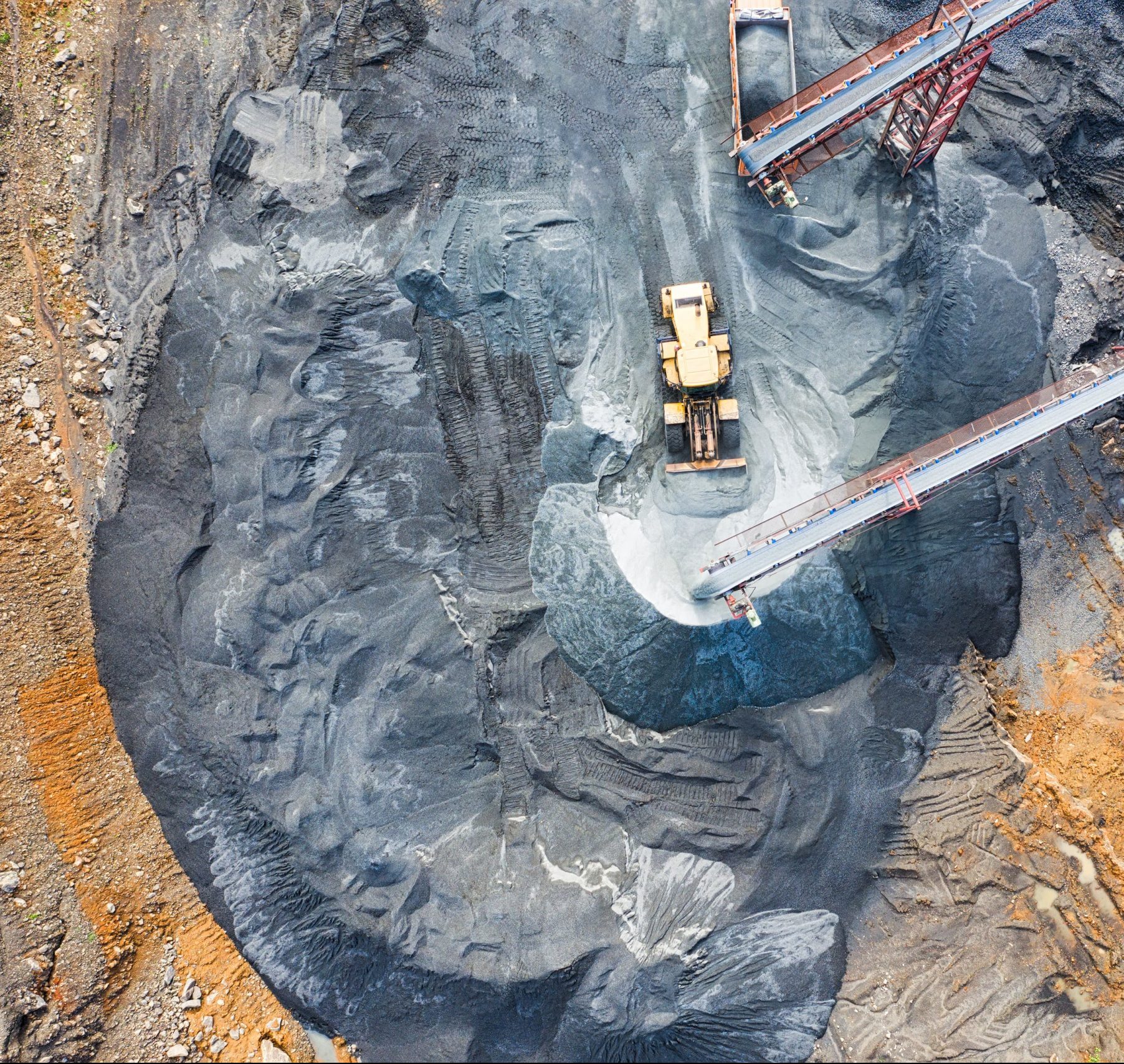
Opening up new mines is diametrically opposed to curbing our ecological greed and threatens mankind and the planet. Free trade leads to increased deforestation, land grabbing and violations of human rights, such as violence against indigenous communities. Deep-sea mining leads to ecological destruction in those few places on earth that have not yet been plundered by the growing economy.

If the EU focuses unilaterally on access to precious resources, there is a threat that a colonial exploitation logic will continue. The alternative is a real just transition, one that emphasizes on human rights and the provision of a good life for all within the boundaries of the planet.


Speakers:

Wies Willems, Broederlijk Delen

An Lambrechts, Greenpeace Belgium

Sarah Vanden Eede, WWF Belgium

Moderator: Dirk Holemans, Oikos


Programme:

Introduction by Wies Willems (20 min)

– An Lambrechts and Sarah Vanden Eede will then dive deeper into deep-sea mining (30 min)

– Q&A (30 min)


Practicalities:

Register your participation via info@oikos.be

This webinar will be held in Dutch.

Call for Action: More info on our Facebook event and website

——

This event is organised by the Green European Foundation with the support of Oikos Think Tank and with the financial support of the European Parliament to the Green European Foundation.

Green-Red Dialogues: For a Green and Social European Recovery Plan

By

About the Event:

The economic impact of COVID-19, on top of health and social dimensions, has been particularly challenging for economies such as Spain, with a dependent and weak industrial fabric, and heavily dependent on foreign production.

We want to explore the European recovery fund as an opportunity to propose a new industrial model, based on a true Green Deal that offers a powerful alternative to what we have today. A model that places ecology, sustainability, and the transition towards clean industries at the very centre of what is to be achieved, while promoting social and territorial cohesion and encouraging greater cross-European solidarity.

We will approach this third dialogue from different perspectives, learning first-hand what the proposals are from the trade union world from the voice of its top representative, Javier Pacheco. We will also hear from German Green MEP Henrike Hahn on what is happening at the European level. Finally, we get a local view from Laura Campos, Mayor of Montcada i Reixac, one of the territories where industry is the economic base of the municipality and therefore highly affected by this pandemic.

With them, we will debate and make proposals to tackle a real transformation.

Context:

This event is part of the Green Red Dialogues. The main purpose of this series of talks is to reflect on current issues from a green and social perspective. At a time when we have to face the global challenges as a result of COVID-19, it is important to reflect on a green way out of the crisis. The current capitalist system has demonstrated that it promotes social inequality and that it attacks the planet, and therefore, all the inhabitants of the earth. We must urgently reverse the effects of the climate crisis and promote socially just and environmentally friendly models. We need to ensure that these proposals reach citizens, and explain that it is compatible with the economy, progress, and development.

The first dialogue dealt with green responses to the health and climate crisis, and the second explored Universal Basic Income as a possible solution in addressing our current COVID-19 crisis and others to come.

Speakers:

  • Javier Pacheco – General Secretary of CCOO Catalonia
  • Henrike Hahn – MEP Greens/EFA, Committee on Industry, Research, and Energy
  • Laura Campos – Mayor of Montcada i Reixac

Welcome by: Susanne Rieger – co-president of the Green European Foundation

Moderator: Marc Rius

Practicalities:

Date: December 22nd (17:00 – 18:30 CET)

This event will take place in Spanish and English, with simultaneous translation provided via Zoom.

You can register for and join the Zoom call directly via this link.

Just Transition – Let No One Be Left Behind

By

About the Event:

The overflow of natural systems, the extremely rapid loss of global biodiversity or the impacts of climate change are not only a threat to some ecosystems, but to the global balance of the planet and, therefore, to ourselves as a species. Faced with this challenge, we cannot dissociate the search for natural balance from issues such as the future of employment or inequality which, while necessary to try to ensure that the necessary transition is fair, will require a broad social dialogue, as is already happening, for example, with coal mining basins.

In order to approach questions on a just transition, the Green European Foundation and Green Transition together with La Casa Encendidais bringing you thus webinar featuring Laura Martín Murillo, director of the Institute for the Just Transition (Ministry for Ecological Transition and Demographic Challenge), and Joaquín Nieto, director of the International Labour Organization in Spain; in which we will be able to learn about the current situation, the future perspectives and the most urgent issues both nationally and internationally in relation to the just transition. The moderation will be led by political analyst Cristina Monge and we will be welcomed by Dirk Holemans, Co-President of the Green European Foundation.

Context:

This webinar is part of the Green European Foundation’s Just Transition transnational project. The project looks into the question of transforming from an extractive to a regenerative economy in a just and equitable way to find the necessary support among the population. It seeks to show that the green family, including GEF in its specific role, is a leading actor in the development of future-proof politics and policies, developed in a sensitive way that keeps in mind local specificities.

Speakers:

  • Dirk Holemans, Co-President, Green European Foundation
  • Joaquín Nieto, Director of ILO (International Labour Organization) in Spain
  • Laura Martín Murillo, Director of the Just Transition Institute (Ministry for Ecological Transition)

Moderator: Cristina Monge, Political scientist, professor at the University of Zaragoza

Practicalities:

When: 19th November 2020 18:30 – 20:00 CET

Language: Spanish (simultaneous translation to English)

Register: https://transicionverde.es/encuentro-online-como-podemos-hacer-una-transicion-justa/

—-

This event is organised by the Green European Foundation with the support of Transición Verde and with the financial support of the European Parliament to the Green European Foundation

Just Transition of the Economy

By

About the Event:

Join us exploring the transition to an economy of the future. We will bring together speakers from the EU and the Western Balkans on the topic with their experiences and solutions to promote the importance of this transition all over Europe.

We have to rethink production and consumption from the perspective of a social circular economy. Only if the transformation is planned and executed in a just and equitable way, it will find the timely and necessary support among the population. With this project we are researching the different dimensions of Just Transition and what are the politics and policies we should develop to make the change in our economic realities.

Context:

This seminar is part of the Green European Foundation’s Just Transition transnational project. The project looks into the question of transforming from an extractive to a regenerative economy in a just and equitable way to find the necessary support among the population. It seeks to show that the green family, including GEF in its specific role, is a leading actor in the development of future-proof politics and policies, developed in a sensitive way that keeps in mind local specificities.

Speakers:

  • Dirk Holemans, Green European Foundation, Co-President, Oikos – Belgium
  • Aleksandar Gjorgjievski, Sunrise – North Macedonia
  • Maja Morachanin, MP in the Macedonian Parliament
  • Ana Petrovska, Head of State Environmental Inspectorate of North Macedonia

Programme:

17:00 Participants join the call

17:00-17:10 Introduction

  • Aleksandar Gjorgjievski, moderator and GEF National Coordinator

17:10-17:50 Session to explore Just Transition with speaker’s presentations

  • Dirk Holemans, GEF – Just Transition project
  • Maja Morachanin, Struggle against mining in North Macedonia
  • Ana Petrovska, Enforcement – a tool for just transition

17:50-18:10 Panel discussion and Q&A

The primary language is Macedonian but simultaneous translation in English will be provided

Practicalities:

When: from17:00 – 18:10 CET:

  • Tuesday, 3rd November

Where: Online platform – ZOOM

Language: Macedonian with simultaneous English translation

Registrations are open: https://survey.co1.qualtrics.com/jfe/form/SV_djrYAunLjXKNq9D

This event is organised by the Green European Foundation with the support of Sunrise and with the financial support of the European Parliament to the Green European Foundation.

Cities as Places of Hope Roundtable II

By

Context:

Part of the ‘Cities as Places of Hope’ series; a project launched in 2019 focussing on progressive city networks that are a key factor in the development for a positive narrative on the future of Europe. The GEF-19-01 Cities as Places of Hope project is carried out simultaneously in Belgium, Croatia, Spain, North Macedonia and Turkey.

About the Event:

Our roundtable aims to increase the dialogue between the actors in the city with each other and to develop a supportive, effective follow-up and participatory mechanism (network) for sustainable and green city planning.

The pandemic has had a massive impact on life in cities; during the lockdowns all around the world, we have once again been shown importance of liveable cities.

In this process, green areas that are accessible, comfortable and planned for everyone; cities accessible by bicycle and on foot; comfortable, climate-friendly and clean public transportation vehicles, city management demonstrating the existence of social support and solidarity opportunities became prominent needs for green cities.

In many cities, even if some of these opportunities are provided, they cannot be placed in a governance plan within a sustainable and standard framework. Therefore, in this event, we will evaluate the indicator standards for green cities and the capacities of city administrations with experts.

Participants:

IMM Istanbul Planning Agency, Vision 2050 and Institute Istanbul, Istanbul Statistics Office, IMM Urban Planning Department, IMM Parks and Gardens Directorate, IMM Directorate of Transportation, IMM Department of Environment

The Foresters’ Association of Turkey, Streets Belong to Us Association, Center for Spatial Justice, Right to Clean Air Platform, Istanbul City Council Working Group on Climate and Environment, Sustainable Cities Network, 350.org Turkey

Programme:

  • First session
    • Land Use, Sea and beach use, Water Management, Human Settlement, Transportation, Energy.
    • Networking and collaboration.
  • Second session
    • Jobs within green municipalism
  • Third session
    • Istanbul and its green visibility

Practicalities:

This is a closed event

This event is organised by the Green European Foundation with the support of The Green Thought Association and with the financial support of the European Parliament to the Green European Foundation.

Green Economy Congress

By

About the Event:

Today we live in a time of great crisis, confronted by one of the severest challenges that humanity has ever faced: COVID – 19 is seen as health and ecological consequence of the „business as usual “model that ignored boundaries of environmental capital, social inequalities and economic unsustainability. The Western Balkans region is affected on many levels: its fragile democracy is deteriorating, natural resources commodified, and local communities completely left on their own. There is no time to waste – we need to act now!

For four years now, Green Economy Congress aims to build synergies with actors who are developing positive initiatives in the Western Balkans and EU on a narrative which allows us to have a bigger impact in the society transformation. In 2020. more than ever we need to work together to overcome the crisis. What gives us hope is that all over the region, citizens are taking direct action – fighting for river conservation, demanding clean air and pointing out on damaging practices like deforestation, excessive extractive industry, unsustainable tourism, etc. Public policies and action from decision-makers are yet to follow.

The coronavirus crisis recovery and EU Green New Deal can be a chance to reshape a sustainable, inclusive economy, stimulating industry, protecting essential biodiversity systems and tackling climate change in Western Balkans – but only if it has a holistic approach. For two days, on October 15th and 16th, 2020. this year in digital space, using lectures and panel discussions, we will try to map this momentum.

Context:

This is the fourth edition of the Green Economy Congress, a successful conference series that has connected experts, activists, and academics across the Western Balkan and beyond. While this year’s edition will be taking place online, we hope to continue connecting great speakers and participants and sparking inspiring discussions on the topic at hand.

Speakers:

Green Agenda for Western Balkans: Politics & Policy

  • Liljana Popovska, DOM Macedonia
  • Ljiljana Jokić, URA Montenegro
  • Iva Marković, Organization for political ecology Polekol

(Un)sustainable: tourism in nature protected areas

  • Milan Ruzic, Bird Protection and Study Society of Serbia

Agenda 2030: Path for Green Balkans

  • Natasa Gligorijevic, Center for Sustainable Development of Serbia

My Green New Deal: Green Economy from Idea to Reality

  • Veljko Nešić, Small food producers in Serbia
  • Predrag Milovanović, Organela

Green Cities and The New Urban Agenda

  • Siniša Trkulja, independent expert

Climate Neutrality in Western Balkans: Time to set a new path

  • Vedad Suljic, Regional Education and Information Center for Sustainable Development in South-East Europe
  • Ana Petrovska, DOM Macedonia

Programme:

October 15th, 2020

  • 11: 00 – 12: 30 Panel Discussion – Green Agenda for Western Balkans: Politics & Policy
  • 13: 00 – 13: 45 Lecture – (Un)sustainable: tourism in nature protected areas

October 16th, 2020.

  • 11: 00 – 11: 45 Lecture – Agenda 2030: Path for Green Balkans
  • 12: 00 – 13: 15 Panel Discussion – My Green New Deal: Green Economy from Idea to Reality
  • 13: 30 – 14: 15 Lecture – Green Cities and The New Urban Agenda
  • 14: 30 – 15:45 Panel Discussion – Climate Neutrality in Western Balkans: Time to set a new path

Practicalities:

The Green Economy Congress will be taking online on 15 and 16 October, from 11:00 to 16:30.

Lectures and discussions will take place in Serbian and English, with simultaneous translation provided.

Please apply here. Participation in this year’s online edition is free, although voluntary contributions are very much appreciated to ensure the continued success of the Congress this year and in future editions.

Green Transition for Europe

By

Context:

COVID-19 has exposed the shortcomings of our public systems weakened for decades by those same policies that led to the 2008 economic crisis. From the impacts of climate change and the environmental crisis, there are important lessons for the future to draw: the first is that the global economic system is leaking through many holes that are costly to fix. The second is that living, as we have done up to now, against nature is incompatible with survival. Thirdly, the green transition is unavoidable and urgent, difficult and not without its sacrifices, but possible. Let’s make it happen together!

About the Event:

In this series of 4 roundtables, we invite you to reflect, together with high-level speakers, researchers, NGO leaders and politicians on how to seek realistic alternatives. If the green transition is necessary, as all the environmental and social indicators show, how can we implement it?

We will try to answer some of these questions in our sessions starting early October covering topics such as biodiversity and global change, decarbonisation, energy transition, agri-food systems, economy and taxation.

Programme:

October 8th
Biodiversity and global change

  • Fernando Valladares, PhD in Biological Sciences, research professor at the CSIC (Centre of Scientific Research), where he leads the group on Ecology and Global Change
  • Andrés Barbosa, manager of the State Research Agency’s Polar Programme and researcher at the CSIC (Centre of Scientific Research)

Moderator: Rosa Martín Tristán, journalist

October 15th
Decarbonisation of the economy and energy transition

  • Marie Toussaint, jurist and MEP in the Green/EFA Group
  • Pedro Prieto, Vice-President of the Spanish Association for the Study of EnergyResources (AEREN)
  • Giorgos Kallis, ecological economist and ICREA Research Professor at ICTA – Universitat Autònoma de Barcelona

Moderator: Marta Ojea, journalist expert on environment and energy

*Simultaneous translation (English-Spanish)

October 22nd
Present and future of the agri-food system

  • Olivier de Schutter, co-chair of IPES-Food and UN Special Rapporteur on extreme poverty and human rights
  • Marta G. Rivera-Ferré, Director of the Chair of Agroecology and Food Systems at the University of VIC-UCC and member of the UN Intergovernmental Panel on Climate Change
  • Benoît Biteau, organic farmer and MEP in the Green/EFA Group

Moderator: Dolores Raigón, vice-president of the Spanish Society for Organic Agriculture

*Simultaneous translation (French-Spanish)

October 29th
Economy and taxation

  • Ernest Urtasun, MEP. Vice-president of the Greens/EFA in the European Parliament (tbc)
  • Natalia Fabra, professor in the Department of Economics at the Universidad Carlos III de Madrid

Moderator: Fernando Rodrigo, Fundación Transición Verde

*Simultaneous translation (English-Spanish)


Practicalities:

When: from 18:30h-19:30h CET on the following days:

  • Thursday 08 October
  • Thursday 15 October
  • Thursday 22 October
  • Thursday 29 October

Where: Online platform – ZOOM

Language: Spanish

Registrations are open: http://transicionverde.es/ciclo-transicion-verde/

*in Spanish

——-

“This series of events is organised by the Green European Foundation with the support of Transición Verde and with the financial support of the European Parliament to the Green European Foundation.”

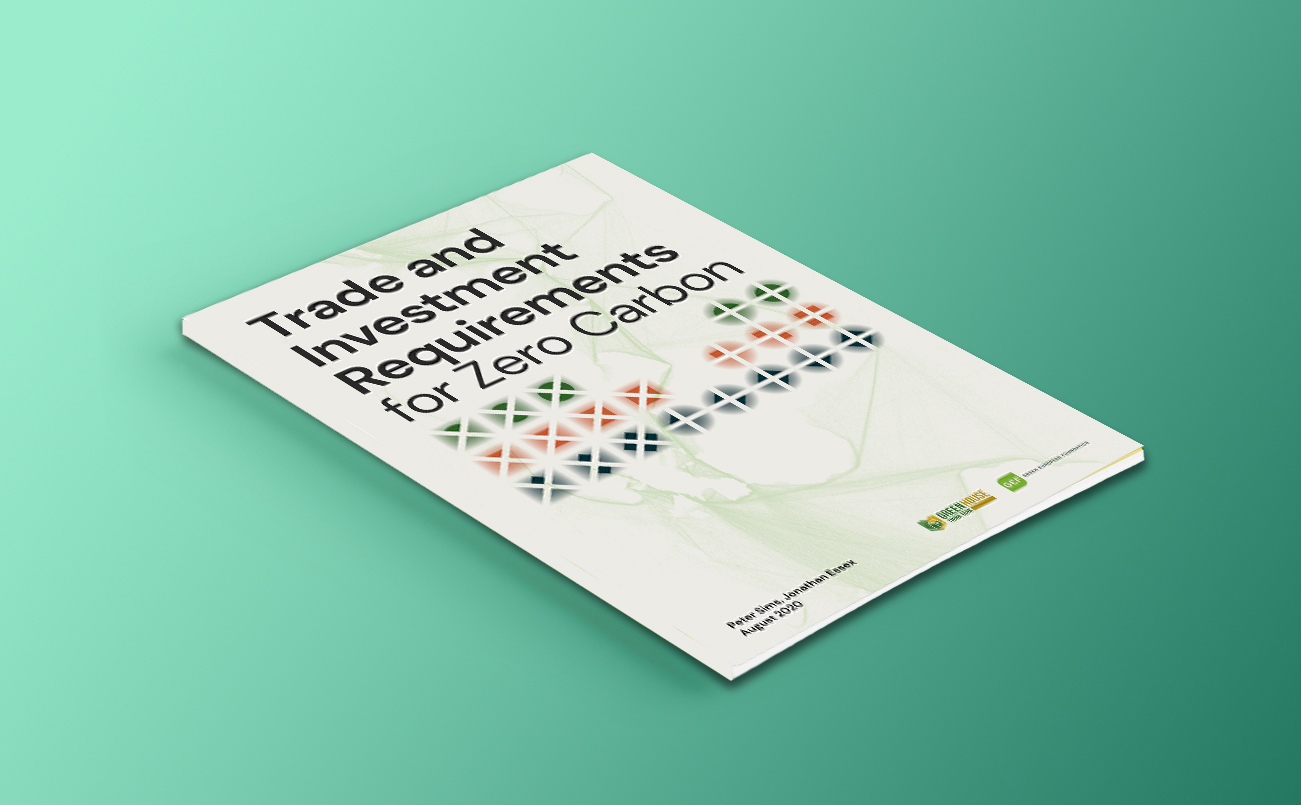
Trade and Investment Requirements for Zero Carbon

By Uncategorized

As moves are being made to introduce a Climate & Ecological Emergency Bill in the UK, and a new Trade Bill is progressing through parliament post-Brexit, it’s an important time to be considering the implications of zero carbon for global trade and investment decisions. This report proposes a much-needed toolkit to help policy makers face up to climate reality and address the wider environmental impacts and the imbalances of power and wealth that underlie our global trade.

Download the technical annex here.

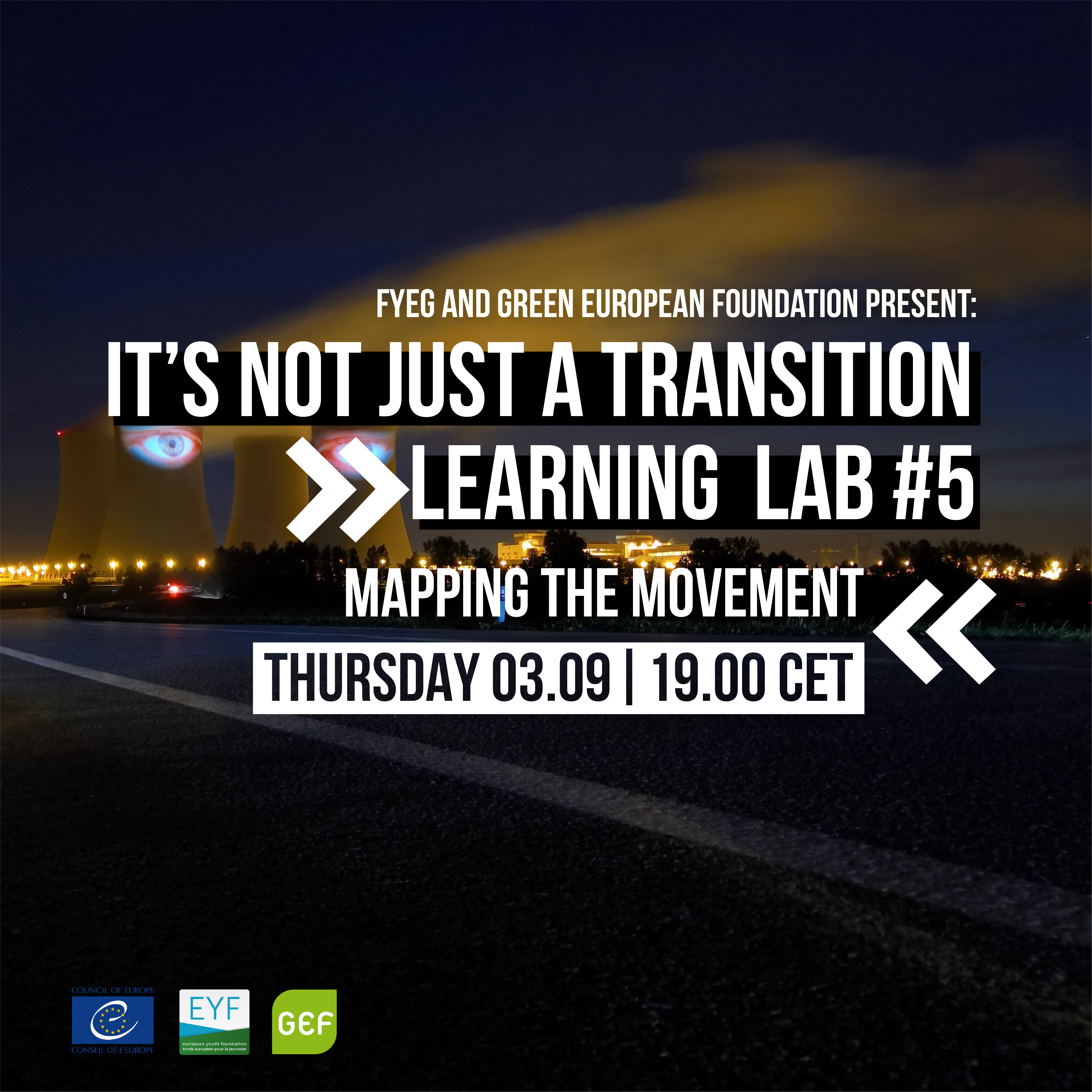
Just Transition Learning Lab: Mapping the Movement

By

About the Event:

If there’s one thing history has shown us, it’s that there is no point reinventing the wheel – if someone else has a great idea, steal it and implement it and improve upon it. This applies just as much to activism as everything else – across Europe and the world there are probably thousands of great just transition initiatives happening that could be implemented everywhere. This webinar will help with this issue – using interactive online software you’ll map out some of the best of these initiatives and be able to steal their best ideas.

This webinar aims at mapping youth-led initiatives that are leading the process of a just transition across Europe. We will use an interactive digital map to gather and explore input from Young Greens and for the production of the Green Principles for a just transition.

Participants will have some dedicated time to explore already mapped initiatives in groups divided based on focus (energy, transport and food) and discuss with fellow youngsters whether these practices would be fit in their communities or not, and why.

We will also be joined by two or three guest speakers who will share their experience of working on campaigning for a just transition from a youth and activist perspective and the challenges at the policy level.

Context:

This webinar is part of the Green European Foundation’s Just Transition transnational project. The project looks into the question of transforming from an extractive to a regenerative economy in a just and equitable way to find the necessary support among the population. It seeks to show that the green family, including GEF in its specific role, is a leading actor in the development of future-proof politics and policies, developed in a sensitive way that keeps in mind local specificities.

Speakers:

Sinéad Merciers is a recent consultant in just transition policy and climate change law at the Irish Human Rights and Equality Commission. Her specific interest focuses on energy law and building collaborative engagement structures around the just transition to a low carbon future.

Frida Kieninger is a Brussels-based Food & Water Europe campaign officer promoting a ban on fracking in Europe. After completing her master’s thesis on intensive agriculture in southern Spain, Frida became involved with issues concerning the European food system as well as the transition to a sustainable energy system, community energy and questions of climate justice.

Programme:

19:00 Participants join the call

19:00-19:05 Introduction

19:05-19:40 NFE session to explore Just Transition youth-led initiatives on MapHub

19:40-20:20 Panel discussion

20:20-20:30 Q&A

Practicalities:

The Learning Lab is open to young people from across Europe.  Apply via this form.

Details and the link to the call will be sent via email on the day of the event.

This event is part of our Just Transition project and is organised by the Green European Foundation with the support of the Federation of Young European Greens.

With the financial support of the European Parliament to the Green European Foundation. The European Parliament is not responsible for the content of this event.

Ecotransformation 2020 Summer School (Kostelec nad Černými lesy)

By

About the Event:

The transition to a sustainable, carbon-neutral future is a central theme of current European policy. Tackling the climate crisis – mitigating climate change and adapting to its inevitable effects – is one of the biggest challenges on this path.

We know how to do it. But can we convince others of that? Can we reach out to the important public and private partners and convince them that the transition to a sustainable economy is also in their interests? And does green politics go hand in hand with activism?

It turns out that we need to change the way we communicate on environmental issues. More and more people are aware of the threat of climate change, but it is difficult for them to imagine how to deal with it effectively. They need to hear a new story. The story of how we can handle the crisis together.

We cordially invite all those who are interested in green policy and want to take an active part in promoting to Ecotransformation 2020, a weekend full of interesting seminars, debates, presentations and experiential workshops grouped around several main topics:

  • Urban climate crisis and what to do about it: how to transform our cities to be better prepared for climate change and to actively contribute to reducing emissions.
  • Transforming the approach to landscape management: how to heal our landscape and increase its resilience to ongoing change.
  • Changing ways of communicating the climate crisis and other environmental topics: using the knowledge of ecopsychology and the art of telling the story of positive change.
  • Transformation of Czech ecological policy into a successful project – the role of activism, inspiration from neighbouring countries.

 Speakers:

  • Carmine Rodi – trainer, facilitator and consultant, an expert in communication skills, public speaking and storytelling techniques.
  • Helena Truchlá – editor of Aktuálně.cz
  • Ondráš Přibyla – founder of faktaoklimatu
  • Petra Kolínská – Zelený kruh (association of Czech ecological NGOs)
  • Martin Ander – Partnership Foundation (Nadace Partnerství)
  • Zuzana Pavelková – Federation of European Young Greens

Additional speakers may be announced.

Programme:

Thursday, 23 July

Public debate: Million Moments for Climate

Friday, 24 July

Climate change adaptation of cities

  • The new building law as one of the tools to solve the climate crisis? (Petra Kolínská – Zelený kruh)
  • Climate emergency – how cities respond to climate change (Martin Ander – Nadace partnerství)
  • Solutions to heat and drought in cities – LIFE TreeCheck project (Dita Tesařová – Nadace partnerství)
  • Blue-green-grey infrastructure (Jitka Češková – Pardubické ekologické forum)
  • The transition of cities to renewable energy (Jan Krčmář – Solární asociace)
  • Sustainable mobility (Roman Meliška – Consultant in Urban Mobility)

Adapting landscape to climate change

  • Healing our landscape – the transformation of agriculture system in the face of the climate crisis (TBC)

Communicating climate change

  • Environmental issues in the media – journalist cover of climate change (Helena Truchlá – Aktuálně.cz)
  • How to talk about the climate crisis I – project “Fakta o klimatu” (Facts about climate) (Ondráš Přibyla – Fakta o klimatu)
  • How to talk about the climate crisis II – topic management in the climate change discussion (Ondráš Přibyla – Fakta o klimatu)

Saturday, 25 July

Storytelling – introducing environmental topics to the public

  • Workshop, in English (Carmine Rodi – lecturer of storytelling)

Using videos in environmental activism

  • Workshop, in Czech (Petr Salaba – photographer and documentary filmmaker)

Transforming green politics into a successful project

  • Sharing European experience (Wojciech Kubalewski – Co-Chair of Green Party Poland)
  • European cooperation on environmental policies / European Green Deal (Kateřina Davidová – EUROPEUM Institute for European Policy, additional speakers to be announced)
  • The relationship between activism, the non-profit sector, and politics (debate with guests from across the environmental movement, to be announced)
  • How to involve young people in politics (Zuzana Pavelková – Federation of Young European Greens)

Sunday, 26 July

Workshop: Ideas for sustainable economic recovery at the urban level

Open Space

See the detailed programme here.


The summer school is organized the Green European Foundation with the support of the Institute of Active Citizenship and the financial support of the European Parliament to the Green European Foundation.


Just Transition

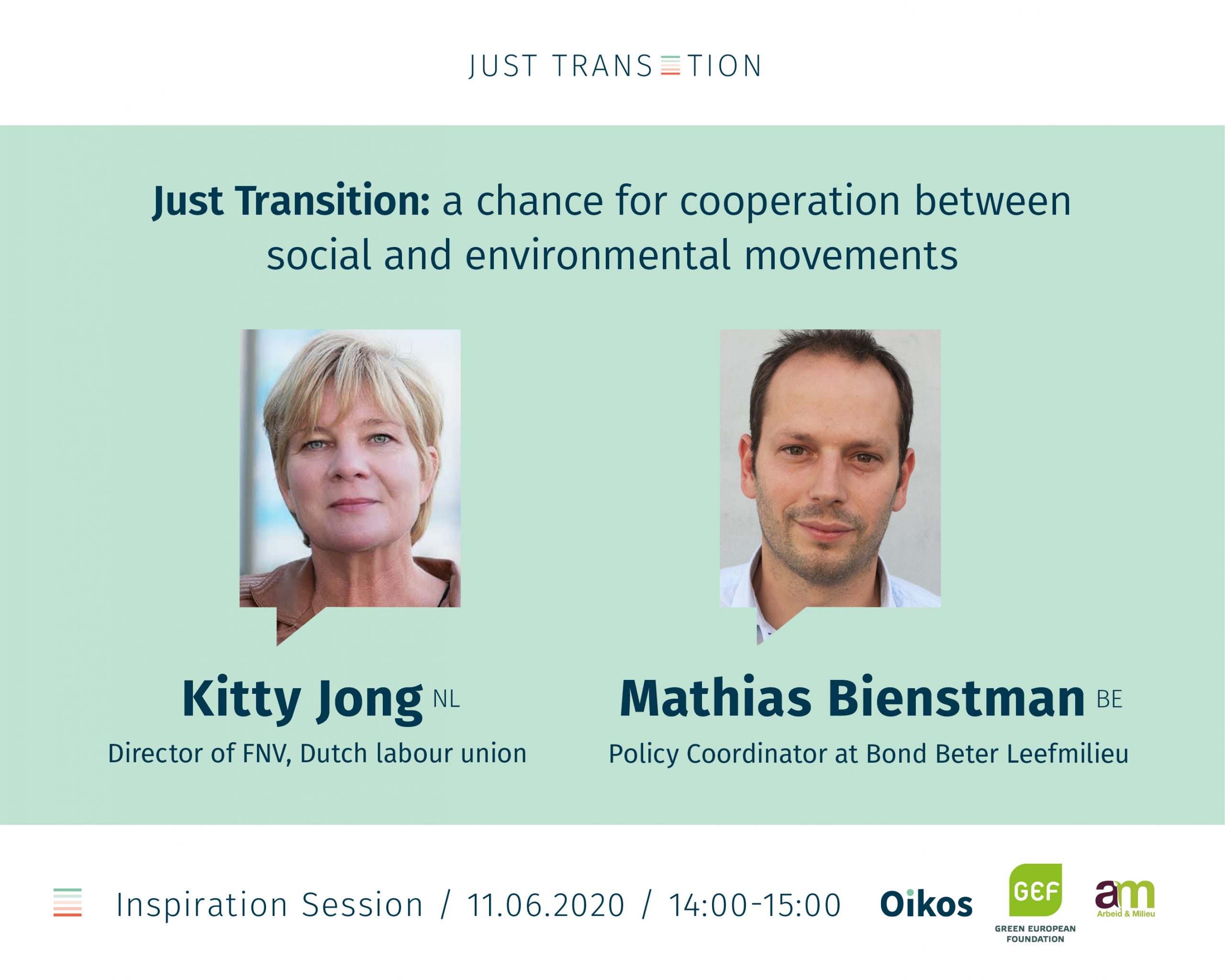
Just Transition: a chance for cooperation between social and environmental movements

By

About the Event:

With their demand for a Just Transition, trade unions point out the importance of sufficient and decent jobs. The phase-out or conversion of fossil fuel-based industries requires the creation of new and decent jobs in climate neutral economic activities. This focus on the social dimension of transition has been picked up well in recent years by environmental and climate movements. New forms of cooperation are emerging, such as in the Netherlands in the context of the Climate Tables and in Belgium around a joint position on the future of aviation. This can strengthen civil society as such, and in its role of driving the transition to a socio-ecological society.

In this second webinar of our Just Transition series, we will delve further into this topic with two experts from the social and environmental movements.

Context:

The Just Transition project has as its aim to inspire and inform citizens about the implications of a just transition to a highly sustainable economy, which involves more than technical measures. We need a new economic system that cares for people and the planet, in which all costs and benefits are fairly distributed. How do we sustainably transform our labour market? How do we make sure the transition to renewables is inclusive and equitable? These are some of the questions we try to answer.

Speakers:

Kitty Jong (Director at FNV, the biggest Dutch labour union federation)

Mathias Bienstman (Policy Coordinator at Bond Beter Leefmilieu, a Flemish network-organisation facilitating the transition to a more sustainable society and circular economy)

Practicalities:

This is an open webinar. Please register here to receive an event reminder and further details on how to join in.


This event is organised by the Green European Foundation with the support of Oikos Think Tank and with the financial support of the European Parliament to the Green European Foundation. The European Parliament is not responsible for the content of this video.

Just Transition (Kickoff)

By

About the Event:

To introduce the concept of Just Transition to a wider audience, Oikos and the Green European Foundation invite Béla Galgóczi, senior researcher at ETUI (European Trade Union Institute). In this online interview, Béla will explain to us what Just Transition really means, and which currents and recent developments there are. He will also give some concrete examples from the world of work.

Context:

The Just Transition project has as its aim to inspire and inform citizens about the implications of a just transition to a highly sustainable economy, which involves more than technical measures. We need a new economic system that cares for people and the planet, in which all costs and benefits are fairly distributed. How do we sustainably transform our labour market? How do we make sure the transition to renewables is inclusive and equitable? These are some of the questions we try to answer.

Speakers:

Béla Galgóczi, ETUI (European Trade Union Institute)

Interviewer: Dirk Holemans (Oikos)

Practicalities:

This is an open webinar. Please register here to receive an event reminder and further details on how to join in.


This event is organised by the Green European Foundation with the support of Oikos Think Tank and with the financial support of the European Parliament to the Green European Foundation.