Enough: Thriving Societies Beyond Growth (Stockholm)

By

About the event:

Who is afraid of degrowth? The term alone throws mainstream opinion makers and many economists in Europe into a panic. Growth is the lubricant of capitalism. We are told that if the economy is growing, all is well. But what do we mean by growth? Should everything keep growing endlessly? The ecological crisis shows that infinite growth on a finite planet is impossible. Meanwhile, the current economic system fails to secure livelihoods and exacerbates inequalities. There is an alternative to this self-destructive system: an economy of enough, which would provide for everyone’s basic needs while addressing greed and overconsumption. The EU has the potential to lead the ecological transition – but we need to envision a different European economy, rooted in a new paradigm, before we can build it.

In Enough, the authors build on the work of visionaries, both past and present, recognising that Earth is on loan to us from future generations. They explore how societies can thrive without depending on economic growth. The essay presents a compelling vision: fewer private jets, less inequality, fewer burnouts, and reduced waste, alongside more quality of life, more time for each other, more sustainable products, and a healthier planet. In other words, it provides the keys to imagining a different Europe – one that ensures a good life for everyone within the planet’s limits.

At this book launch event, we will dive deeper into what this means in practice. How are principles of sufficiency and an “economy of enough” already reflected in local initiatives and policy proposals today? What are the levers of change, within and outside of political institutions? And how do we make sure that this vision of thriving beyond growth resonates and really does not leave anyone behind, especially at a time when socio-economic fears are framed directly in opposition to climate policy and a green transition?

Project background:

In early 2024, GEF released Enough: Thriving Societies Beyond Growth. This publication sought to spotlight many of the ideas that the foundation has been exploring on post-growth and a just green and social deal, presenting them in an accessible and inspiring booklet. Now, we are taking it on a tour to spark conversations across the continent on how Europe can reconcile social and ecological justice in a wellbeing project for all with sufficiency.

Programme and speakers

Author Dirk Holemans will be joined in the panel by:

  • Rebecka Le Moine – member of the Swedish Parliament for the Green Party.
  • Åsa Callmer – PhD, sufficiency expert

Moderated by Isadora Wronski  – Project Leader Wellbeing Economy, Greenpeace International

Practicalities

Date and Time: Monday 20 January 18:30-20:30 CET
Free vegan soup, bread and coffee from 17:30 CET
Venue open for mingle from 16:30 and closes 21:30.
Location: Allaktivitetshuset, Sturegatan 10, next to Sundbyberg station, Stockholm, and online to this link
Language: English
Registration: Please register in advance via this link. This is a hybrid event, so you can also join us online. However, you must register in advance to receive the meeting link, or access the venue.


This book launch is organised by the Green European Foundation with the support of Cogito and with the financial support of the European Parliament to the Green European Foundation.
Green Approaches to Security and Defence

By Publications

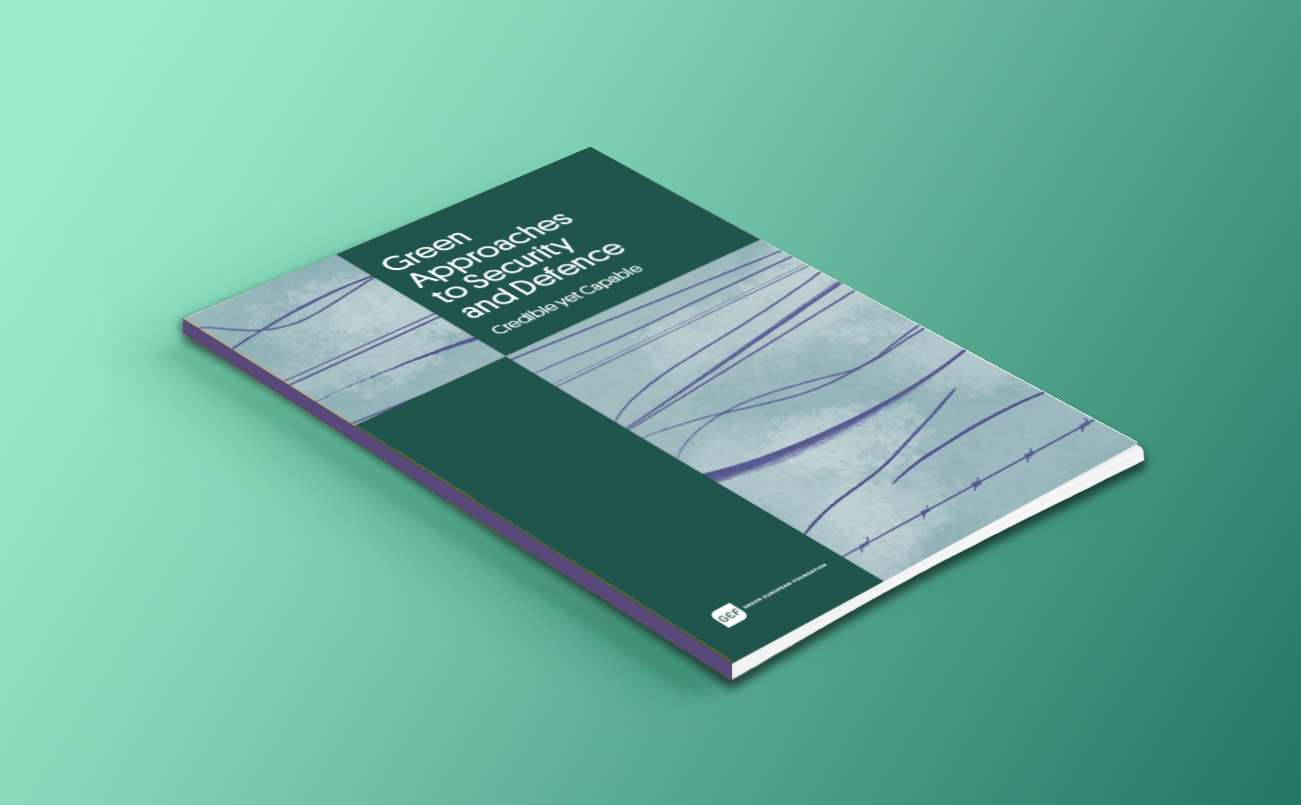
In a shifting geopolitical landscape, Greens are grappling with the interplay between their traditional pacifist roots and the post-February 2022 security challenges. This report delves into their evolving stances on key defence issues, from EU military cooperation to disarmament, offering insights into the varied approaches adopted by Green parties from eight EU countries. Expert viewpoints featured throughout provide further feedback and inputs as to what a Green defence policy could (or should) look like. As Europe navigates turbulent waters, the report calls for renewed commitment to progressive and principled approaches to security and defence.

The report is structured into five chapters that address important EU military challenges. They portray a nuanced understanding of European security dynamics among Green parties, reflecting varying national contexts, strategic cultures, and historical perspectives. This report thus provides a clear mapping of green defence thinking across Europe, including points of convergence, gaps, and tensions. Complemented by the expert views, it gives a solid basis for further discussion within and beyond the Greens, to strengthen defence and security policy while maintaining a critical and progressive voice, even in uncertain times.

Chapter 1 delves into the complex institutional landscape of security and defence in Europe. It examines the debates surrounding the identity of the EU and looks at the respective roles of the EU and NATO as security providers.

Chapter 2 focuses on military expenditures and budget allocation. It discusses differing perspectives among Green parties on the use of GDP to set defence government budgets and on how these should be allocated.

Chapter 3 explores Green parties’ opinions on defence industrial policies broadly understood. It examines Green positions on grant programs put in place by the EU and shows diverging opinions on the allocation of public funds to industry.

Chapter 4 analyses positions on nuclear deterrence, disarmament, and arms control. Green parties generally continue to oppose the doctrine of nuclear deterrence, but the war in Ukraine has led some to revise their position on its effectiveness.

Chapter 5 delves into the intertwined concepts of civic militarism, civil protection and non-violence; their implications for military involvement in security as well as civilian participation to defence.


This report is a call to action for Green parties to embrace their role as catalysts for progressive security policies. By navigating the complexities of modern security with creativity, Greens can contribute to shaping a peace-oriented, sustainable, and common European security architecture.


About the authors

Agatha Verdebout is a researcher and deputy director at GRIP. Her main area of expertise is international peace and security law.

Anne Xuan Nguyen is a researcher at GRIP. Working more broadly on security and environmental issues, she specializes in conflict-related pollution and its remediation.


This report is also available in:

GreekGerman


This study was conducted by the Green European Foundation with the support of Etopia , Cogito , Cooperation and Development Network Eastern Europe, and Sustainable Development Forum Green Window . The study was commissioned by GEF to the Groupe de recherche et d’information sur la paix et la sécurité (GRIP). It is published with the financial support of the European Parliament to the Green European Foundation. The views expressed in this publication are solely those of the authors and do not necessarily reflect the views of the European Parliament or the Green European Foundation.

Navigating NATO

By Publications

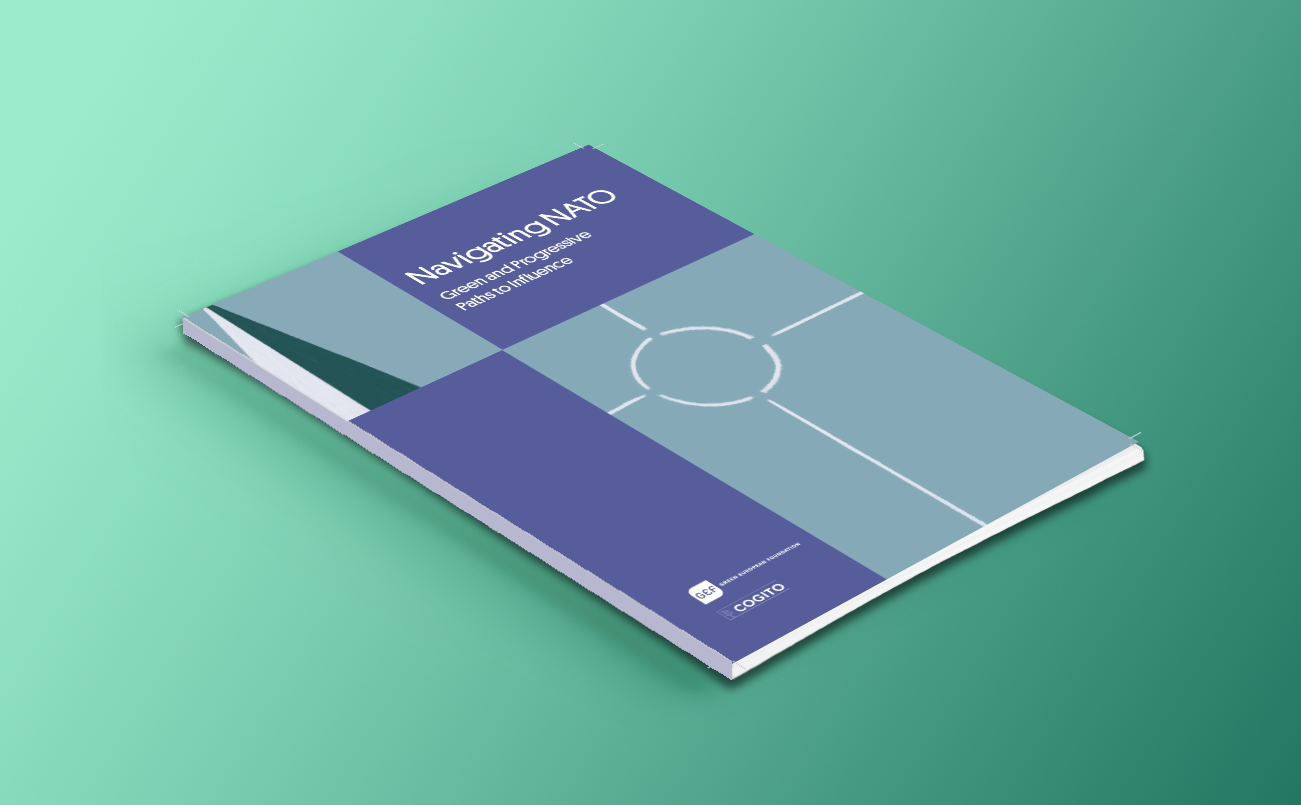
Green and progressive parties across Europe have historically held a sceptical view towards the military industry and defence alliances such as NATO. Russia’s war of aggression against Ukraine spotlighted existing security vulnerabilities and profoundly shifted the public and political debate. In this context, Greens may have differing attitudes towards NATO, but find themselves in the political reality of not if but how to engage within it. Based on desk research and expert interviews from ten European countries, this report explores different ways that greens and progressives can influence NATO, and the risks and opportunities this entails.


It is important to bring alternative thinking into mainstream and conservative security spaces, and with more Greens in parliaments and governments across the continent, there is both the room and need for greater influence and expertise.


About the author

Sarah Bitamazire

Sarah Bitamazire is a policy expert on international human rights law and foreign policy work in conflict and high-risk environments. She is currently Chief Policy Officer at Lumiera, a boutique advisory firm with policy, tech, and business expertise that equips organisations with responsible AI strategies. Prior to this she was at the heart of the Swedish policy debate on defence and foreign affairs, developing policy ideas for the Swedish Greens. Sarah is specialised in Public International Law and Human Rights Law, and holds a Law Degree from Uppsala University and Leiden University.


This report is also available in:

GreekGerman


This study was conducted by the Green European Foundation with the support of Cogito. It is published with the financial support of the European Parliament to the Green European Foundation. The views expressed in this publication are solely those of the authors and do not necessarily reflect the views of the European Parliament or the Green European Foundation.

How Can Greens and Progressives Influence NATO? (Örebro)

By

About the event

Green and progressive parties across Europe have historically held a sceptical view towards NATO, with many deeming such a military alliance incompatible with disarmament and a shift towards non-military solutions to international conflicts.  

Yet with Sweden next in line to join NATO, there is a need to reckon with and respond to the current political reality, without losing track of the underlying values that guide our peace and security stances. 

To contribute to this crucial European debate, GEF commissioned a report, with the support of Cogito, that maps out stances towards NATO across Europe, but more importantly explores how greens and progressives can influence NATO in line with their own visions and priorities.   

Participants at this seminar will receive copies of the working paper and discuss its findings, guided by insights and reactions from our expert panel. 

Project background

With a focus on the Eastern flank of Europe, the 2022-2023 debates series seeks to enrich green and political ecology discourse. The series aim to provide spaces to hear the voices of green actors, peace and security experts, as well as partners from different regions. With the support of Cogito, GEF is delving specifically into the question of NATO and anchoring the green movement’s debates on this topic within its many historical and geographical dimensions. 

Speakers

  • Bodil Valero – former Green MEP, G100 Global Chair on Security and Defence  
  • Henrik Jalalian – Director of Swedish green think tank Cogito 
  • Jacob Risberg – Green MP and international spokesperson 
  • Sien Hasker – Programme Manager at the Green European Foundation 

Practicalities

Date and Time: November 18th (20:30 – 21:15 CET) 

Location: Olof Palmes Torg 1, 702 22 Örebro. Room: Mältaren 

Language: Swedish (with brief introductory remarks in English)   


This seminar is organised by the Green European Foundation, with the support of Cogito and the financial support of the European Parliament to the Green European Foundation.  

How Can Greens and Progressives Influence NATO?

By

About the event: 

Green and progressive parties across Europe have historically held a sceptical view towards NATO, with many deeming such a military alliance incompatible with disarmament and a shift towards non-military solutions to international conflicts.  

The Russian war of aggression against Ukraine shifted some of these stances, prompting extensive internal and external debates within the green movement, particularly in Western and Northern Europe. These debates have cast a light on the desperate need for a green and progressive policy path within security and defence issues, and revealed gaps that exist within green and progressive parties’ positions on military defence.  

To contribute to this crucial European debate, GEF commissioned a report with the support of Cogito that maps out stances towards NATO across Europe, explores how Greens and progressives can influence NATO, and asks specific questions around topics like nuclear disarmament or focusing on European defence cooperation instead.  

This webinar will present some key findings of the working paper, and discuss these questions further with a panel of interviewees.   

Project background: 

With a focus on the Eastern flank of Europe, the 2022-2023 debates series seeks to enrich green and political ecology discourse. The series aim to provide spaces to hear the voices of green actors, peace and security experts, as well as partners from different regions. With the support of Cogito, GEF is delving specifically into the question of NATO and anchoring the green movement’s debates on this topic within its many historical and geographical dimensions. 

Speakers:

  • Jacob Risberg, Miljöpartiet de gröna 
  • Atte Harjanne, Vihreät  
  • Merle Spellerberg, Bündnis 90/Die Grünen 
  • Andrés Ingi, Píratar 
  • Moderated by Sarah Bitamazire (report author) 

Practicalities: 

Date and Time: November 8th (20:30 – 22:00 CET) 

Language: English   

Registration: This is an online event, please register in advance via this link. 


This webinar is organised by the Green European Foundation, with the support of Cogito and the financial support of the European Parliament to the Green European Foundation. 
Metals for a Green and Digital Europe (Stockholm)

By

About the Event

This event will consist of debate between think tanks and academics on the Swedish version of the GEF publication Metals for a Green and Digital Europe – An Agenda for Action.  The debate will involve an open conversation of mineral use with a particular look at the role of the indigenous population in Sweden (Sapmi).

Context

This event is organised as part of the launch of the Swedish translation of the report Metals for a Green and Digital Europe – An Agenda for Action.

Speakers

Speaker: Richard Wouters, Wetenschappelijk Bureau, GroenLinks.

Panelists:

  • Kalle Sundin, policy officer at the think tank KatalysIsadora Wronski, senior strategist Greenpeace
  • Charles Berkow, Cogito
  • May-Britt Öhman, Associate Professor of Environmental History, Uppsala University
  • Maria Sunér, managing director Svemin

Moderator: Henrik Jalalian, Cogito

Practicalities

Date and time: 12 December 18:00 – 19:30 PM

Format: In person event

Audience: This debate will take place in Swedish language and is open to the general public

Registration: Registrations will open shortly


This project is organised by the Green European Foundation with the support of Cogito with the financial support of the European Parliament to the Green European Foundation. The European Parliament is not responsible for the content of this event.
Ten Thoughts on Growth

By Uncategorized

With the ongoing Covid-crisis, it has become clear that “business as usual” is no longer an option, as the effects will be felt for years to come. Yet still, governments remain obsessed with growth based on GDP.

In this report, Mikael Malmaeus (board member in Cogito and researcher at The Swedish Environmental Research Institute) uncovers and clarifies the concepts of growth, their meaning and impact with the purpose to enable a meaningful, forward looking and insightful discussion on preferred futures and where to start to get there. With this collaboration, GEF and Cogito hope to contribute to a clear and comprehensive discussion on growth today and tomorrow, and to inspire actionable insight.

Download

Available in Polish

Available in Czech

Available in Albanian

Available in Turkish

Understanding growth in different ways – the implications of transcending the growth paradigm in Europe 

By

About this event

For the launch of the Ten thoughts on Growth report, written by the economist and environmental researcher Mikael Malmaeus and published by GEF and Cogito, we will be holding a webinar to discuss the concept of growth from different angles. When the vaccine has reached out in society we can expect a recovery of the economy. The European Green Deal is one of many initiatives on how we are to invest to come to a green recovery, but will we keep within planetary boundaries?

The discussion around sustainability and growth often ends up in confusion and locked positions. The purpose of this report is to clarify where we should reach consensus, and where we have the essential lines of conflicts in our thoughts on growth.


Speakers

  • Mikael Malmaeus – Author of the report, board member in Cogito and researcher at The Swedish Environmental Research Institute
  • Klas Eklund – Senior Economist and author with a background as a Chief Economist of SEB. 2001-2010 he was a member of the European Commission’s Group of Economic Policy Analysis. He has written several books on economic growth and sustainability
  • Magda Rasmusson – economist and political expert with the minister of financial markets and former spokesperson for the Young Greens in Sweden


Moderator

  • Maria Wetterstrand – CEO of Milton Europe in Brussels, opinion leader on environment and policy, former leader of the Green Party Sweden


Practicalities

When? Wednesday March 24th 18.00-19.00

Where?  https://us02web.zoom.us/j/89869853908

Language

Please note this webinar will be in Swedish language only

The Potential Impact of Brexit on the Prospects for a Green Transition in Europe

By Uncategorized

Context

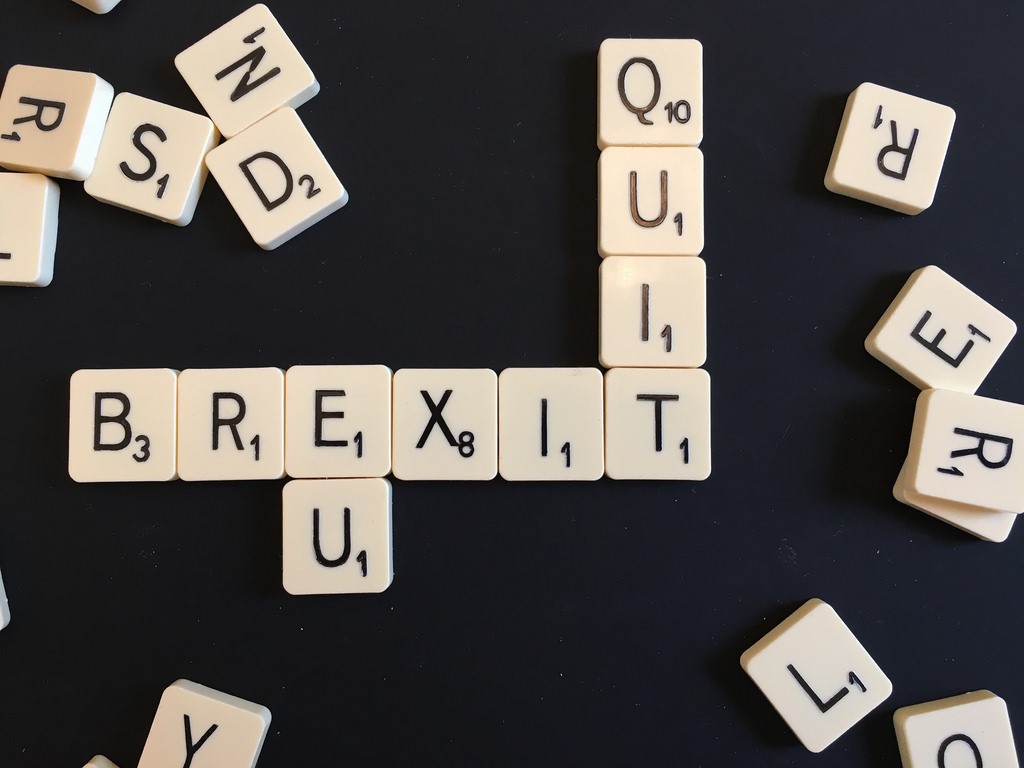
In a referendum on 23 June 2016, 51.9% of the participating UK electorate (the turnout was 72.2% of the electorate) voted to leave the EU. On 29 March 2017, the British government invoked Article 50 of the Treaty on the European Union. The UK is thus on course to leave the EU on 29 March 2019.

This event has enormous implications not only for the future of the EU as a polity, but also for the green transition to a sustainable society and economy which is the fundamental aim shared by Green parties across Europe. The Green European Foundation therefore decided, with the help of its national project partner organisations, coordinated by Green House think tank in the UK, to hold a series of public discussion events over the course of 2017 to explore those implications.

About the project

The project aimed to examine these questions on a comparative European basis, involving selected EU member states for which Brexit raises particularly pressing issues, related either to their relationship with the UK or to their own national political situation (or both).

The rationale behind the project was two-fold. Firstly, it was intended to provide a platform for the exploration of the possible short- and medium-term impacts of Brexit on environmental and economic policies directly affecting the transition to sustainability, both in the UK and in the rest of Europe. Secondly, it was motivated by the belief that the Brexit decision in the UK raises urgent and difficult questions about the continuing coherence and effectiveness of the EU as a polity, at least in its current form, and whether it still represents the best vehicle for the achievement of sustainability in Europe in the long term.

The results and key finding are summarised in this paper. Free digital version is available for download below.

“After Brexit?” Debate in Stockholm

By

The event is a part of the ongoing transnational project “The potential impact of Brexit on the prospects for a Green transition in Europe” which attempts to support the much-needed public discussion of Brexit’s impact on individual Member States, as well as on the EU level, while exploring what this means for the Green movements’ endeavour in the transition to sustainability.

Debate

In this event, we will provide space about potentials impacts of Brexit in the Swedish and European context. The discussion will have a special focus on the areas of environmental cooperation, trade and exchange. It will feature prominent speakers engaged with the topic, such as:

  • Caroline Lucas – Party leader of the Green Party of England and Wales;
  • Max Andersson – Green MEP from Sweden;
  • Johan Kuylenstierna – Policy Director at Stockholm Environment Institute.

The debate will be moderated by Swedish politician Maria Wetterstrand.

The participation in the even is free of charge.

A Third Sector in Welfare

By Uncategorized

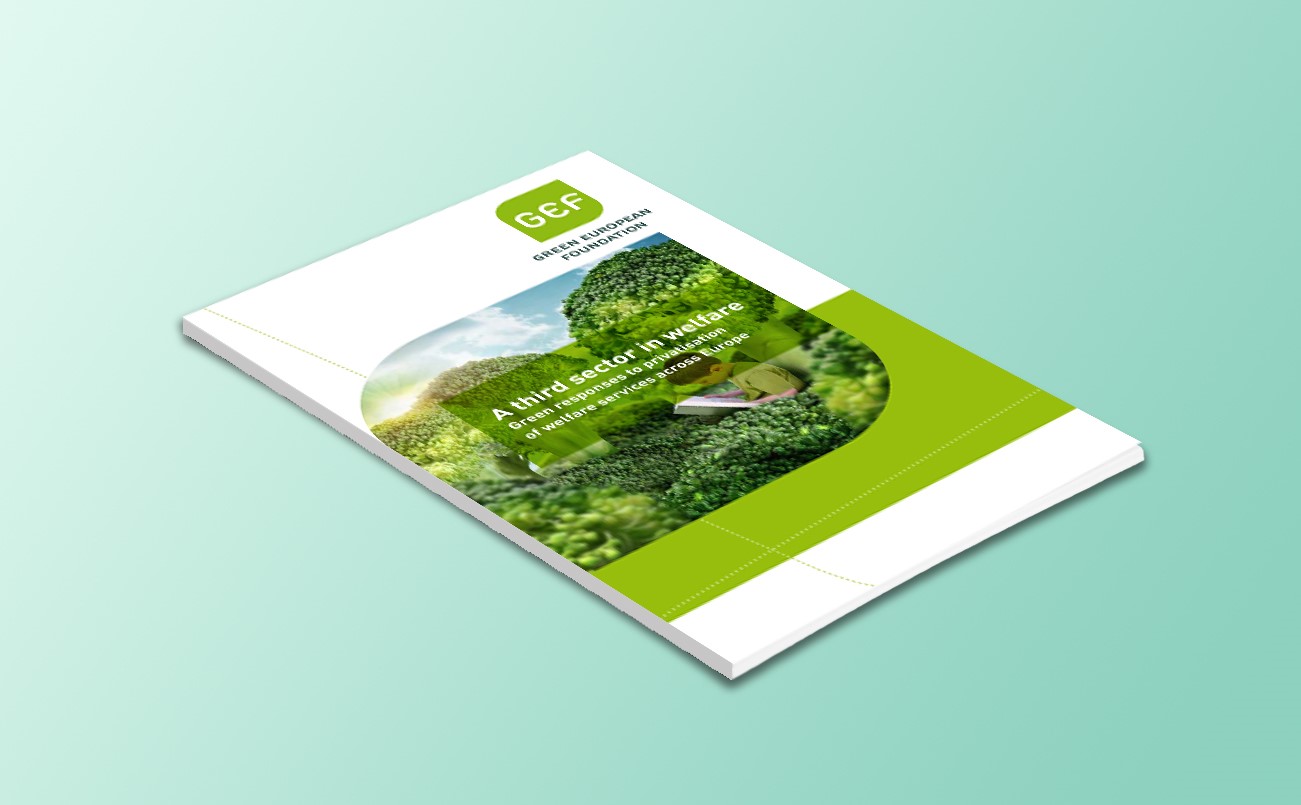
The Euro crisis has shown that the organisation and financing of welfare is of overwhelming importance for the development of European cooperation. Demographical changes, low efficiency, rigid bureaucracies, old traditions and strained public finances are creating new challenges. In many countries, thousands of small decisions have resulted in a paradigm shift from public to private ownership in the welfare sector, without a democratically legitimised general policy.

Public opinion has been taken by surprise and a counter-reaction has emerged in many countries. However, this counter-reaction has several different political colours, some being progressive and left-wing, and others being populist and right-wing.

The report, ‘A third sector in welfare: Green responses to privatisation of welfare services across Europe’, provides an overview of developments related to privatisation of the public welfare sector and the policies of Greens in five countries – United Kingdom, Germany, Hungary, Spain and Sweden – in response to this transformation.

Karl Palmas describes how the UK has always exerted a strong influence on other European countries with its social policies, while Frida Johnsson explains how a new wave of privatisation in Sweden is affecting the country’s social model, and how Germany has traditionally been seen to occupy a middle ground on private sector involvement. Erzsébet Gergely and Zoltán Zarándy highlight the difficulties faced by Hungary in overcoming its history of strong state involvement under communism, while Reyes Montiel gives an overview of the challenges facing Spain, where the welfare state remains in a weak position.

‘Civilisation’ of the EU. A way for the EU to do more for world peace?

By Uncategorized

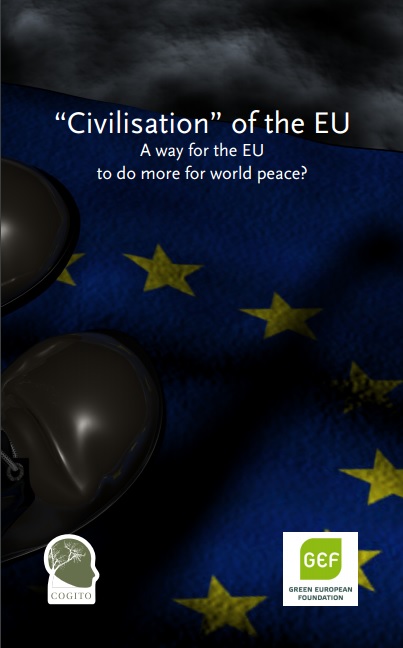
The study points out the difficulties that arise from the role of the EU as a promoter of world peace and the EU’s progressive investments in military activities. To give but one example, already in 1999, the European Parliament took initial steps towards establishing a European Civilian Peace Corps (ECPC). To date, no tangible results have been obtained and in the spring of 2009 the EP reiterated its demand that the ECPC be set-up. On the other hand, during the same ten-year period, the EU established a military apparatus in Brussels and has dispatched EU soldiers on a number of EU military missions. This seems to convey the message that the European Union gives priority to military actions over peace promotion missions. Confronted with the reality of European peace missions, do we have to conclude that there is a serious lack of support for the civilian option in reality?

Civilian oriented peace operations

The report aims to provide a factual picture of the European Union’s contributions to peace, with an emphasis on its civilian aspects (the status of these contributions, their impact and the possibilities for their further development). The ambition is to spark a debate on the role of the EU and its potential impact in the area of civilian peace operations. In other words, the report recommends bringing the ‘civilisation’ of EU peace missions to the core of the discussions on the EU’s role in peace-keeping and peace-building around the globe.