Creating Eco-Societies through Urban Commons Transitions (Brussels)

By

Context: Towards socio-ecological societies

Cities are becoming a new and hopeful transnational governance level. They are organising themselves in a whole tissue of networks (Fearless Cities, Fabcities, etc.), working together in domains like climate policy, renewable energy and urban economy.

At the same time, citizens are developing a whole range of urban commons, based on co-operation and an ethics of care. Tired of only being a powerless consumer or a passive citizen, we get active as maker, urban farmer, solidarity volunteer, user of shared resources, civic or social entrepreneur, etc. This goes along with the establishment of new organisations and infrastructures like fab labs, energy co-ops, co-working spaces, urban food production plots, and many more.

In recent years, we have seen cities like Ghent and Bologna moving a step further, establishing structures and processes that aim at building synergies between the public and the commons domain. This is part of a new political vision, the Partner State. So, a partner city sustains and gives incentives to alternative civil and economic institutions, like the commons and cooperatives. The conference, as part of this year’s transnational project around Urban Commons Transitions, therefore aims to look at these developments of collaborative city-making and to examine those prototypes of transformative cities as a driving force towards socio-ecological societies.

About the Event: A conference to inspire and motivate

Lately institutions, research groups and organisations were created to investigate how commons could be integrated in a more sustainable way in the vivid networks of cities. During this conference, organised with the support of the Flemish Think Tank Oikos, experts from different projects and institutions will inspire you with their knowledge and findings about sustainable commons in cities. 

Draft Programme

19:30 – 19:40 INTRODUCTION Dirk Holemans, Director of Oikos and GEF Board member

19:40 – 20:20 THE VISION OF TWO EXPERTS Michel Bauwens & Elena De Nictolis

20:20 – 20:50 THREE STORIES ON URBAN COMMONS

Marie Haspeslagh, Enchanté – a network of warm-hearted merchants

Lucie Evers, Partago – a coop for electric car sharing – Mobility Factory

3rd speaker to be announced

20:50 – 21:10 PANEL DISCUSSION “CHANGING THE CITY”, Marie Haspeslagh, Lucie Evers, tbc

21:10 – 21:30 CLOSING PANEL “URBAN COMMONS TRANSITION”, Michel Bauwens & Elena De Nictolis

Keynote speakers

Michel Bauwens

Founder and director of the P2P Foundation and expert in peer production, governance and property. Bauwens is a well-known public speaker and thought leader. In 2017 he wrote the Commons Transition Plan for Ghent, after a similar project for Ecuador.
 

Elena De Nictolis

Research associate at LabGov, the LABoratory for the GOVernance of the City as a Commons. She prepares a Phd thesis on public policies for urban co-governance and the relation with the quality of city democracy at LUISS University of Rome.


Register now

To attend this inspiring conference, follow this link and order your tickets on the bottom of the page.

To complete your registration, transfer the entrance fee of 5 € to BE29 0015 9877 0164 (BIC: GEBA BE BB) Oikos vzw with the reference ‘Commons Congress’.


Stay tuned for updates

Subscribe to our Facebook event, where you will receive the latest news on speakers and the detailed programme, and follow us on Facebook or Twitter to learn about our other activities.
 

Call for Participants: Urban Steps for Resilient Future

By

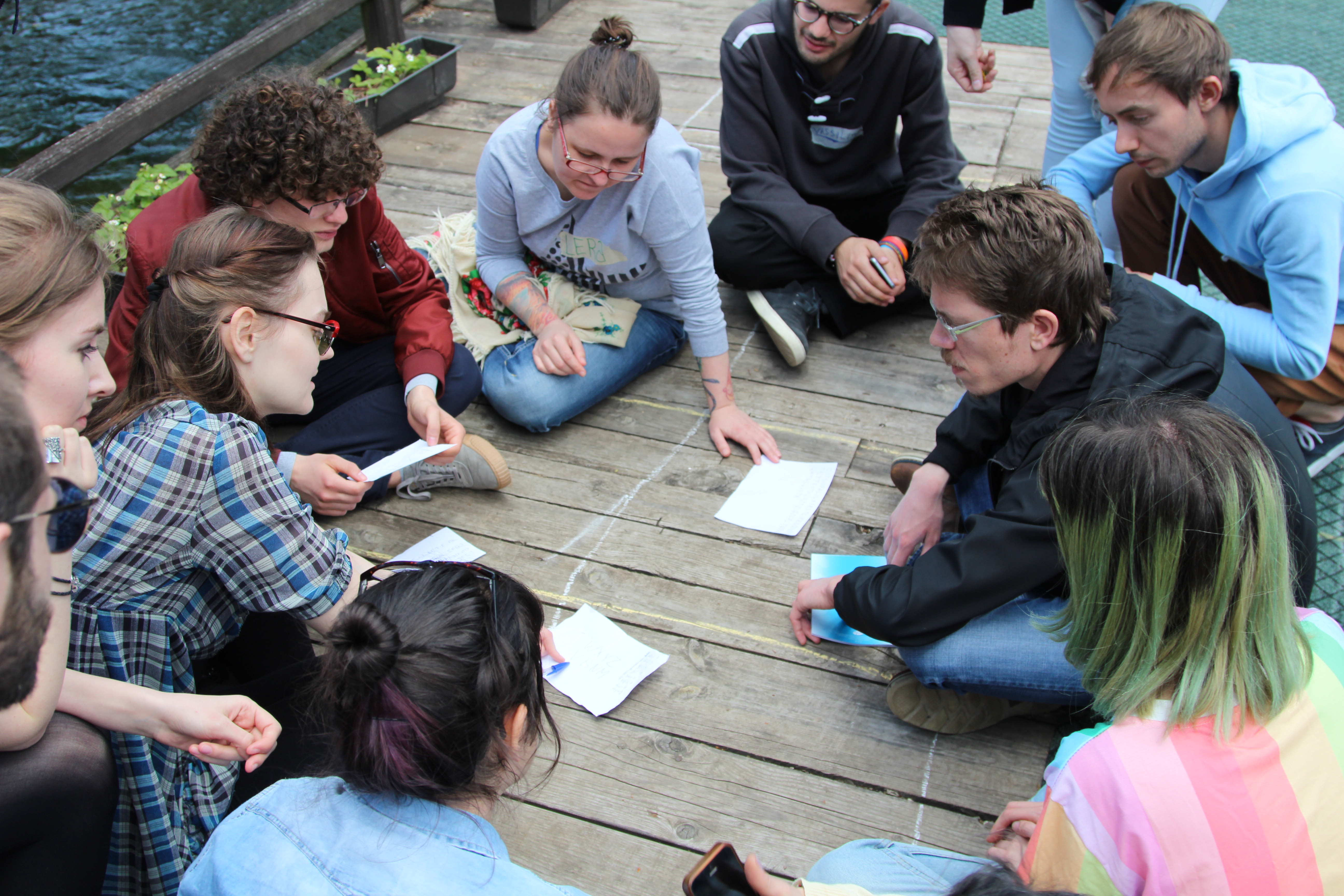
We are happy to announce the call for participants for the International Activity (Training for Trainiers) that will take place from 24-29 April near Istanbul, Turkey.

We are looking for young  and motivated people who are eager to improve Eastern European cities through alternative ways of urbanisation, as well as in mastering their skills in advocacy and project management. Participants are expected to come from one of the following 16 countries of Eastern Europe: Albania, Armenia, Azerbaijan, Belarus, Bosnia and Herzegovina, Bulgaria, Croatia, Georgia, Kosovo*, Macedonia, Moldova, Montenegro, Serbia, Turkey, Ukraine, Russian Federation.

Both urban activists with experience and people who are new to this topic but keen to develop an expertise in this field are welcome to apply. The team will select participants respecting the criteria of gender, geographical and regional balance and taking into consideration the diversity of participants’ backgrounds regarding the event’s topic. We encourage applications reflecting diversity in all forms, especially gender and sexual identity.

All sessions of the international activity will be conducted in English.

DEADLINE for submitting the application is Sunday 4th March, 2018.

You can apply using this application form.

Go to PROJECT PAGE to read more information about the full project.

*All reference to Kosovo, whether to the territory, institutions or population, in this text shall be understood in full compliance with the United Nations Security Council Resolutions 1244 and without prejudice to the status of Kosovo.

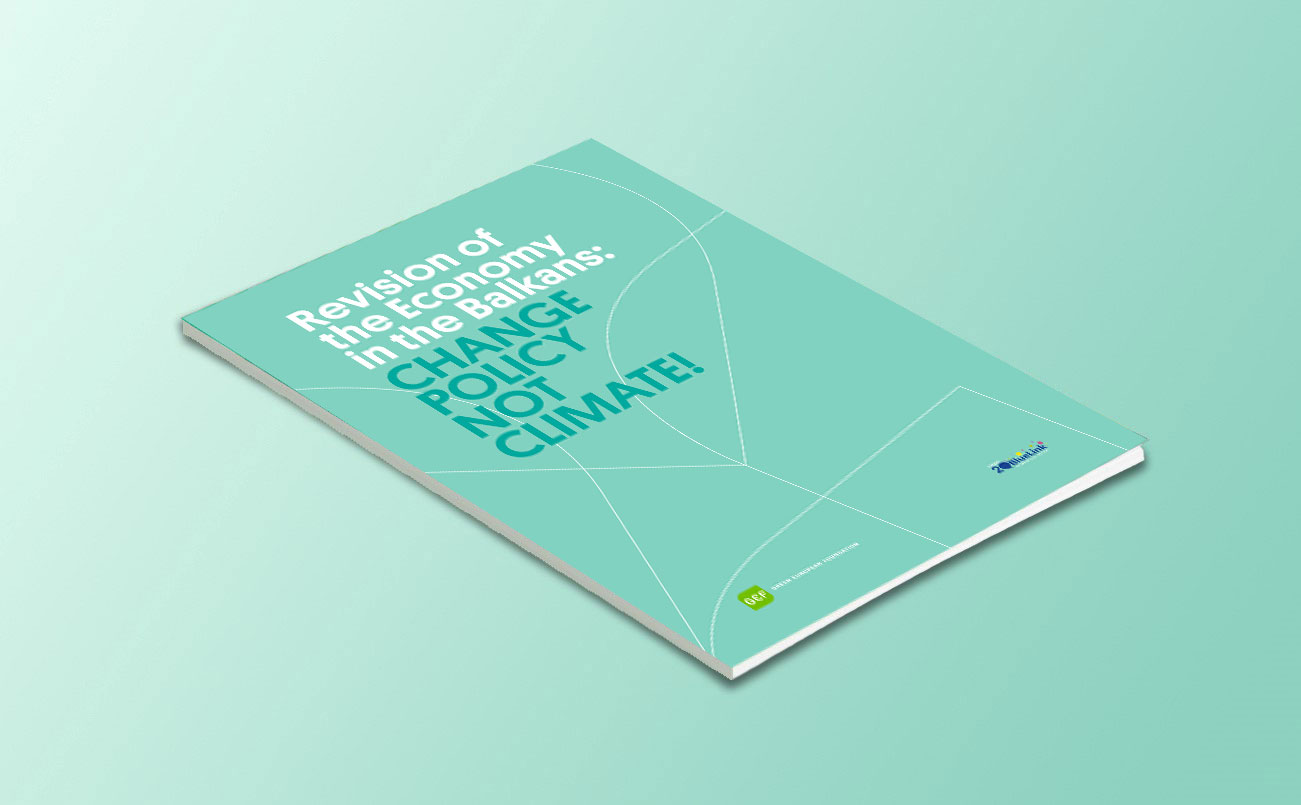
Revision of the Economy in the Balkans: CHANGE POLICY NOT CLIMATE!

By Uncategorized

This project had the aim to to raise awareness among stakeholders, politicians and the general public for the economic potential of a Green Economy, to stimulate changes in consumption and production patterns, and promote a participatory approach to policy making. The report and other project activities respond and contribute to one of the priorities for Bulgaria’s presidency of the EU in 2018: eco-innovation as a driver for economic progress.

Research goals

The purpose of the research was to accomplish the following goals set by the project:

  1. To gather best practices from the three participating countries – Serbia, Macedonia and Bulgaria – for a green economy;
  2. To showcase and promote the transformation of the economy towards environmental, low-carbon and energy-efficient production along with increasing prosperity and equity in society;
  3. To provide useful facts and arguments for Green politicians and activists to raise awareness among stakeholders, politicians and the general public about the economic potential of the green economy, to stimulate changes in consumption and production patterns, and to promote a participatory approach to policy-making.

A Democratic and Inclusive Green Economy

The research report highlights which political conditions have to be fulfilled to move towards a green economy in those three countries and compares the prospects of Serbia, Bulgaria and Macedonia in terms of social factors, legal framework and the policy framework.

Download

Digital version in English is available here

Digitial version in Bulgarian is available here

Digital version in Macedonian is available here

Digital version in Serbian is available here

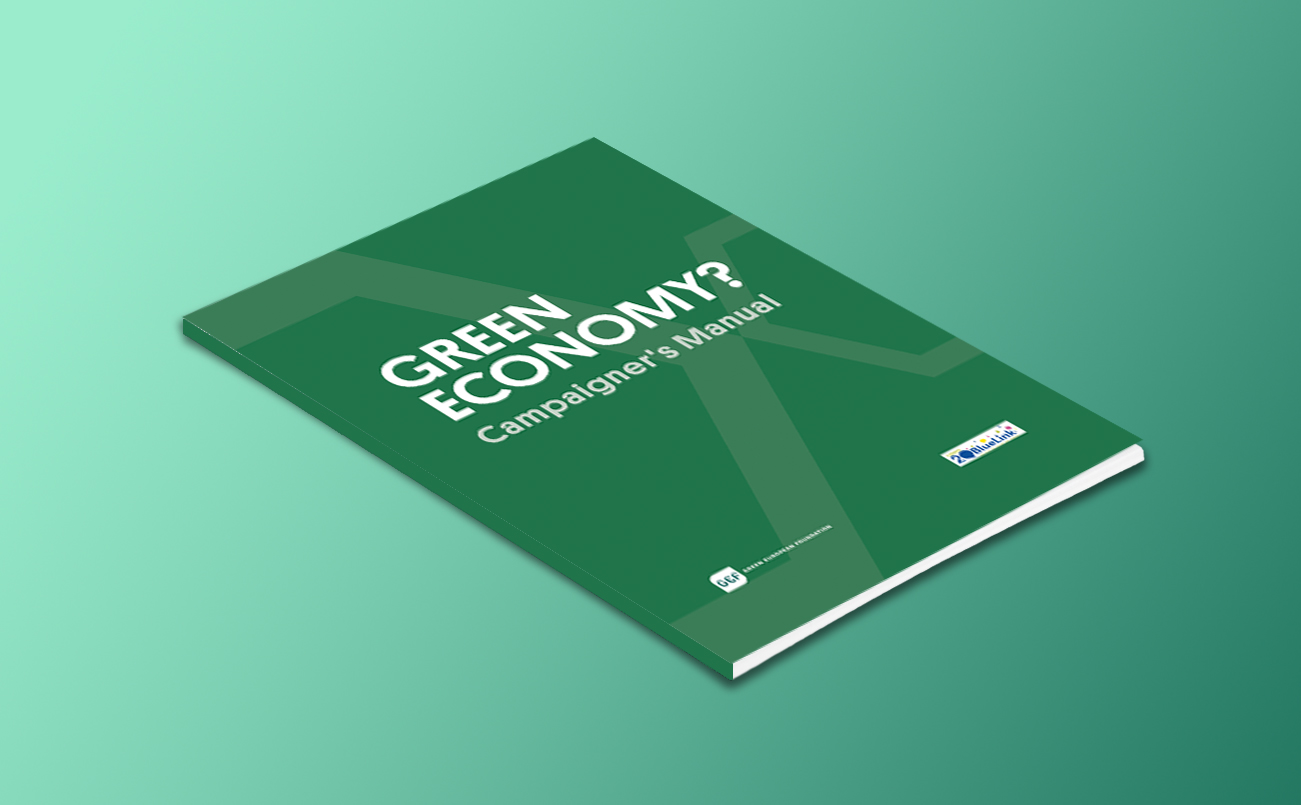
GREEN ECONOMY? Campaigner’s Manual

By Uncategorized

The manual’s aim is to promote the economic potential of a Green Economy by summarising the most important definitions and giving policy makers a tool at hand to argue in favour of a green economy and to debunk the most common misconceptions.

Download the digital version of the manual in English here.

The digital version of the manual is also available in Turkish here.

Basic Income Greece Project

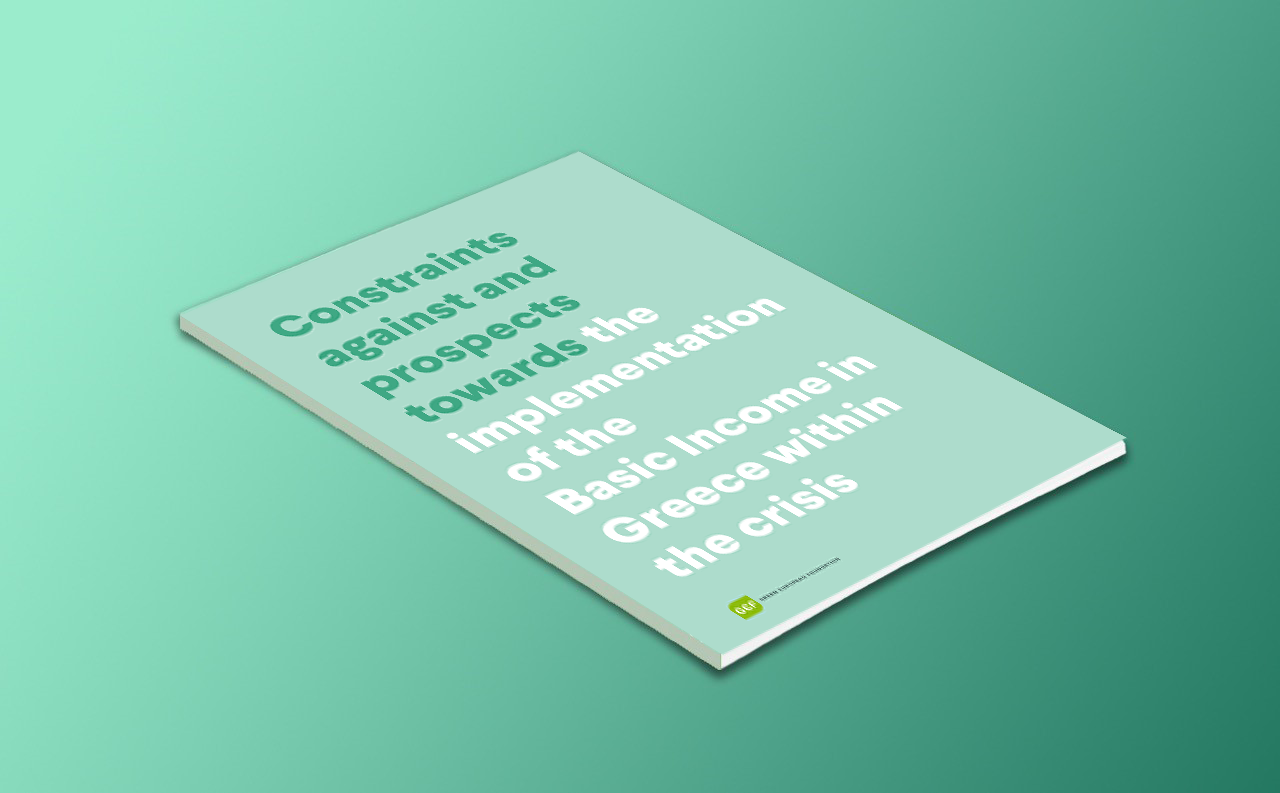
Constraints Against and Prospects Towards the Implementation of the Basic Income in Greece Within the Crisis

By Uncategorized

This report is one of the outcomes of GEF’s transnational project on Basic Income. Within this framework two study visits and multiple discussions on the topic took place.

The demand for securing all members of society against life’s adversities and the negative effects caused from social structures has been an ongoing concern of all social formations. From a historical point of view, this need was expressed in various forms in different times throughout history, ranging from food distribution to the poor in the times of the great empires (i.e. Egyptian Empire) and the charities of the monasteries in Middle Ages, to a universal basic income for all, the major social demand in late capitalism.

In contemporary industrial and post-industrial capitalism, this demand is expressed in two distinct political proposals: The first one focuses on unconditional universal basic income for all members of society irrespective of their financial status (Van Parijs, 1992) and the second one focuses on conditional basic income exclusively for those in unfavourable situation – if not in the most unfavourable situation – with respect to acceptable levels of living.

Read about the Finnish Basic Income Model here.

Freedom and Society seminar (Zagreb)

By

The seminar will address the changing societies in the European Union and the interplay of freedom and security, and in particular look at the local perspective in Croatia. The aim is to stimulate the debate among activists, the political community as well as academia to discuss new concepts for fundamental changes needed in our complex world.

This is a closed event on invitation only.

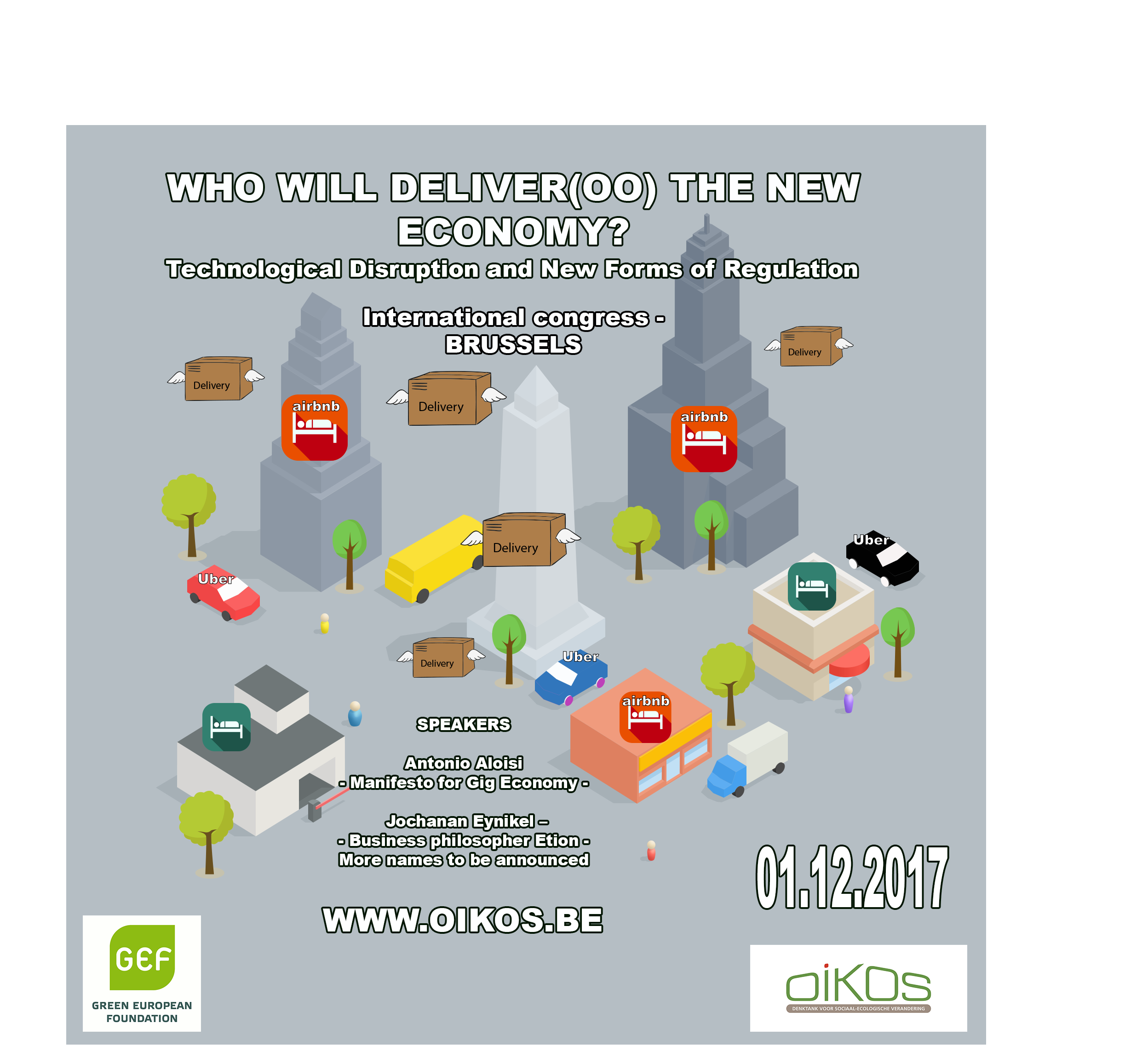
Who Will Deliver(oo) the New Economy? – Technological disruption and new forms of regulation (Brussels)

By

Context

Companies presenting themselves as mere digital platforms, such as Uber, Airbnb, Deliveroo, etc., are changing our economy in a rapid pace. These techno-economic disrupters not only change the way we produce or deliver services, but also lead to radical changes in the labour market, the availability and the organization of work. They question the existing regime of our national welfare states with a social security system build on full employment in stable and localized jobs.

The crucial question is how we will be able to re-embedded these new companies that tend to ignore legislation and deny the European social contract. This is more than an economic issue: more flexible and precarious jobs feed the growing insecurity in our society, which is a feeding ground for populists and national authoritarianism. So we need progressive answers that embrace the possibilities of digital platforms while at the same time empowering workers and their freedom and building new systems of social security.

Programme

13:00-13:10 Opening words (Aurélie Maréchal, Director Green European Foundation)

13:10-13:35 Keynote – The Need for a Green Transformation. Freedom and Security in Uncertain Times (Dirk Holemans, Director Oikos Denktank), followed by a Q&A

13:35-14:00 The Ethics of Things. Staying Human in the Robot Age (Jochanan Eynikel, Business philosopher Etion)

14:00-14:35 A Manifesto to Reform the Gig Economy (Antonio Aloisi, PhD candidate University of Milan)

14:35-15:10 Cabfair – We Can Do Better than Uber (Duncan McCann, New Economics Foundation)

15:10 coffee break

15:20-16:00 Panel debate –The European Dimension, moderated by Aurélie Maréchal

  • Philippe Lamberts (MEP Greens/EFA)
  • Frank Moreels (President European Transport Workers Federation)

16:00-16:45 Panel debate – The Future of New Economy

  • Meyrem Almaci (President Groen party)
  • Antonio Aloisi  (University Milano)
  • Duncan McCann (New Economics Foundation)

16:45 Reception & Networking

More information

The event is free of charge – to register, please fill in this form. For more updates, see the Facebook event.


Eco-innovations for Economic Change & Shared Prosperity (Sofia, Bulgaria)

By

This event is a part of the ongoing project “Revision of the Economy in the Balkans: Change Policy not Climate” which aspires to raise awareness among stakeholders, politicians and the general public for the economic potential of a Green Economy in Serbia, Macedonia and Bulgaria, to stimulate changes in consumption and production patterns, and promote a participatory approach to policy making. The project is implemented jointly by the Green European Foundation, BlueLink Foundation (Bulgaria), Networked (Serbia) and the Sunrise Association for Sustainable Social and Economic Development (Macedonia).

Conference:

The topic of the event is closely related to one of the major priorities of the Bulgarian presidency of the EU, which starts on 1 January 2018, as defined by the so-called EU presidency trio – Bulgaria (Jan-Jun 2018), Estonia and Austria, during the meeting of the Council of the EU ministers of the environment which took place on 13 and 14 July, 2017 in Talin. The priority refers to eco-innovations as an engine for the transition to circular economy and stimulating green investments in energy transformation and clean technologies, in order to spur the overall competitiveness and achievement of shared prosperity across the EU.

A comparative study focusing on European climate, renewable energy and Green economy policy landscapes took place between April and September 2017 in Bulgaria, Macedonia and Serbia. The most important conclusions from the study will be presented and discussed at the conference, as well as in 3 national research publications, Green political handbook and journalistic materials published on regional electronic media – BlueLink.

Programme:

Please download the detailed programme of the conference here.

Registration:

Enquiries regarding participation and logistics are expected by 06 November 2017, to the attention of Mrs. Eva Stefanova, EU Projects assistant, at the following email address: eva@bluelink.net.

Ökopódium EU (Budapest)

By

The 4th Industrial Revolution: Opportunities for Green Transformation in the World of Employment

As part of our ongoing transnational project on questions around green transformation and a post-growth society, we are hosting a workshop in Budapest to discuss new technologies and other ‘change-makers’, such as climate disruption, and how they contribute to an ongoing social-ecological transformation and the 4th industrial revolution fueled by disruptive technologies such as digitalisation or robotisation.

Programme

17:00-17:15: Welcome

17:15-18:00: Green transformation – freedom and security in uncertain times

Dirk HOLEMANS director, Oikos Research Center, Belgium

18:00-18:30: What makes the 4th Industrial Revolution different from the previous ones? What are the major dangers and the biggest opportunities?

KIS Miklós, journalist

18:30-19:00: Humans or profit comes first? How do politics and politicians help?

SCHMUCK Erzsébet, Member of the Hungarian Parliament, Politics Can Be Different

19:00 – 19:20: break, buffet

19:20 – 20:20: Forum with the speakers

20:20 – 20:30: Closing Remarks

Dirk Holemans director, Oikos Research Center, Belgium

Registration and information

The event will be provide simultaneous English-Hungarian interpretation throughout the programme.

It is free of charge, but subject to prior registration. For more information, please visit the Ökopolisz website.


GEF at the Zero Carbon Yorkshire: Make it Happen! weekend

By

The weekend conference will explore energy, food, transport and buildings solutions and change for a climate safe future.

GEF Session

Following the publication of a study outlining a sustainable local economic strategy based on more green enterprises and employment, the Green European Foundation will organise a workshop on Saturday, 28 October, from 12h15 to 13h15,  with the support of Green House Think Tank and present this year’s further research as well as proposals on how to apply the model to the Sheffield City Region.

In this workshop we will provide space for debate about future of work – what type of jobs would be created locally by tackling climate change – including in energy, buildings, waste, food production in Sheffield City Region as case study. Furthermore, we will discuss the key ideas about zero carbon together with Aaron Thierry from Sheffield Climate Alliance.

Registration

To register for the conference at the Interdisciplinary Centre of the Social Sciences at the Sheffield University, please fill in this form.

Eco-innovations for Green Economic Change & Shared Prosperity

By

Context

EU policies and strategic documents, such as Europe 2020, the EU Energy Roadmap 2050, EU Climate Adaptation Strategy, outline approaches to renewable energy and Green and circular economy in order to end the overuse of resources and the social inequality and mitigate climate change. But how do they apply to post-socialist member states and candidates countries in South Eastern Europe? How can eco-innovations contribute to a lasting change of economy and society at large? What are the drawbacks and challenges of Green economy that we need to deal with, to make sure it brings shared prosperity and environmentally sustainable development for everyone? And how can politicians, activists and business communicate effectively, to take society at large on board of the transformation to green economy?

Conference

Researchers, policy analysts and practitioners are invited to propose papers in response to these, and related questions, for the conference ‘Eco-innovations for Green Economic Change and Shared Prosperity in Bulgaria, Macedonia and Serbia’ on November 9 – 10, 2017.

The conference is part of the ongoing project “Revision the Economy in the Balkans: Change Policy not Climate” project by the Green European Foundation, organised with the support of the BlueLink Foundation Bulgaria, Networked Serbia and the Sunrise Association for Sustainable Social and Economic Development Sunrise from Macedonia. The project aims to foster economy transformation towards environmental, low-carbon and energy efficient reduction, along with increasing prosperity and equity in society.

A comparative study of the policy landscapes in Bulgaria, Macedonia and Serbia, practical and political recommendations to achieving equitable Green economy in the three countries will be presented and discussed at the conference. The event will respond to one of the priorities of Bulgaria’s forthcoming presidency of the EU in 2018: eco-innovations as a driver for economic progress. How can they work for achieving shared prosperity and democratisation of the society?

Call for papers

We welcome submissions of research papers, position papers, investigation presentations, or multimedia/film presentations. Abstracts can be submitted by Sunday, October 8, 2017 via email to office@bluelink.net. Find all the guidelines for submitting your abstract in this brief guide.

Participation

No participation fees will be charged for this conference. The working language will be English. In case you have any questions, please contact the Bluelink team by sending an email to office@bluelink.net.

Climate-friendly Green Economy Policies

By Uncategorized

Climate change is one of the most serious threats facing humankind. Global warming causes growing economic, social, and ecologic losses. The challenges we face cannot be overcome by solely raising consumer awareness or by encouraging the private sector to adapt cleaner production practices alone. What we need is a system that will enable decision-makers of all levels, from individuals to international institutions, to act as a coherent whole on the path to achieve the determined targets.

Green economy offers a conceptual, theoretical, and practical framework that will enable this transformation. This report features Green economy policy recommendations for the fields of urban policy, land use, and energy. The mission of this report is to look at EU climate change mitigation and adaptation and its best practices in the fields of urbanization, land use, and energy in light of Turkey’s current conditions.

The common characteristic of all innovative practices featured in this report, such as passive buildings, energy co-ops, community- supported agriculture (CSA), bicycle use for inner-city transportation, urban vegetable gardens, and regenerative agriculture, is that they create easy and widely applicable environmental and climate-friendly alternatives and provide new ways for private citizens to be directly involved in the economy and even generate income.

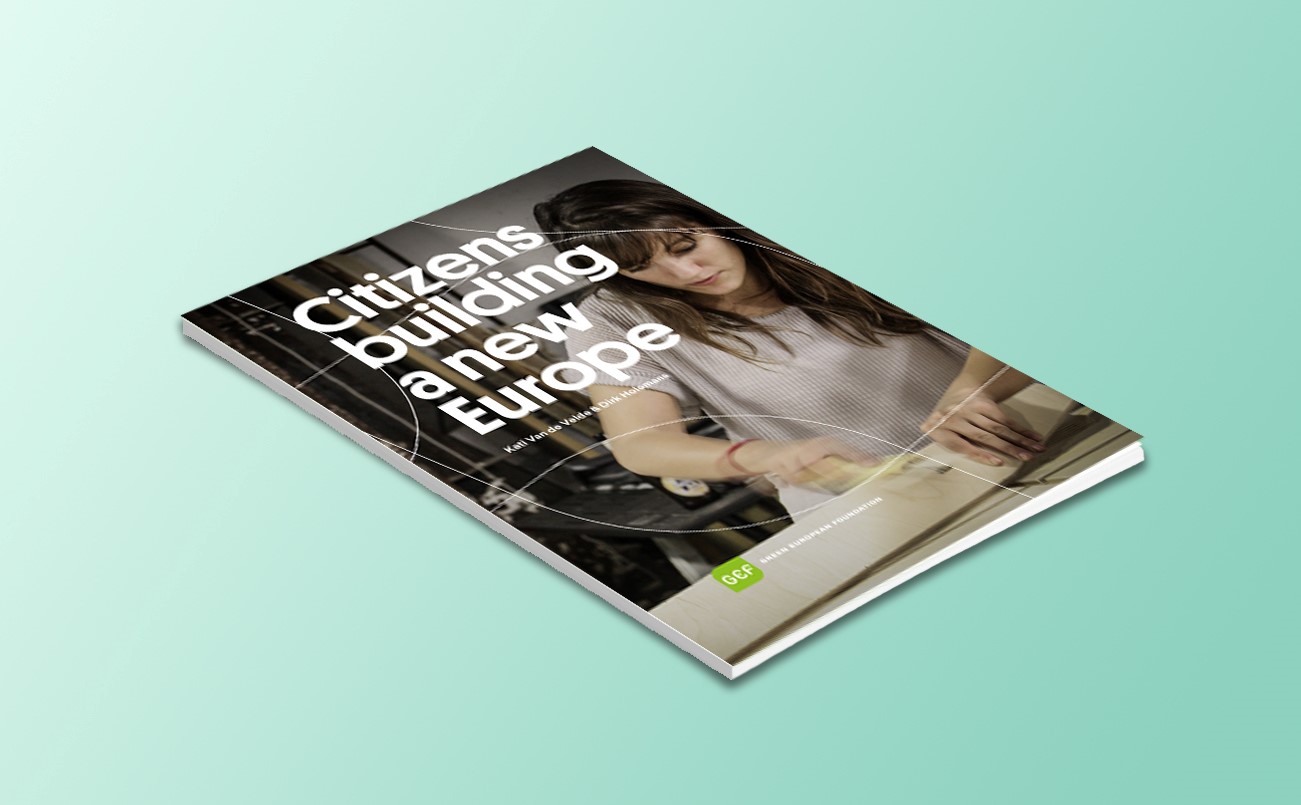
Citizens Building a New Europe

By Uncategorized

According to its citizens, immigration, terrorism, the economic situation and the state of member states’ public finances are the most important issues facing the EU. Less important, but still in the top 10, are unemployment and climate change. According to the latest Eurobarometer, a staggering 54% thinks that their voice doesn’t count in the EU. News about terror threats, refugee crises, budget cuts and corruption don’t paint a rosy picture of the reality we currently live in. Populists thrive on fear, human rights and freedoms are questioned and cynicism among citizens seems to be winning ground.

At the same time however, an ever-increasing number of citizens strike sparks in this seemingly dark tunnel, by developing social-ecological initiatives. To rebuild communities from the bottom up, to revitalize a more sustainable economy and to strengthen ties of solidarity and care, while governments struggle to manifest our common identity. Everywhere in Europe, hopeful democratic citizen initiatives emerge in fast pace. And knowingly or unknowingly, they are already making a difference, whether it be small or big, by building social and sustainable alternatives within the current neoliberal model of fear. Like swimmers against the tide, citizen movements get organised to take domains like production, finance, energy and care back in their own hands. So, join us for a walk through Europe and explore some of these exciting initiatives, because this is how citizens react to the policy of fear and austerity in our disrupted societies.

Digital version is Spanish is available to download here.

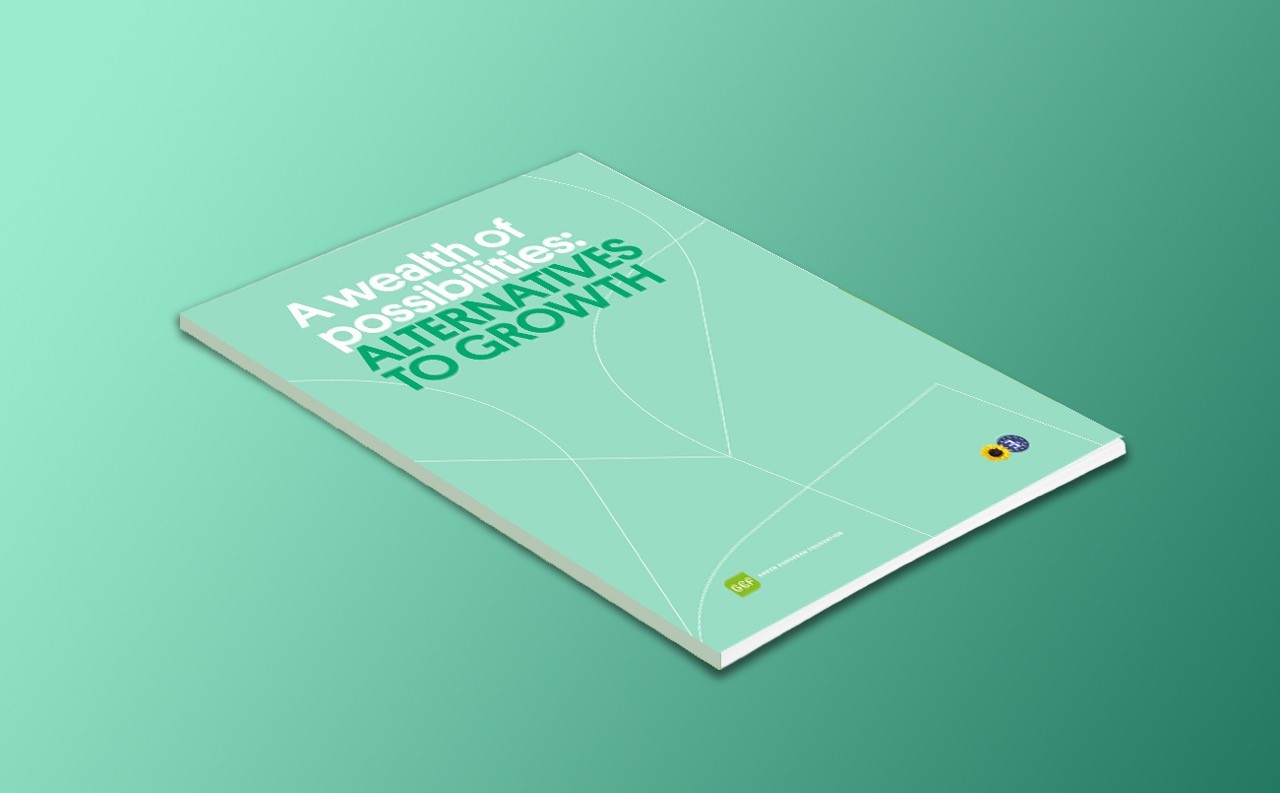
A Wealth of Possibilities: Alternatives to Growth

By Uncategorized

However, the long-awaited recovery has not materialised: even though the level of European GDP (Gross Domestic Product) reached its pre-crisis level in 2014, the employment rate, in spite of the educational attainment, is still dragging behind and the poverty rate has substantially risen. It is as if whenever growth materialises, it only benefits the happy few. This unambiguously testifies to the inefficiency of the usual economic recipes in the current globalised and highly connected world.

This study, commissioned by the Greens in the European Parliament and the Green European Foundation, aimed at questioning current practices and policies in six fields structuring our economic model and at investigating alternative ways that are more adapted to the current challenges by being more socially inclusive and more appropriate on climate and environmental issues. It overlooks to fields of: labour markets; the fight against inequality; tax collection; international trade’ and monetary and banking systems;

The study is not meant to provide its readers with a toolkit or a textbook to reboot our economic model so that we can distance ourselves from the growth of the Gross Domestic Product mantra and engage a fair and green transformation of the economy. Instead, it outlines priority sectors that need to be reframed in a genuinely sustainable mode.

The Role of State Aid in Creating a Green Economy

By Uncategorized

State aid rules, which govern when public authorities may grant assistance to selected undertakings, play a crucial role in determining the economic and environmental future of the EU. This report, commissioned by the Greens/EFA Group and authored by the E3G think-tank, outline a range of measures that would ensure state aid rules help Europe transition to a low-carbon and resource-efficient economy.

As Europe prepares to make major investments in areas such as energy and transport in the coming years, state aid rules that create a level playing-field for different industries and phase out damaging subsidies for fossil fuels will benefit investors and the public alike.

This publication is available to read in English or German.

ECOPRO Seminar in Brussels

By

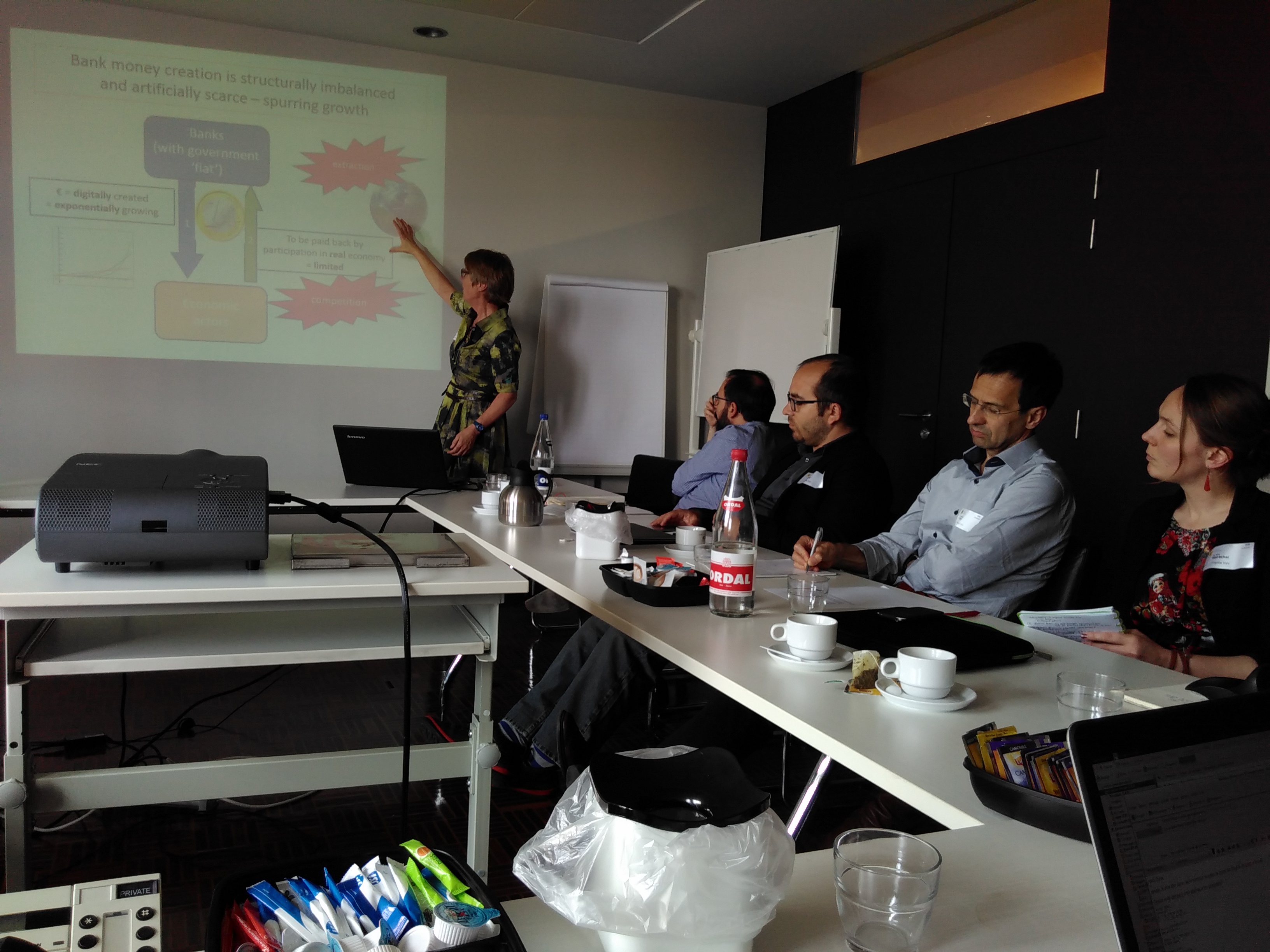
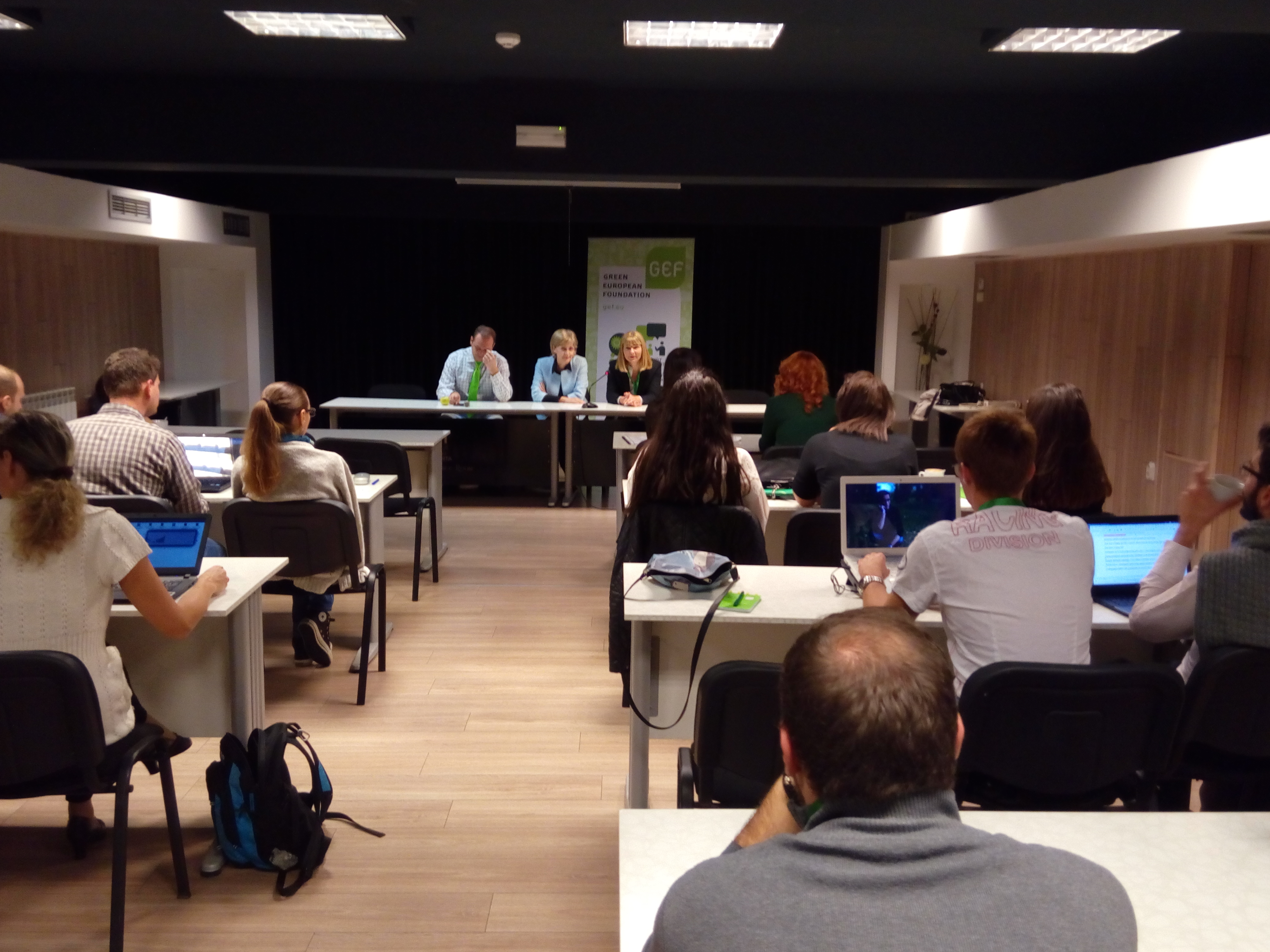
As a part of the ECOPRO project with a focus on the “Sustainable Work for All in a Post-Growth Society”, an inspiring seminar was held in Brussels, as an opportunity to engage with the different participants of the project. Three relevant speakers participated it the seminar with the presentations focusing on the central theme of the new ways of “work”, presented with a variety of perspectives.

The first speaker was Dustin Benton, head of Energy and Resources at Green Alliance, a charity and independent think tank focused on ambitious leadership for the environment. Mr. Benton gave a very interesting presentation about jobs in a circular economy. He participated in a study about the potential of new jobs in a circular economy in Italy, Poland and Germany.

The second speaker was Raimon Roda, director at the Baix Llobregat Agricultural park just outside Barcelona. He used the park as an example of the potentials for the agricultural areas near cities to foster sustainable development and evolution towards local food production.

The last speaker of the day was Anne Snick, expert on gender and social sustainable economy. Her presentation focused on the need of the current economy to serve the basic societal functions –  efficient allocation of resources to the well being of all. Her presentation also highlighted the gender implications of contemporary economic system and possible solutions for such issues.

This seminar ended with a fruitful discussion and a lot of questions from the participants after each presentation.

ECOPRO Seminar in Ireland: “A Community Approach to Sustainable Work in the Circular Economy”

By

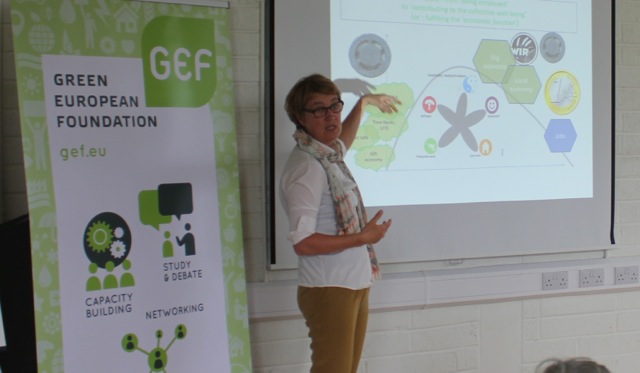
The theme of this seminar was “FULL CIRCLE: A Community Approach to Sustainable Work in the Circular Economy”. With this focus, the seminar in Ireland aspired to reflect further on the current topics of our ECOPRO project.

Therefore, some of the most relevant questions which were addressed during the event were:

  • What role do community groups, co-operatives and local enterprises have in the circular economy? 
  • Under what conditions can the circular economy help us accelerate the transition to a resilient and low carbon society?

This seminar was based on a participatory format, blending presentations with facilitated conversations. The list of speakers included Dr. Anne Snick (KU Leuven, Belgium) and Clare Downey (Community Reuse Network, Ireland).

TIME: Seminar was held between 14h00 and 16h30 on the 10th of June.

LOCATION: WeCreate Workspace, located in Cloughjordan Ecovillage in Tipperary, Ireland.

“Balkan Watchdogs: Cross border Environmental Reporting” Workshop in Bulgaria

By

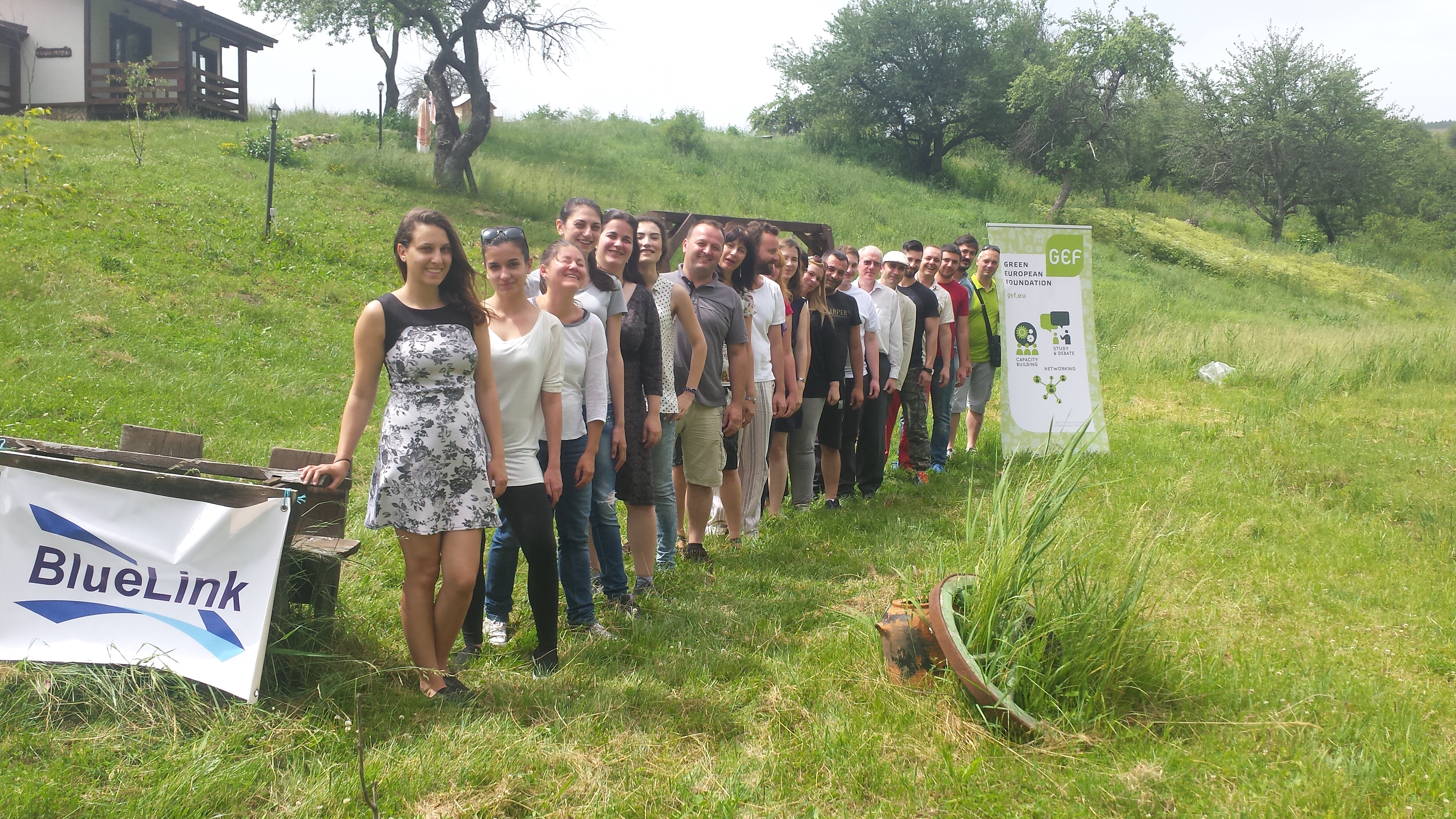
The workshop’s aim was to support young and active journalists from Bulgaria, Serbia and Macedonia, who have an interest in the practice of watchdog journalism, telling stories of environmental dangers and exploring new sustainable solutions offered by the Green economy. This event is a part of the Journalists and Policy Makers Boost Green Economy project, organised by the Green European Foundation, with the support of the BlueLink Foundation (Bulgaria), the Association for Sustainable Social-Economic Development Sunrise (Macedonia) and Drugi Novi Centar Association (Serbia).

The training represented a great opportunity for the young journalists and professionals with an interest in the practice of watchdog journalism in the public interest. It provided the participants with important insights in the cross-border environmental issues in the Balkans and the Green policies as the alternative solutions. This experience served as a platform for knowledge exchange and a chance to enhance the professional skills of the participants. The training was implemented in English.

The workshop was facilitated by: Dr. Pavel Antonov, Chief Editor at the Evromegdan.bg virtual newsroom of the BlueLink foundation; Paul Brown, Editor, Climate News Network; Zlatko Simonovski, researcher and journalist and Beatrice White, Deputy Editor at Green European Journal.


Purpose of the Workshop

With rule of law and democratic mechanisms failing to protect nature and public interest, ethical professional watchdog journalism is essential for raising awareness and promoting Green policy solutions in South Eastern European societies. Success stories of environmental and social change, environmental justice and Green policies advanced by new politicians, policy-makers and activists fail to effectively reach – and inspire – the general public.

Therefore, the workshop aimed to:

  • Build on the professional skills and integrity of young and active journalists;
  • Engage them creatively and professionally in a virtual newsroom to facilitate authoritative and well-written creative feature articles of environmental change;
  • Guide them while they publish and popularise journalistic articles (in text and image) in English and their native languages;
  • Allow new policy-makers, Green politicians, academic and civil society experts to foster journalists’ understanding of available success cases, technological and policy solutions.

ECOPRO Debate at Budapest Degrowth Week: Work out of the box! (VIDEO Available)

By

This event was a part of our ECOPRO project, which this year has a special focus on work and its role in the post-growth society.

Theme:

The world has reached the “Limits to Growth” – we are in the status of overshoot, overuse, overconsumption, overpopulation. Our event on the 1st of September will be held 3 weeks after the Overshoot Day 2016 (the 8th of August), we will have used as much from nature as our planet can renew in the whole year. We need a new vision of a post-growth economy that fits again within the planetary boundaries while satisfying real societal needs, guaranteeing well-being and a future for all.

Among many others, we need to rethink our concept of WORK. Can we provide real, meaningful, added-value-generating jobs for all active-age men and women of the over 7 billion inhabitants of the Earth? If yes, how? If not, how shall we redefine and widen the meaning of WORK?

Work is much more than spending time at a job – it includes running a household, caring for children and elderly, helping in the community and other forms of voluntary and political work. To grasp the diversity of work, a green and feminist understanding of work, questioning the gender and international division of labour, is required.

Does work equal money? Equal work, equal pay? Working for a living, or a better life? What is the future of the work – and what is the work of the future?

Speakers:

This debate featured Bernadett Szél (Co-chair of Lehet Más a Politika, Hungary), Beate Littig (Researcher at Institute for Advanced Studies, University of Vienna, Austria), Anne Snick (KU Leuven, Belgium), Dirk Holemans (Coordinator and Editor at tink tank Oikos, Belgium) and Jonathan Essex (Co-founder of the Green House think tank, UK).

Venue: Corvinus University of Budapest – Fôvám tér 8, Budapest, Hungary, 1093

Time: 1st of September, 16h00 – 19h00

VIDEO: Watch this debate in English or Hungarian.

Workshop for New Politicians and Activists

By

After the successful implementation of a transboundary workshop for young journalists in Tran, Bulgaria last June, this event took place in Skopje, Macedonia from the 15th to the 17th of October and broached the issue of implementing policies to develop a Green Economy in the region.

The workshop’s aim was to support new politicians and activists from Bulgaria, Serbia and Macedonia, who have an interest in environmental issues and in exploring new sustainable solutions offered by the Green Economy. This event was part of the Green European Foundation’s transnational project Journalists and Policy Makers Boost Green Economy, organised with the support of the BlueLink Foundation (Bulgaria), the Association for Sustainable Social and Economic Development Sunrise (Macedonia) and Drugi Novi Centar Association (Serbia).

The workshop provided the participants with important insights into cross-border environmental issues in the Balkans and explore Green policies as alternative solutions. This event served as a platform for knowledge exchange and a chance to enhance the professional skills of the participants. The training was implemented in English.

If you would like to find out more about the workshop, please contact aleksandar@izgrejsonce.mk or borislav.sandov@zelenite.bg.

This workshop was organised with the financial support of the European Parliament to the Green European Foundation.