Our Future: Fair & Healthy Food (Brussels)

By

About the Event

A systemic crisis permeates our food and agricultural sector. Food, turned into a commodity to generate profit, feeds the greed of the few rather than the stomachs of the many in a healthy way. Decades of yield maximization and export-oriented monocultures in a globalising economy have broken our food and agricultural chain. Business-as-usual has become impossible.

But the tide is changing. More and more research and policy reports and practices point to a hopeful alternative approach to food and agriculture: Agroecology, as an integrated vision, aims to reconnect soil, plants, animals and humans with the environment. It integrates the social dimension of a fair and sustainable food system. At the same time, more and more cities put this vision in practice in concrete urban food policies. It is now the time for a new EU policy, reflecting and supporting this holistic vision.

Programme

09:00 Registration

09:30 Words of welcome by  by Dirk Holemans (Green European Foundation)

09:45 Fair & healthy food: presentation of GEF paper by Kati Van de Velde (Think Tank Oikos)

10:05 Our food as a commons: Jose Luis Vivero Pol (scholar, Head WFP VAM Myanmar)

10:25 Towards ecologically & socially resilient food and agriculture systems by Thomas Van Craen (CEO Triodos Bank)

11:20 Diversity & inclusion in food practices: Deirdre Woods (food justice practitioner & researcher)


11:40 Towards a Common Food Policy for the EU by Olivier De Schutter (Co-chair of IPESFood)

12:00 How to build a better world: Challenges & opportunities in the global governance of food security by Mario Arvelo (Dominican Ambassador to the UN in Rome & Chair of the Committee on World Food Security)

12:20 Urban food policy: the city of Gent by Tine Heyse (Alderwoman city of Ghent)

12:40 Reaction by Paulo Caruso de Lima (Liaison Officer, FAO Brussels) and Q&A with the audience

13:00 Closing remarks by Petra De Sutter (MEP Greens/EFA)

13:30 End


Registration

Entrance to this event is free, but spaces are limited and registration is required.

If you would like to attend this event, please register via the form found here. 


Green Learning: 10+ New Courses!

By

Green Learning – 10+ New Courses!

For all keen and green learners who want to supercharge their knowledge on the hot topics in Europe today, Green Learning has over 10 brand new courses for you to get stuck into!

Dive into the pivotal issues facing the European Union today, including:

  • How Can We Fight Climate Change?
  • Food & Agriculture
  • How Can We Achieve a Social European Union
  • How Can We Realise Tax Justice?
  • Empower the Youth!
  • Brexit
  • Towards a Transparent EU
  • Towards Sustainable Transport & Mobility
  • Fighting Terrorism and Ensuring Security
  • Towards Human Migration & Asylum Policies
  • How Can We Protect Our Fundamental Rights?
  • Combatting Hate Speech
  • Hate Speech Widersprechen (DE)

The courses will guide learners through these often-complicated topics with fun and dynamic content that break down the key information, facts and figures to give insights into the important issues at play. Then, learners will also explore the potential solutions to these problems to discover how to enact change for the better!

How to Start Learning

Create your account for free at www.mygreenlearning.eu and start learning now!

To start learning, create your account, click on “My Account” and find the desired course under “Library”.

These courses are part of the Green Learning platform of the Green European Foundation, which provides free online courses for learners to build their knowledge and develop their skills. Discover all the courses on offer at www.mygreenlearning.eu/about


Promotion

If you would like to promote the new Green Learning courses on your own website and/or social media, you can use the promotion pack found here.

A pack specific to courses relevant to the youth climate movements can be found here. 

A pack for the course Fast track: Green Issues from A to Z can be found here.

The promotion packs features text & visuals for you to use and share among your networks and beyond!

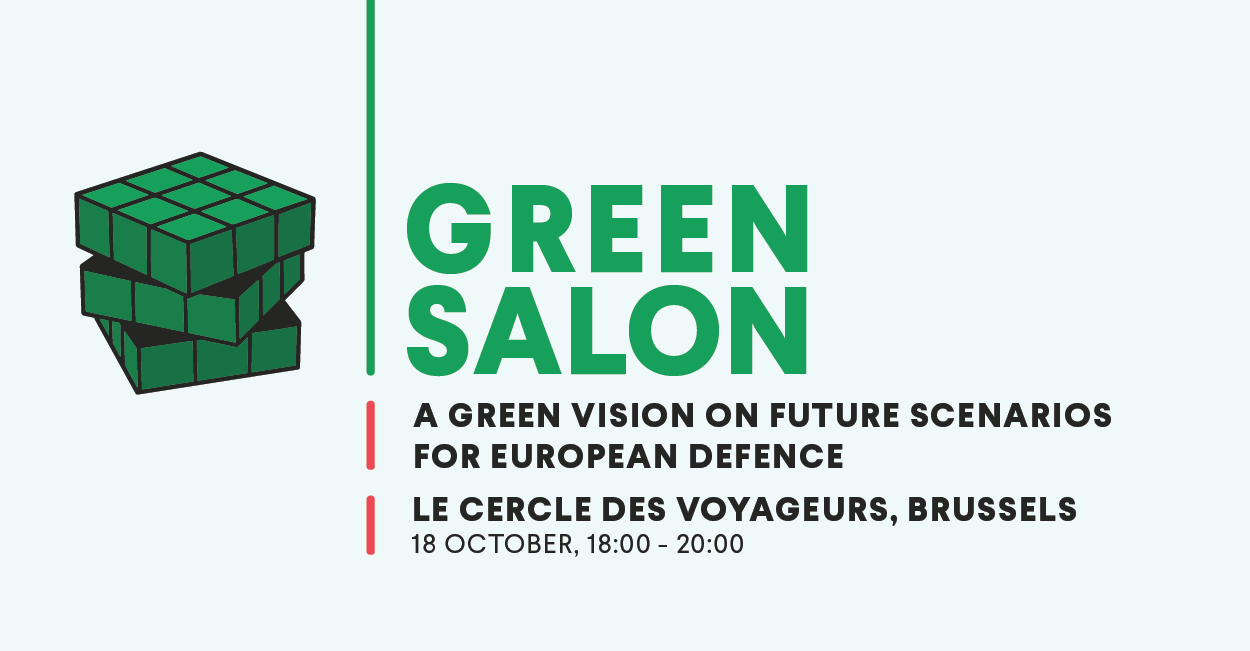
Green Salon: A Green Vision on Future Scenarios for European Defence

By

The project aims at creating a sheltered space for Green-minded politicians and experts to critically explore political issues and build sharp answers to today’s challenges.

A Green Vision on Future Scenarios for European Defence

The first Green Salon – A Green vision on future scenarios for European defence – took place in Brussels on 18 October 2017. It was an invitation-only event that addressed Greens from the European and national level as well as independent experts and thinkers from across Europe to feed-into the debate with their expertise and assist Greens in discussion and fine-tuning their ideas and positions.

The first Green Salon addressed the topic of the future of European defence, which has re-emerged on the European agenda, raising questions as to its direction, ambitions and goals that urgently need to be addressed.

Format

The opening reflections of the two main contributors, Nicoletta Pirozzi, Istituto Affari Internationali, and Sven Biscop, Egmont Institute, served as a spring board for the debate. After their input, an open discussion between all participants under Chatham house rules formed the core of the event and was moderated by Kristine Berzina, German Marshall Fund of the United States.

The two main contributors’ role was to launch the debate by ‘feeding’ the audience with information and provocative food for thought on the current state of play and debates around European defence, thereby enabling participants to engage into discussion.

Following the event, two videos were produced, focusing on:

  • The explanation of the Green Salon concept:

  • A summary of the debate on the future of European Defence Policy, featuring 3 speakers (Nicoletta Pirozzi, Kristine Berzina and MEP Bodil Valero):


Impact Europe: Online Course for Green Activists

By

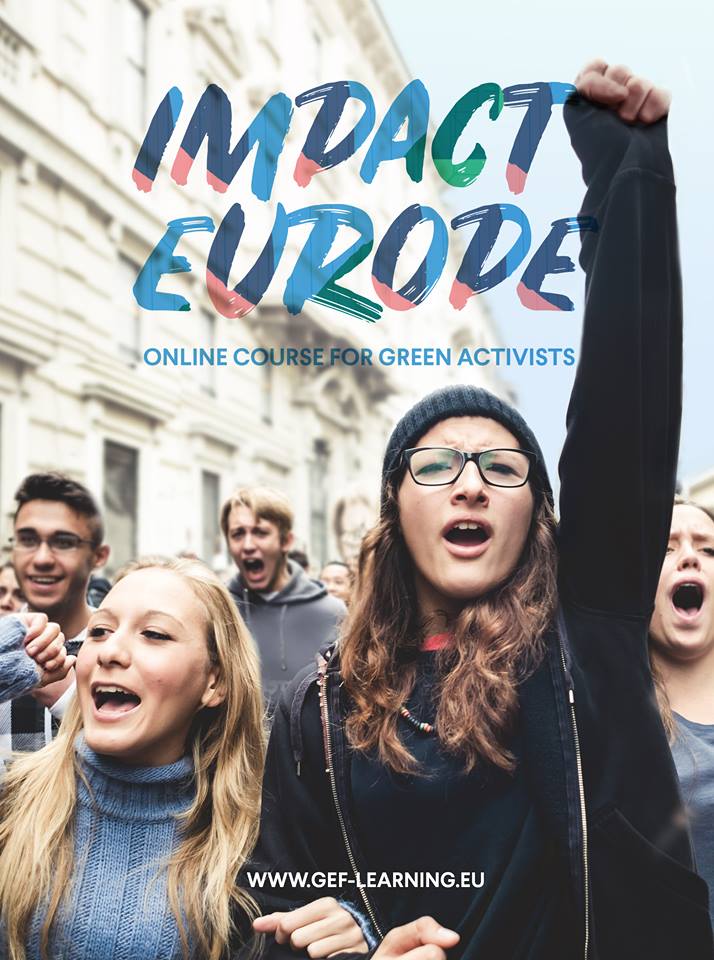
Within the framework of the Capacity Building programme, the Green European Foundation, together with the Green Group in the European Parliament, developed an online educational platform, which is currently hosting the Impact Europe module – an online course, primarily for young, green-minded citizens, who want to influence the decisions made at European level and shape their own future. Throughout this course, we analyse the past, present and future of the EU, the battles Greens carry continuously at European level and why they matter, as well as ways in which you can become engaged in order to shape the future of Europe – the Europe you want to live in.

WHAT IS THE COURSE ABOUT?

Based on unique content, this course serves as a stimulating learning environment which provides a critical understanding of the EU and the functioning of its institutions. Impact Europe addresses some of the most pressing issues in Europe: the Future of the European Union, Trade, Environment and Food Safety, Migration etc. as well as giving insights into Green political movement and an opportunity to discover ways to be part of a European network of activists. You can watch our campaign video below.

WHO CAN TAKE PART?

The course is free and open to everyone. All participants who complete the course will be rewarded with a certificate co-signed by the Green European Foundation and the Greens/EFA in the European Parliament. Furthermore, they will get a chance to become a part of the Alumni Network with access to other exciting opportunities, such as internships, traineeships and vacancies.

Teaming up with the European Green Party to make the course more accessible, Impact Europe is available in English, French, Spanish, and Polish.

HOW TO SIGN UP?

It’s easy – sign up on this page: www.gef-learning.eu! In case you have any questions, feel free to get in touch with us at learning@gef.eu.

How to Design an Online Course

By Uncategorized

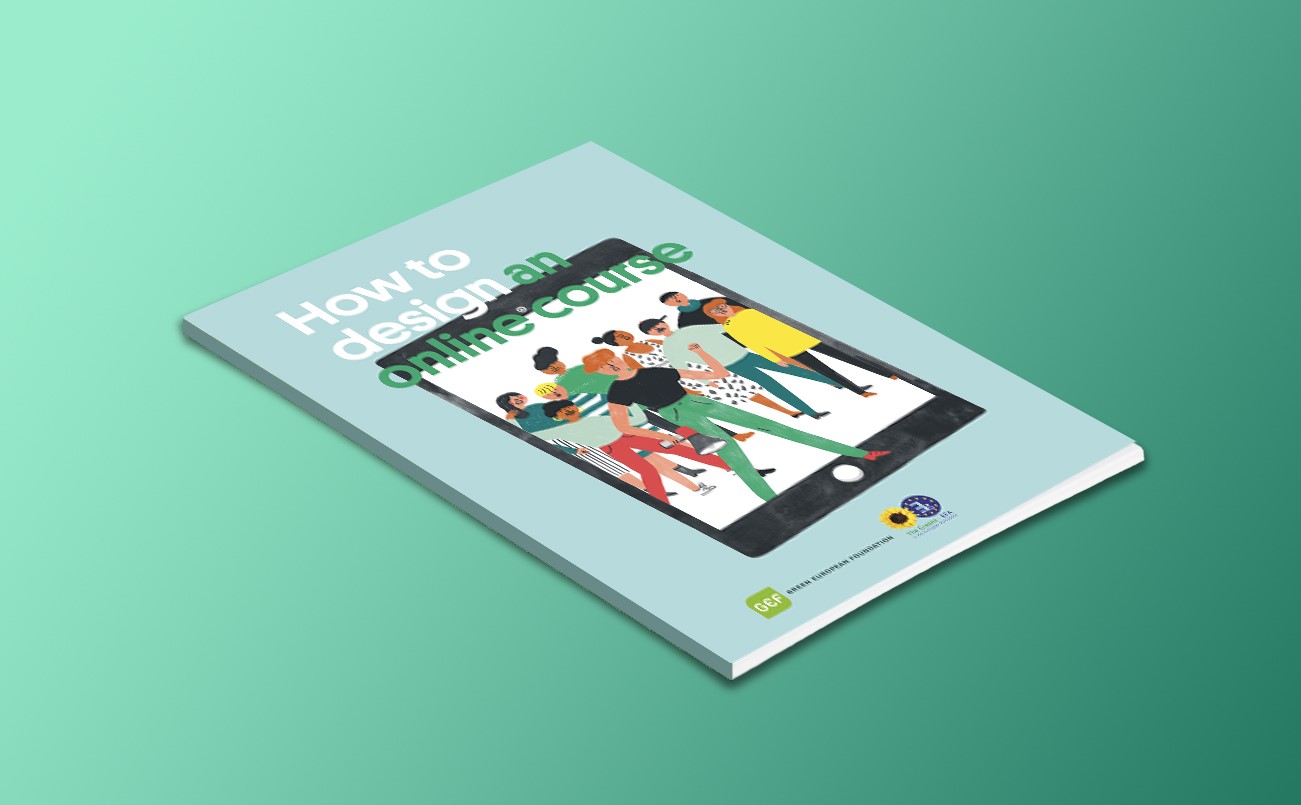
The Green European Foundation (GEF) and Green Group in the European Parliament (Greens/EFA) promote education and training and provide opportunities for building capacity and encouraging networking among Green actors across Europe.

Our aim is to raise awareness among citizens about Green solutions to the challenges Europe faces, and to enhance the ability of activists, politicians and citizens to work on issues with a European dimension.

To this end, we have initiated an online learning programme which complements our face-to-face trainings and uses the potential of digital tools to bring together European actors to learn, discuss and expand their networks.

Objective

After a successful experience in implementing an online learning programme – “Impact Europe: Online Course for Green Activists”, we have developed this guide to empower other organisations interested in online education to develop their own courses.

Methodology

The structure of the guide follows the entire process of developing an online course – preparation, production, testing, launch and follow up. Each chapter of this guide is dedicated to one of the main stages in the process of developing an online course and contains:

  • Practical information on the main elements to keep in mind during the respective stage of developing your course;
  • Case studies in which we share best practice based on the GEF-Greens/EFA online course “Impact Europe: Online Course for Green Activists” as the example;
  • Tip boxes as additional advice from our team on implementing specific aspects of the course;
  • Expert advice provided by online learning experts, content managers and audio-visual specialists.

Migration and Asylum Policies on EU/Local Levels

By

Theme

This panel debate aspires to enable civil society, policy-makers as well as refugees and migrants to discuss the key developments in Europe which affect refugees, migrants and asylum seekers. The discussion shall provide an overview of the latest decisions on the European Union level as well as look into the implementation by the Member States, and especially focus on challenges and best practices of local authorities. The exchange can provide a platform to formulate clear recommendations towards the national as well as the EU level, and thereby set the political frame for the coming days of the training. A networking reception will be organised after the event.

Moderation:

  • Maria Giovanna Manieri – Advisor on Civil Liberties, Justice and Home Affairs, former employee of PICUM (Platform for International Cooperation on Undocumented Migrants)

Speakers:

  • Bodil Valero – Member of the European Parliament, Greens/EFA Group
  • Eleni Takou – Head of Advocacy, SolidarityNow
  • Ioannis Hadjiyannis – Assistant to the Director General of the Structural Reform Support Service of the European Commission
  • Lefteris Ioannides – Green Mayor of Kozani  
  • Yonous Muhammadi – President, Greek Forum for Refugees

This event is open to public and free of charge. Sign you up to the Facebook event!

Registration

The debate will take place on Thursday, 28 September from 18h30 to 20h30 in Athens, at the European Parliament Information Office. The registration for this event is now closed.

Livestream

If you cannot join In Athens, please follow the live stream on our Facebook page.

Fundraising Training:

This public debate is a part of our upcoming training in Athens which aims to empower grassroots organisations all over Europe, who are working on topics around migration, refugees or asylum seekers, with practical skills and innovative fundraising techniques.

Fundraising Training: Projects on Migration, Refugees & Asylum

By

In 2016, GEF and Greens-EFA collaborated on the ‘Guide to EU Funding on Migration and Asylum’, a publication available in 16 languages, which showcases EU funds available to local activists and organisations across Europe. In 2017, the need was identified to organise a training which allows organisations working on these topics to exchange best practices, at the same time with reinforcing their fundraising capacities.

Training in Athens

This training is targeting grassroots organisations all over Europe who are working on topics around migration, refugees or asylum seekers, and who oftentimes lack the capacities to obtain the necessary funding for their important work. With this opportunity we want to empower the participating organisations to apply for EU funds, namely the Asylum, Migration and Integration Fund (AMIF), or determine alternative funding possibilities and exchange their experiences and best practices. We will share practical experience on innovative fundraising techniques available to organisations with reduced means, such as crowdfunding, experiential fundraising, etc.

We also want to enable the participants to network and shape future project ideas together. Last but not least, we aim to enable exchange with policy-makers as well as with refugees and asylum seekers themselves.

Venue, timing and duration

The training will last 3 full days, starting on Thursday, 28 September 2017, in the afternoon and ending on Sunday, 1 October 2017, in the afternoon. The training will be organised in Athens, Greece.

Applications for participation in this event are closed. For more information, please contact the Project Coordinator, Carlotta.Weber@gef.eu.

Fundraising Training: Migration, Refugees & Asylum Seekers Projects

By

In 2016, GEF and Greens-EFA collaborated on the ‘Guide to EU Funding on Migration and Asylum’, a publication available in 16 languages, which showcases EU funds available to local activists and organisations across Europe. In 2017, the need was identified to organise a training which allows organisations working on these topics to exchange best practices, at the same time with reinforcing their fundraising capacities.

The training will provide information on European Commission funds such as the Asylum, Migration and Integration Fund (AMIF), as well as a solid background and practical experience on innovative fundraising techniques available to organisations with reduced means, such as crowdfunding, experiential fundraising, etc.

Last but not least, this training will be an opportunity for foundations, movements and NGOs working on topics around migration, refugees and asylum seekers to exchange and gain insights into the political dimension of migration, looking at the local, national and European level. Participants will get the chance to exchange with policy-makers and with refugees and asylum seekers themselves (one of the training days will be organised in a refugee centre in Athens).

Participants’ profile

The training is addressed to staff working in European foundations, organisations, NGOs and movements who work on migration, refugees and asylum seekers projects and who are looking to expand their skills-set and contacts in order to do successful fundraising. It is targeting all organisations working to provide solutions for the arrival and integration of refugees, asylum seekers and migrants.

There will be maximum 25 places on the training and the applicants should fulfil the following conditions. They should:

  • Have experience in working on projects with migrants/ asylum seekers/ refugees or the clear interest in initiating such projects.
  • Ideally be responsible for fundraising within their organisation.
  • Have the ability to use English as the working language throughout the training.
  • Have the availability to attend the full duration of the training.
  • Show interest and motivation to fulfil an active role during the training and to explore possibilities to collaborate with other organisations active in the field.
  • Represent an organisation based in a European country.

Objectives

By the end of the training, participants will:

  • Expand their knowledge on the political dimension of this topic.
  • Strengthen and broaden their network of actors and organisations engaged in work on the topics of migration, refugees and asylum seekers.
  • Gain practical skills on fundraising for their projects in this field.

Working methods

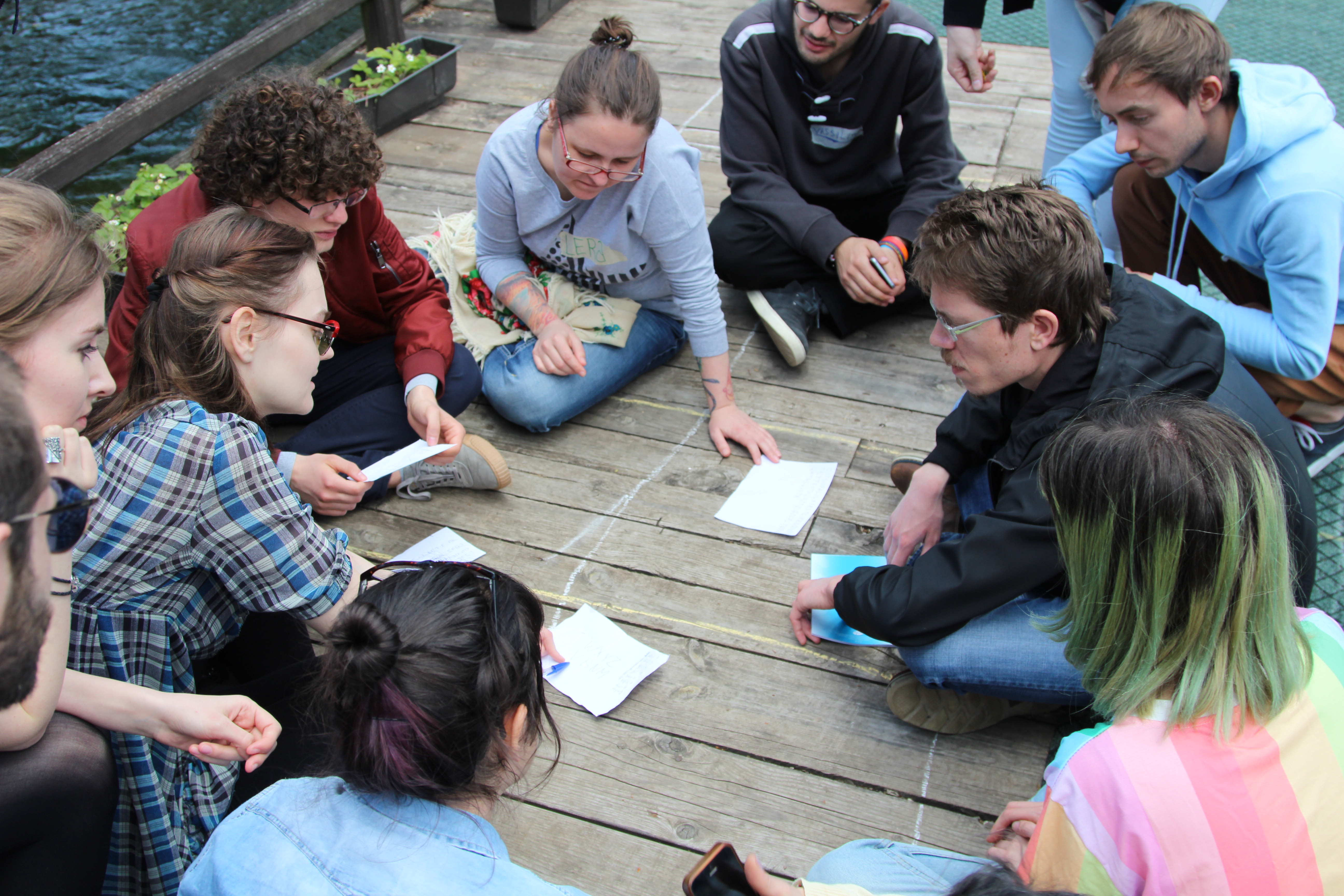
The training will combine formal and non-formal learning methods, with a clear focus on the latter as all sessions are focused on group formation to provide space for exchange of experiences and best practices among participants, and allow them to develop project ideas together. To be successful, this will require participants to have an active input in sharing their own knowledge, and to be willing to learn new skills from their trainers and from each other. The working methods will include:

  • Small group discussions
  • Verbal and visual presentations
  • Plenary debates
  • Reflection periods
  • A study visit and other joint activities

Venue, timing and duration

The training will last 3 full days, starting on Thursday, 28 September 2017, in the afternoon and ending on Sunday, 1 October 2017, in the afternoon. The training will be organised in Athens, Greece.

Financial information

The expenses in relation to the training will be covered by GEF and the Greens-EFA. This includes food and accommodation, as well as all training costs.

Travel expenses (home-to-home) shall be made by each participant individually and will be reimbursed afterwards in accordance to the GEF guidelines on travel reimbursement, which will be communicated to the selected participants in advance.

Application and selection of participants

The application is now closed!

Participants will be selected on the basis of:

  • The profile of participants as described above;
  • The experience, expectations and training needs of applicants;
  • The desire to create a balance in the range of geographical areas represented (while taking into account that there is more activity and hence need for funding in particular geographic areas), as well as a gender balance.

Successful applicants will receive confirmation of their participation, followed by more detailed information.

This training is realised with the financial support of the European Parliament to the Green European Foundation.

For more information, please contact the Project Coordinator, Carlotta.Weber@gef.eu.
Digitised Security – How to Read the Surveillance Discourse and Fight it!

By

The seminar took place from 24th – 30th April in Bosnia. It was inspired by a digital [x] webinar that looked at the political reactions sparked by the terrorist attacks in Paris and how the tension between security and freedom was framed by agenda setters. A year later, censorship and mass surveillance are becoming the norm, and we want to fight this: we want to change the discourse to achieve better policy and give everyone the tools to protect their freedom, even in hostile environments.

The programme was based on the principles of non-formal education and intercultural learning. We strove for active, inclusive and direct communication and transfer of knowledge. The sessions were balanced between theoretical inputs, workshops, role-plays, debates, discussions, reflection and other interactive methods of learning.

The seminar aspired to:

  • Explore how recent events have led to fear being instrumentalised to restrict our online freedoms;
  • Analyse how online censorship and mass surveillance are justified by governing bodies and why these policies are ineffective at increasing security;
  • See how they harm personal freedoms and democracy;
  • Look at why anonymity and privacy is important for oppressed and minority groups to avoid persecution and harassment;
  • Develop skills to use software that protects us from surveillance and overcomes censorship.

During the week-long event, 40 young people from all over Europe came together and aimed at creating a vibrant environment to produce sustainable and long lasting collaboration to fight for common digital rights!

The event reported can be downloaded here.

More information

Date: 24 – 30 April 2017
Location: (close to) Sarajevo, Bosnia and Herzegovina
Duration: 6 working days
Working language:
English
Number of participants: 40

Call for applications closed!

Call for Participants
Project Description
AGENDA

This project was supported by the Youth Department of the Council of Europe, Green Forum (Sweden), Green European Foundation and Terry Reintke (Member of the European Parliament, The Greens/EFA).

A Wealth of Possibilities: Alternatives to Growth

By Uncategorized

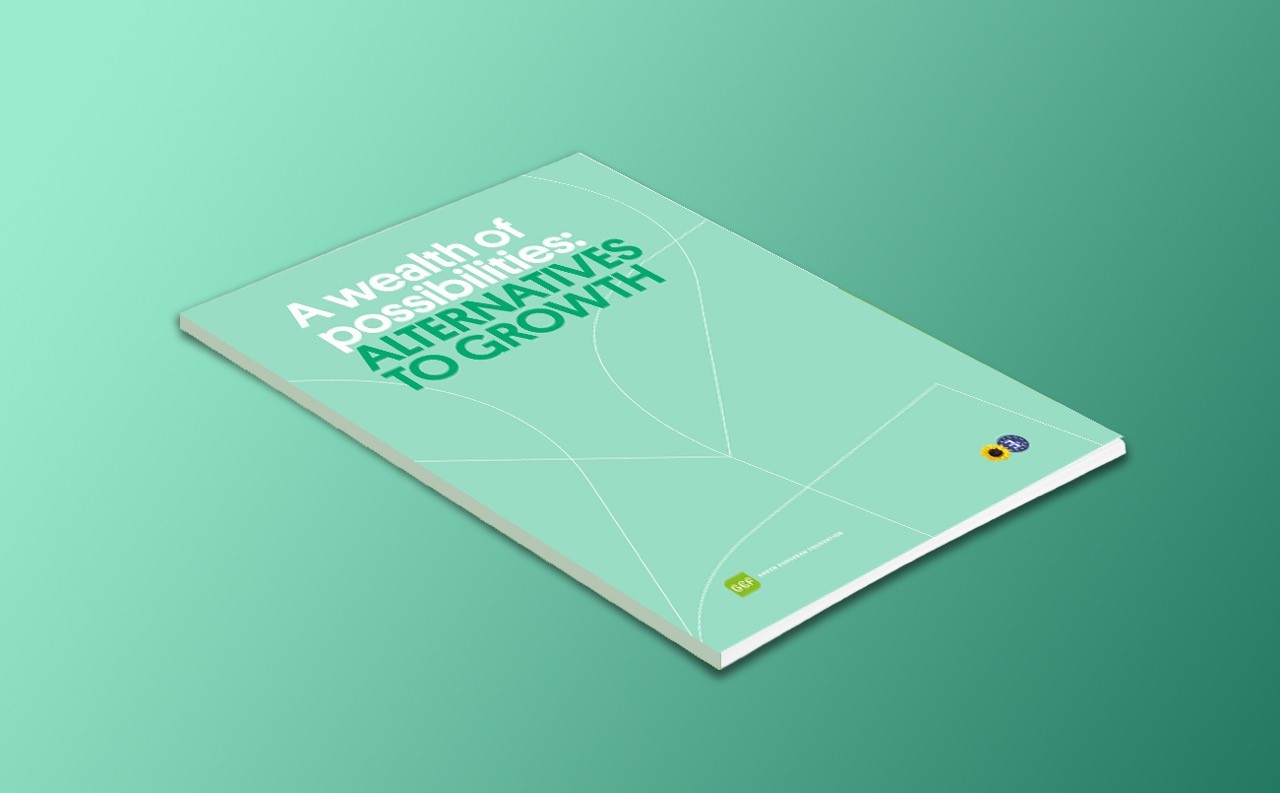
However, the long-awaited recovery has not materialised: even though the level of European GDP (Gross Domestic Product) reached its pre-crisis level in 2014, the employment rate, in spite of the educational attainment, is still dragging behind and the poverty rate has substantially risen. It is as if whenever growth materialises, it only benefits the happy few. This unambiguously testifies to the inefficiency of the usual economic recipes in the current globalised and highly connected world.

This study, commissioned by the Greens in the European Parliament and the Green European Foundation, aimed at questioning current practices and policies in six fields structuring our economic model and at investigating alternative ways that are more adapted to the current challenges by being more socially inclusive and more appropriate on climate and environmental issues. It overlooks to fields of: labour markets; the fight against inequality; tax collection; international trade’ and monetary and banking systems;

The study is not meant to provide its readers with a toolkit or a textbook to reboot our economic model so that we can distance ourselves from the growth of the Gross Domestic Product mantra and engage a fair and green transformation of the economy. Instead, it outlines priority sectors that need to be reframed in a genuinely sustainable mode.

The Role of State Aid in Creating a Green Economy

By Uncategorized

State aid rules, which govern when public authorities may grant assistance to selected undertakings, play a crucial role in determining the economic and environmental future of the EU. This report, commissioned by the Greens/EFA Group and authored by the E3G think-tank, outline a range of measures that would ensure state aid rules help Europe transition to a low-carbon and resource-efficient economy.

As Europe prepares to make major investments in areas such as energy and transport in the coming years, state aid rules that create a level playing-field for different industries and phase out damaging subsidies for fossil fuels will benefit investors and the public alike.

This publication is available to read in English or German.

Creating a Peoples’ Europe [VIDEO]

By Uncategorized

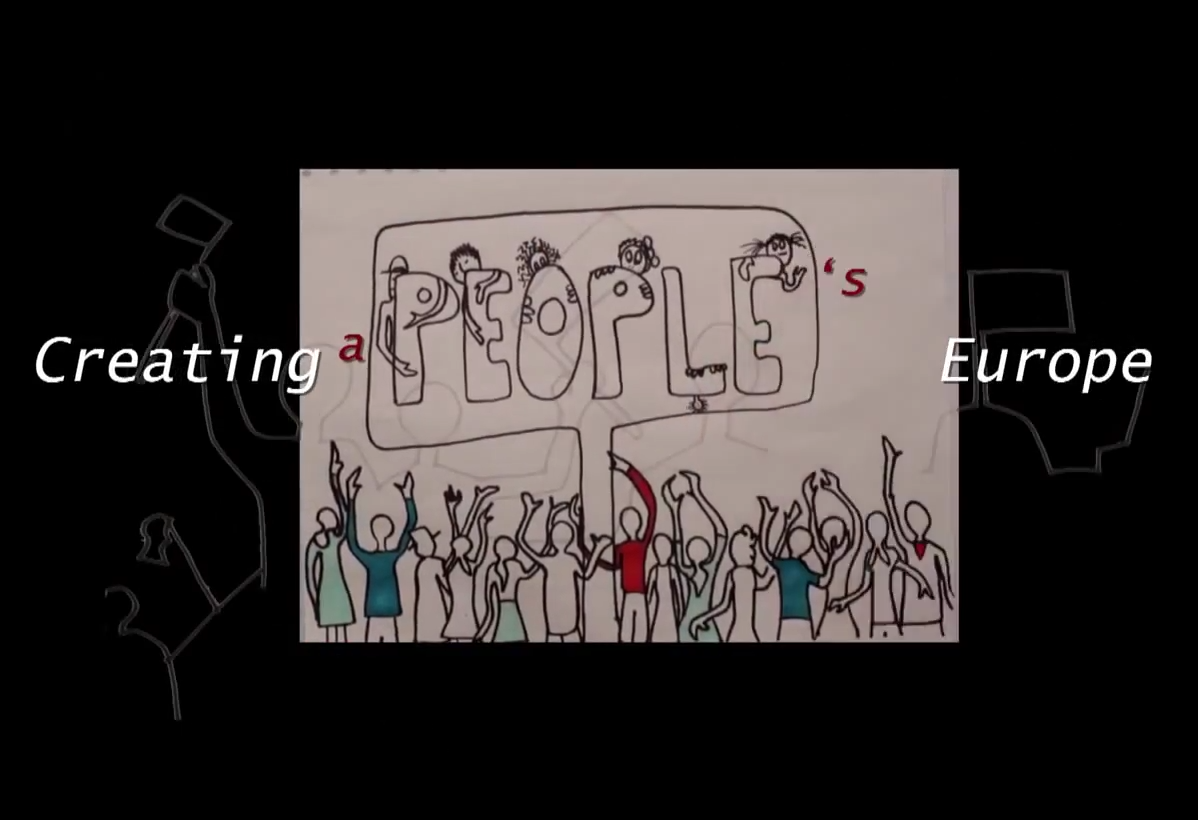
“Creating a People’s Europe” was produced and scripted by John Gormley, Irish Minister for the Environment (2007 – 2011).

The film is a project of the Green European Foundation for the Greens/EFA Group in the European Parliament. It was realised in cooperation with the Heinrich Boell Foundation and with the financial support of the European Parliament.

Subtitles available in Catalan, Czech, English, French, German, Greek, Hungarian, Polish, and Spanish.

My Data – My Choice! [VIDEO]

By Uncategorized

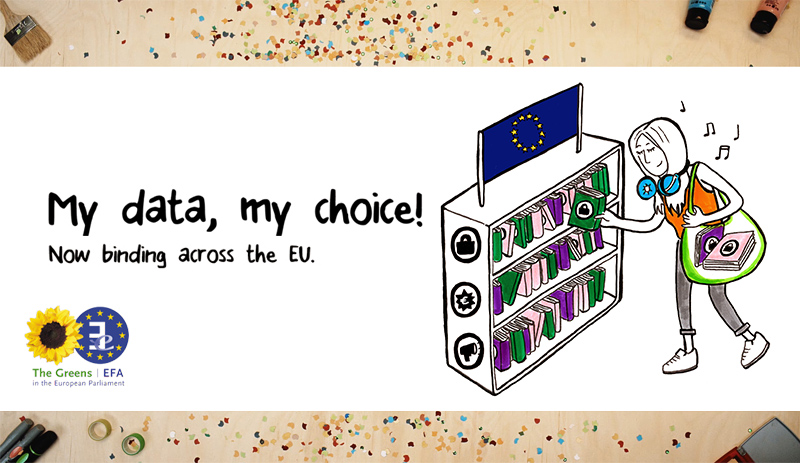
New data protection laws, contrary to the 1995 Data Protection Directive that allowed member states to individualise laws, have now been enacted across the European Union. The new data protection levels enacted will protect all 500 million EU citizens.

The new laws have been revised to protect citizens from the potential perils of the digital age; in particular for the EU Single Digital Market. New rights like data portability, principles such as data protection by design and high sanctions in the case of infringements are enshrined in the text, allowing citizens to browse the digital market freely, safely, and in knowledge of their protected rights.

GEF and The Greens/EFA have provided you with some tools: a cool educational video in English and German about what enhanced data protection laws mean for you; and a PDF outlining the study behind the reforms.

For more information you can also visit Jan Philip Albrecht’s website or see The Greens/EFA press release.

Call for participants: Test the upcoming Online Course for Green Activists

By

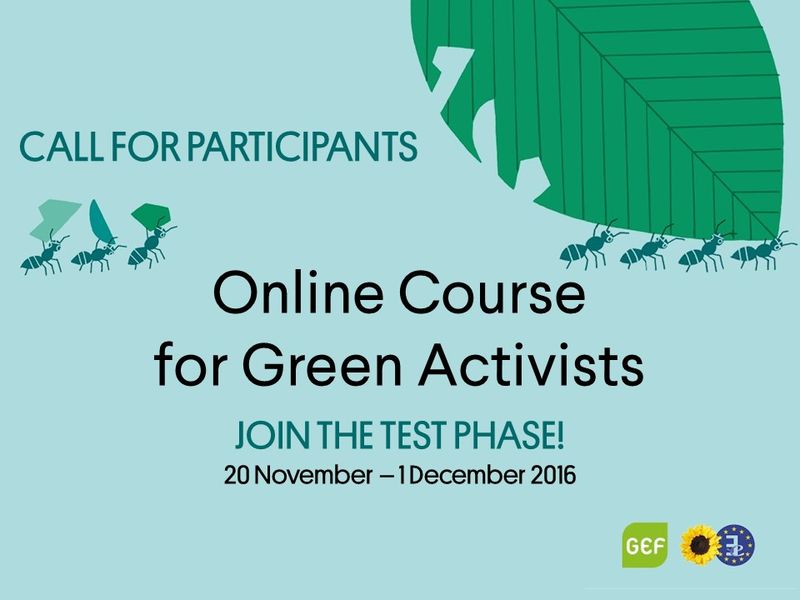
Green European Foundation, in partnership with the Greens/EFA group in the European Parliament, is developing an Online Course for Green Activists, which will be launched in January 2017. Before the official launch, we intend to test the course and its content at the current stage, in order to gather useful inputs from potential learners to be taken into account in the final phase of the course development. We invite all interested young Europeans, to join the course between the 20th of November and the 1st of December and provide us with their inputs. Deadline for registration is the 18th of November.

What is the course about?

When fully developed, this online course will serve as a stimulating learning environment which will provide participants with an understanding of the EU and its institutions, insights into Green political movement and an opportunity to discover ways to be part of a European network of activists.

Sounds great, doesn’t it?

What is your role?  

In order to proceed with the development of this course, we need your inputs! We invite you to take part in the course between the 20th of November and 1st of December with a maximum of 3 hours of learning, and provide your assessment through an online survey, which will be included as the final step in the course.

Please note that the course is open to everyone. However, its design and learning style is developed to be most suitable for younger activists aged 16 to 25.

Why do it?

By agreeing to support us as a testing participant in this course, you will have the following advantages:

  • You become part of the developing team of a great course which will benefit many young Europeans in the period to come;
  • You can meet online and network with other activists;
  • At the end of the entire testing in January, you will have gone through all the content of the course, which means that you will qualify for a diploma co-signed by the Green European Foundation and the Greens/EFA in the European Parliament.

Next steps?

We invite you to participate in the next testing session, between the 20th of November and the 1th of December. In order to register, please send an email to learning@gef.eu by the 18th of November, including your name, country and age. GEF team will provided you with an access to the course.

Green New Deal in Poland: The Social Dimension

By Uncategorized

The crisis, as well as the proposed mainstream solutions which focus on fiscal austerity exclusively, don’t come without a social cost. This is illustrated by numbers, such as 50% youth unemployment in Spain; the cost of third level education, rising by 127% in Ireland; or a horizontal 15% pensions’ cut in Romania. Notwithstanding Greece, where consecutive adjustment packages to tackle the budgetary imbalances resulted in an increase in the already high numbers of people living below the poverty line and brought about a situation of imminent collapse of basic social infrastructure, such as health care. Over the last years, we have seen unemployment and social inequality on the rise in Europe, while the standards of the European model of social protection, labour law, collective bargaining rights or working conditions have seen frequent set-backs.

In the common market  of the EU, social policy has largely remained a competence of individual Member States, despite the Treaty of Lisbon and the Europe 2020 strategy detailing social policy objectives and concrete goals related to employment and poverty eradication. It is Member States who make the major policy decisions influencing the achievement of these goals. Embedded in this context, Zielony Instytut and the Heinrich-Böll-Stiftung Warsaw office initiated this Green European Foundation publication, attempting to link the European level trends, discussions and social policy goals to a concrete national example: Poland.


Social policy trends in Poland

In Poland, the developments in social policy seem largely unaffected by the crisis. As the European Trade Union Institute in its Policy Brief 2/2012 points out, “The crisis is essentially perceived and described as resulting from external factors, and in itself there exists no reason, therefore, to call into question existing national social arrangements.” Nevertheless, Poland has also seen a significant rise in economic inequalities in the last years, with a widening gap between those being able to harvest the benefits of Poland’s steady economic growth and the growing numbers of people who are left behind and feel the fruits of transformation are not available to them. This stratification of Polish society has effects in the radicalisation of the political scene, as we witnessed during the “Independence March” on November 11, 2012. The fierce political debate over the Polish pension reform (raising retirement age to 67 years) is another example of tensions in society. The hundreds of thousands of young people who already live abroad or are considering leaving the country cannot be seen as a sustainable solution for unemployment among the young generation in Poland.  The growing number of immigrants in Poland requires better access to the social system and integration programs, in order to create an open society of equal chances.

These are among the key topics this publication tackles in an attempt to give answers to what a Green social model for Europe could be: a model that preserves 20th century achievements, but sets out to innovate for the 21st century.

We have translated two of the contributions to this publication (“Social Policy – An Introduction” by Ryszard Szarfenberg and “Social Policy – Green debates” by Bartłomiej Kozek) in English, as well. You can download these below, alongside the publication in Polish.

Icon

Social policy - an introduction 0.00 KB 37 downloads

...
No file attached
Icon

Social policy - Green debates 172.64 KB 47 downloads

...

The Guide to EU Funding on Migration and Asylum

By Uncategorized

In the absence of a common European response that treats migration as a human phenomenon and manages it as such, the task of welcoming and accommodating migrants and acting as their first personal contacts has mainly been taken on by local and regional authorities, non-governmental organisations and activists, who continue to play a key role in providing initial reception and access to services and fundamental rights for migrants and refugees. In this context, this guide builds on the idea that the best practices of how to welcome refugees and asylum seekers and work towards successful integration can be found in local communities and initiatives throughout Europe.

Therefore, the objective of this guide is to actively support the work of these local actors, organisations and institutions with a one-stop source of information on additional financial assistance offered by the EU. This guide provides a quick and easy overview of the relevant EU funding opportunities, with key information and practical inputs in regards to accessing them. Special attention is given to projects that foster integration, social inclusion and a better quality of life for migrants, refugees and asylum seekers.

A hard copy of this guide can be ordered by sending an email to: info@gef.eu

This publication as a PDF file is available for download in following versions:

GDP and regional policy

By Uncategorized

EU regional policy continues to be based solely on the Gross Domestic Product (GDP) of each region. As is now accepted by many, there are serious flaws with the concept of GDP, such as its emphasis on economic production over other factors such as social equality. However, how else can regional policy be decided, if not by the GDP of each region?

This publication comes to the conclusion that the usefulness of GDP means it will continue to play a major role in shaping EU regional policy. However, its shortcomings can be compensated for by taking into account other factors, such as health and social cohesion.

As the European Commission prepares to review regional policy for the 2014-2020 period, this publication makes the case for a more nuanced regional policy that ensures European money is put to the best possible use.

Icon

GDP and regional policy EN 3.70 MB 56 downloads

...
Icon

GDP and regional policy FR 3.44 MB 93 downloads

...

Work more? Work less? A report on working time

By Uncategorized

There are numerous reasons to assess “work” in the context of the Green New Deal. Clearly, a central goal of the sustainable transformation of our economy is to create quality green jobs. However, if we want to ensure prosperity and a decent quality of life for all, within the physical limits of our planet, old recipes will not work.

Working time could play an important role in the system change that is required. Working less is likely to improve the quality of life for all, ensuring a better balance between work and leisure or family time. By giving priority to free time over productivity and consumerism, a collective reduction of working time could promote more sustainable consumption patterns, increase community involvement, and achieve a better distribution of roles between women and men.

This publication addresses the multiple issues that are involved when considering changes to working times. It also looks at some of the challenges when considering this policy instrument. For example, what vocational training is needed to avoid skill shortage; how to finance such changes; and how flexibility should be organised at the micro and macro level in order to ensure collective as well as individual benefits? This publication aims to start a debate on what changes should be introduced to working time in Europe.

Read the publication in English here. 

Read the publication in German here.

Read the publication in French here. 

A strategy for a bio-based economy

By Uncategorized

A bio-economy is an economy that moves away from a damaging reliance on fossil fuels and instead is based on the sustainable use of natural resources. The concept is one that is growing in popularity, but it has also suffered setbacks, such as the continued controversy over the use of biofuels.

This publication is a response to the recent debate over the potential of a bio-economy. Green MEP Bas Eickhout outlines the history, the different types of bio-economy other than energy, and some of the concrete steps that the EU can take to develop a sustainable, just and regional bio-economy.

A Post-Growth Society for the 21st Century: An executive summary

By Uncategorized

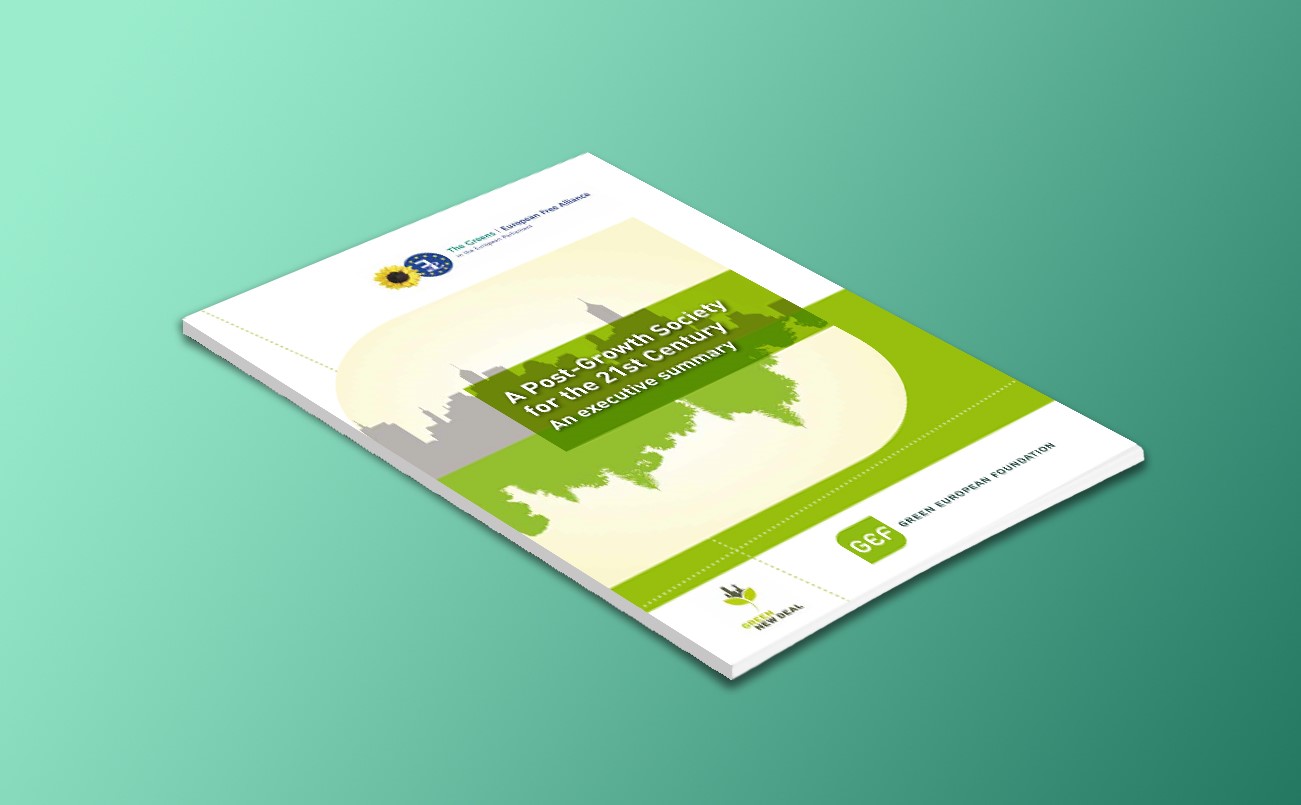
The study suggests that low growth rates are likely and that there is even fundamental uncertainty about future growth prospects. The challenge for European citizens and politicians is to accept this uncertainty and to create a society that frees itself from the shackles of looking at growth on its own – a society which focuses on other ways to ensure wellbeing and prosperity. This is what the study calls a “post-growth society”.

The key for the future is to develop a collective proposal in which the economy and society would no longer be dependent on the need for a sustained increase in GDP. Growth in GDP depends on many factors, including the extraction and use of many natural resources (e.g. oil, coal or gas). A big challenge for Europe and the world is the rapid depletion of available stocks of such resources.

Under pessimistic but plausible assumptions for the coming decades (concerning energy resources, the cost of renewable energy or lifestyle changes), growth is likely to be significantly reduced. “In a nutshell, our analysis shows that it is not so much a society’s economic growth that matters for prosperity, but rather the economic and social regime that creates more or less prosperity”, conclude the authors.